
Third-party logistics, commonly known as 3PL, has become a critical part of modern supply chains. As ecommerce continues to grow globally, businesses increasingly rely on logistics partners to manage storage, fulfillment, and shipping. Whether you run a small online store or a global ecommerce brand, understanding how 3PL works can help you reduce costs, improve delivery speed, and scale your operations efficiently.
This ultimate guide explains everything you need to know about third-party logistics, including how it works, the services it offers, the benefits, potential challenges, and how to choose the right provider.
What Is Third-Party Logistics (3PL)?
Third-party logistics refers to outsourcing logistics and supply chain operations to a specialized provider. Instead of managing warehousing, fulfillment, shipping, and inventory internally, businesses partner with a 3PL company that handles these tasks on their behalf.
A 3PL provider typically manages the movement, storage, and distribution of goods from manufacturers to customers. This allows businesses to focus on core activities such as product development, marketing, and customer experience while logistics experts handle operational tasks.
In simple terms, a 3PL company becomes the logistics backbone of a business.
How Third-Party Logistics Works
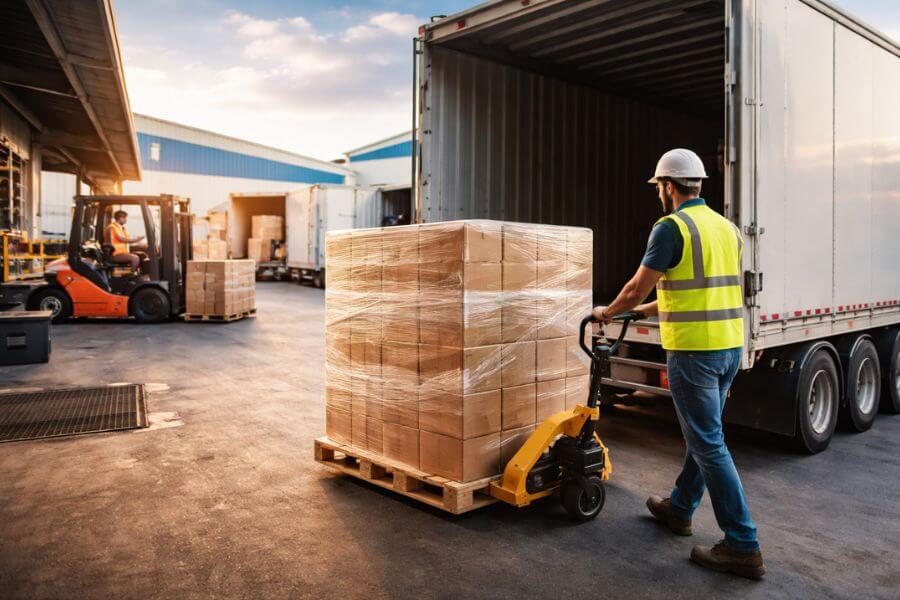
The typical 3PL workflow begins when a business sends inventory to a fulfillment center operated by the logistics provider. The provider stores the products in its warehouse and manages inventory using advanced warehouse management systems.
When a customer places an order through an ecommerce store or marketplace, the order details are automatically transmitted to the 3PL system. Warehouse staff then pick the ordered items, pack them securely, and ship them using carrier networks.
The 3PL provider also tracks shipments, manages returns, updates inventory levels, and provides real-time reporting. This automation allows businesses to process thousands of orders without managing the physical logistics themselves.
Common Services Offered by 3PL Providers
Third-party logistics companies provide a wide range of services designed to simplify supply chain management. While services vary by provider, most 3PL companies offer warehousing, inventory management, order fulfillment, shipping, and returns processing.
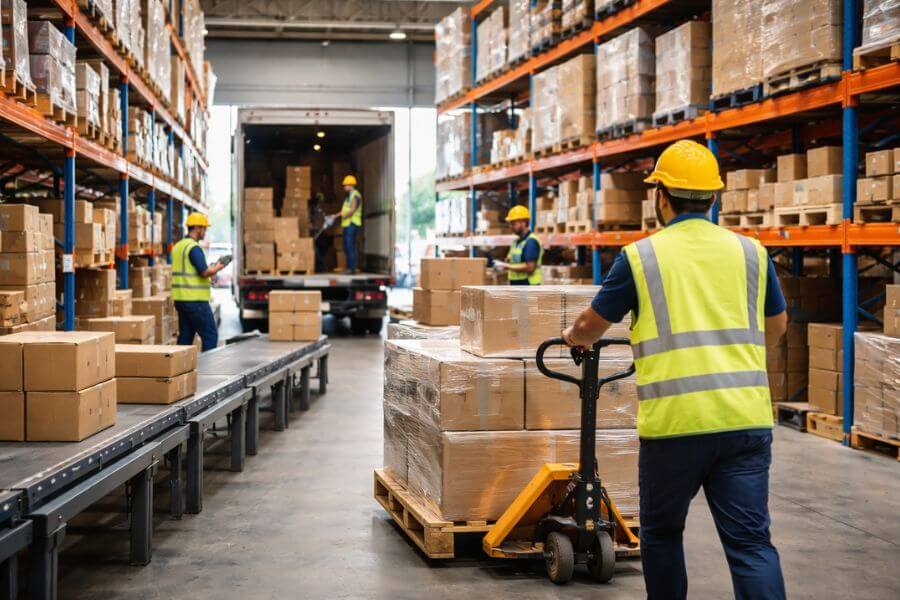
Warehousing allows businesses to store products in strategically located facilities. Inventory management systems track stock levels and ensure accurate order processing. Order fulfillment includes picking, packing, and shipping products to customers.
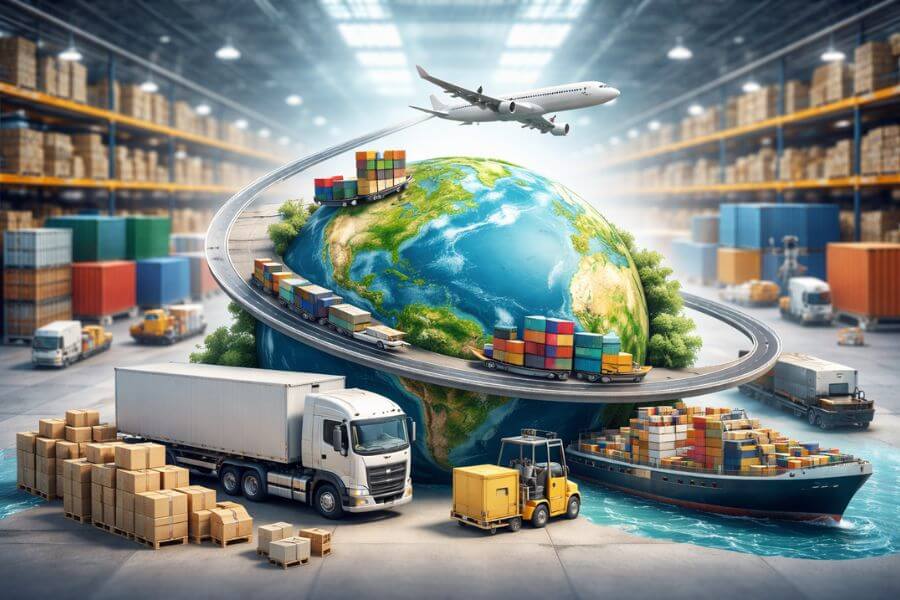
Many providers also offer freight forwarding, customs clearance, international shipping, kitting, labeling, and product assembly services. These additional services allow businesses to streamline operations and reduce complexity.
Types of Third-Party Logistics Providers
Not all 3PL providers operate the same way. Different types of providers specialize in different parts of the supply chain.
Standard 3PL providers handle basic warehousing, fulfillment, and transportation services. Service developers offer additional value such as tracking technology, inventory systems, and cross-docking capabilities.
Customer adapters integrate deeply with a company’s supply chain and manage most logistics functions. Customer developers provide the highest level of integration and essentially become a company’s outsourced logistics department.
Key Benefits of Using a 3PL Provider
Outsourcing logistics to a 3PL provider offers several advantages. One of the biggest benefits is cost efficiency. Instead of investing in warehouses, equipment, and logistics staff, businesses can leverage the infrastructure of established providers.
Another advantage is scalability. As order volumes grow during peak seasons or promotional campaigns, 3PL providers can quickly adjust capacity. This flexibility allows businesses to grow without logistical bottlenecks.
Working with logistics experts also improves shipping speed, accuracy, and operational efficiency. Many providers have established carrier relationships that lead to better shipping rates and delivery performance.
Industries That Commonly Use 3PL Services
Third-party logistics providers support a wide range of industries. Ecommerce businesses are among the most frequent users due to the need for fast and efficient order fulfillment.
Retail companies also rely on 3PL providers to distribute products to stores and customers. Manufacturers use them to manage inbound logistics and distribution networks.
Other industries that commonly use 3PL services include healthcare, consumer electronics, beauty products, apparel, automotive parts, and food distribution. Any business that moves physical goods can benefit from outsourced logistics.
Technology Used by Modern 3PL Providers
Technology plays a central role in modern logistics operations. Most 3PL providers use warehouse management systems that track inventory in real time and optimize storage locations.
Order management systems integrate with ecommerce platforms and marketplaces, automatically routing orders to warehouses for fulfillment. Transportation management systems help plan efficient shipping routes and carrier selection.
Many providers also offer dashboards that provide visibility into inventory levels, order status, shipping performance, and fulfillment metrics.
Potential Challenges of Working with 3PL Providers
Although 3PL services provide many advantages, businesses should also consider potential challenges. One challenge is reduced direct control over fulfillment operations.
Communication issues may occur if service expectations are not clearly defined. Integration between ecommerce platforms and logistics systems can also require technical setup.
Additionally, costs may increase if order volumes fluctuate dramatically or if additional services such as kitting or special packaging are required.
How to Choose the Right 3PL Provider
Selecting the right third-party logistics provider is a critical decision. Businesses should evaluate providers based on their warehouse locations, technology capabilities, fulfillment accuracy, and industry experience.
Scalability is another important factor. The provider should be able to support future growth and seasonal demand increases.
Businesses should also review service level agreements, pricing structures, customer support quality, and integration compatibility with ecommerce platforms. A reliable 3PL partner should align with long-term business goals.
When Businesses Should Consider Using a 3PL
Companies often turn to 3PL providers when logistics operations become too complex to manage internally. This usually occurs when order volumes increase, international shipping expands, or warehouse capacity becomes limited.
Startups may use 3PL services to avoid large infrastructure investments, while established companies use them to optimize supply chain efficiency and reach new markets.
Ultimately, a 3PL provider allows businesses to focus on growth while logistics professionals manage fulfillment and transportation.
The Future of Third-Party Logistics
The future of third-party logistics is shaped by automation, artificial intelligence, and advanced supply chain analytics. Robotics and automated picking systems are improving warehouse efficiency.
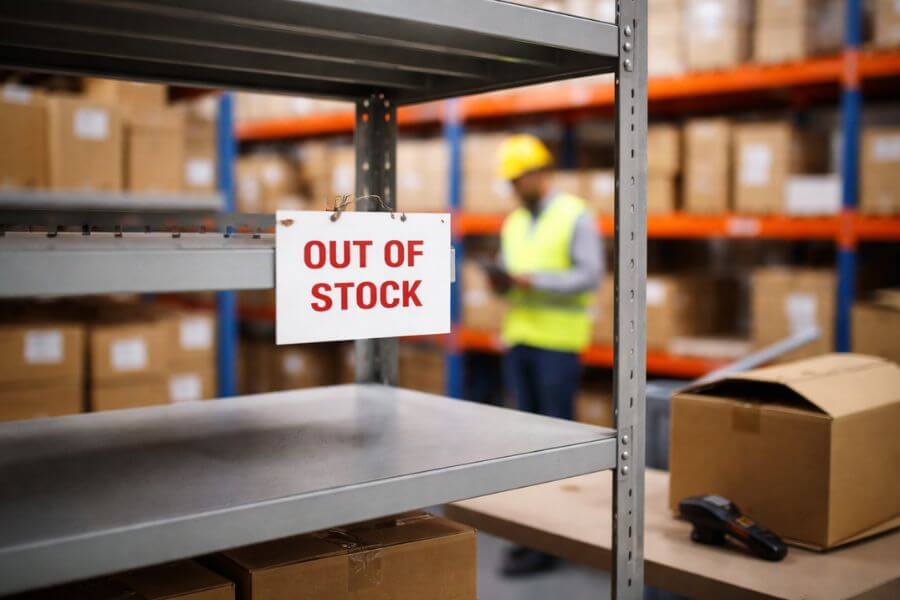
Real-time data analytics allows businesses to forecast demand more accurately and reduce stockouts. Faster shipping expectations are also driving the expansion of distributed fulfillment networks.
As ecommerce continues to grow, third-party logistics providers will play an even larger role in helping businesses deliver products quickly and efficiently worldwide.
Conclusion
Third-party logistics providers are an essential part of the modern supply chain. By outsourcing warehousing, fulfillment, and shipping operations to specialized experts, businesses can improve efficiency, reduce costs, and scale operations with greater flexibility.
Understanding how 3PL works and choosing the right logistics partner can significantly impact customer satisfaction and long-term business success.
Frequently Asked Questions About Third-Party Logistics
What does a 3PL company do?
A 3PL company manages logistics operations for businesses. This typically includes warehousing, inventory management, order fulfillment, shipping, and returns handling. By outsourcing these tasks, companies can focus on sales, marketing, and product development while the logistics provider handles storage and distribution.
How is 3PL different from traditional logistics?
Traditional logistics is managed internally by a company using its own warehouses and transportation resources. Third-party logistics involves outsourcing these operations to an external provider that specializes in managing supply chains and fulfillment processes for multiple businesses.
What types of businesses use 3PL services?
Many industries use 3PL services, including ecommerce retailers, manufacturers, wholesalers, healthcare companies, and consumer goods brands. Any business that stores, manages, and ships physical products can benefit from outsourcing logistics to a professional provider.
Is using a 3PL cost-effective?
Using a 3PL can reduce logistics costs by eliminating the need for warehouses, equipment, and fulfillment staff. Providers also negotiate better carrier rates due to higher shipping volumes. However, total costs depend on order volume, services required, and the pricing structure of the provider.
What is the difference between 3PL and 4PL?
A 3PL provider handles logistics operations such as warehousing and transportation. A 4PL provider manages the entire supply chain strategy and often coordinates multiple logistics providers. In simple terms, a 4PL acts as a supply chain manager while 3PL companies perform operational tasks.
How do 3PL providers handle inventory management?
Most 3PL providers use warehouse management systems to track inventory levels in real time. These systems record incoming shipments, monitor stock quantities, and update inventory after orders are fulfilled, helping businesses maintain accurate stock visibility.
Can 3PL providers support international shipping?
Yes, many 3PL providers support international shipping. They often manage customs documentation, freight forwarding, and international carrier coordination. This allows businesses to sell products globally without needing to manage complex international logistics processes themselves.
How long does it take to integrate with a 3PL provider?
Integration timelines vary depending on the ecommerce platform and the provider’s technology. Some integrations take only a few days while more complex systems may require several weeks for testing, configuration, and inventory onboarding.
Do 3PL companies handle product returns?
Many 3PL providers offer reverse logistics services. This includes receiving returned items, inspecting products, restocking sellable inventory, and processing disposal or refurbishment when necessary. Efficient returns management helps improve customer satisfaction and reduce operational workload.
How do businesses choose the best 3PL provider?
Businesses should evaluate warehouse locations, technology systems, pricing models, fulfillment accuracy, scalability, and customer support. Selecting a provider with experience in your industry and strong integration capabilities can help ensure smooth logistics operations and long-term partnership success.