Supply chain management is the backbone of modern commerce. Every product you buy has traveled through a complex network of suppliers, manufacturers, warehouses, and transportation systems before reaching you. From raw materials to final delivery, the supply chain coordinates the movement of goods, information, and finances across multiple stages.
Whether you run an ecommerce store, manage a warehouse, or simply want to understand how global trade works, learning about supply chains is essential. A well-managed supply chain reduces costs, improves efficiency, and ensures customers receive products quickly and reliably.
In this ultimate guide, we will explore what a supply chain is, how it works, the main components involved, common challenges, and strategies companies use to optimize their operations.
What Is a Supply Chain?
A supply chain is the entire system involved in producing and delivering a product or service. It includes all the people, organizations, resources, activities, and technology required to move a product from raw material to the final customer.
The supply chain typically begins with sourcing raw materials and ends with delivering finished products to consumers. Between these stages are manufacturing, warehousing, inventory management, and transportation.
Companies rely on efficient supply chains to stay competitive. When operations run smoothly, businesses can reduce costs, improve delivery speed, and maintain high customer satisfaction.
Why Supply Chains Are Important
Supply chains play a critical role in the global economy. Nearly every industry relies on supply chains to move products across cities, countries, and continents. Without organized logistics systems, businesses would struggle to produce and distribute goods efficiently.
A strong supply chain offers several benefits. It improves operational efficiency, reduces production costs, ensures consistent product availability, and enhances customer experience through faster deliveries.
For ecommerce businesses, especially, supply chain performance can directly impact brand reputation and profitability.
Key Components of a Supply Chain
Suppliers
Suppliers provide the raw materials or components needed to create products. These materials can include metals, fabrics, electronic parts, packaging materials, or any resources required for manufacturing.
Reliable suppliers are essential because delays or shortages at this stage can disrupt the entire supply chain.
Manufacturing
Manufacturing is the stage where raw materials are transformed into finished goods. This process can involve assembly lines, factories, automated systems, or specialized production facilities.
Efficient manufacturing reduces production costs and improves product quality.
Warehousing
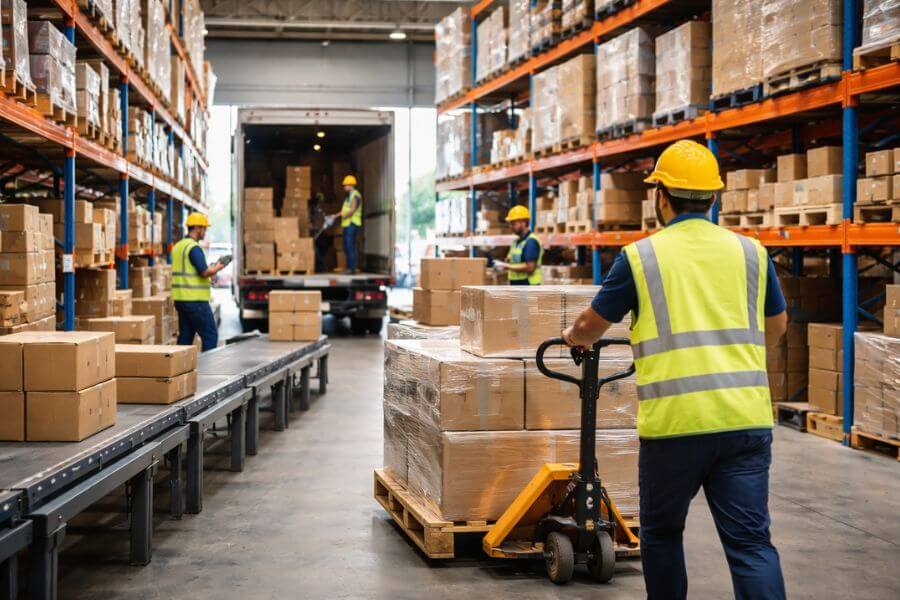
Warehouses store inventory before it is distributed to customers or retailers. Warehousing helps businesses manage stock levels, organize products, and prepare orders for shipment.
Modern warehouses often use automation, robotics, and inventory software to increase efficiency.
Transportation
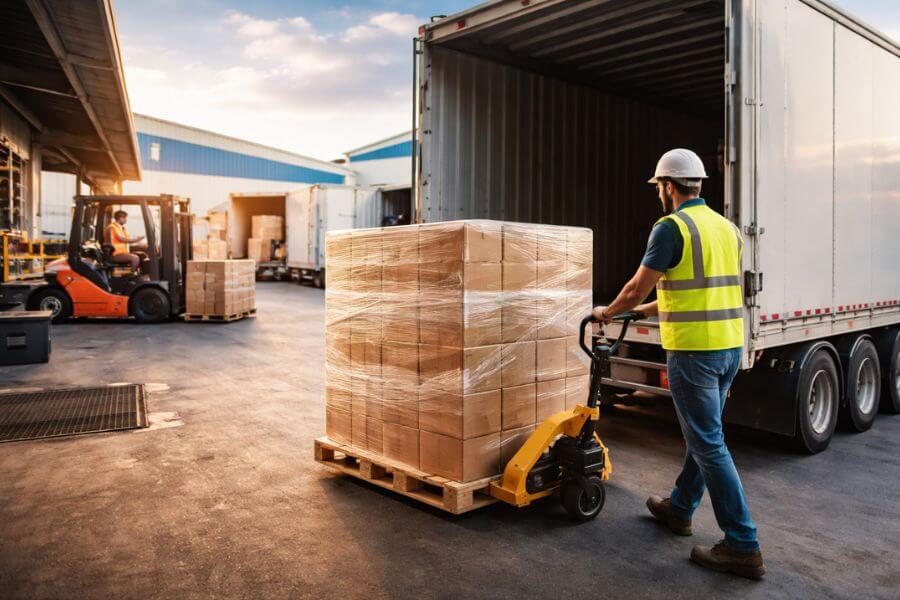
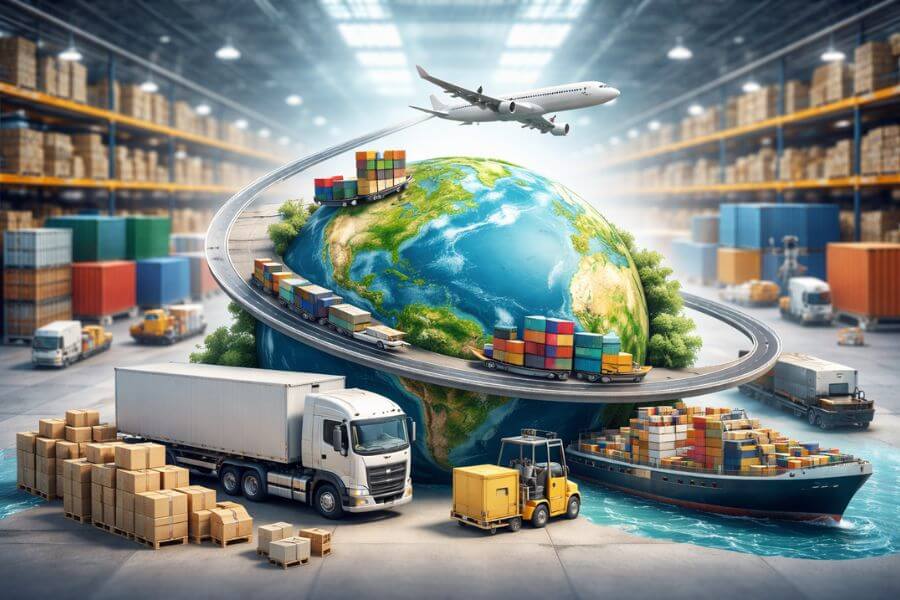
Transportation moves goods between different stages of the supply chain. Products may travel by trucks, ships, trains, or airplanes, depending on distance, cost, and urgency.
Transportation is one of the most significant cost factors in supply chain operations.
Distribution
Distribution involves delivering products to retailers, businesses, or consumers. This stage often includes fulfillment centers, last-mile delivery services, and logistics providers that coordinate shipments.
Effective distribution ensures products reach customers quickly and safely.
How Supply Chains Work
Supply chains operate as interconnected systems where each stage depends on the previous one. The process begins when companies forecast demand and plan production. Based on these forecasts, businesses source materials from suppliers and begin manufacturing products.
After production, goods are stored in warehouses until orders are placed. Once customers purchase products, the fulfillment process begins. Items are picked, packed, and shipped through logistics networks until they reach the final destination.
Throughout this process, data and communication play an essential role. Businesses use software systems to track inventory levels, shipment locations, and demand patterns.
Types of Supply Chains
Traditional Supply Chain
Traditional supply chains follow a linear model where goods move from suppliers to manufacturers, then to warehouses, retailers, and finally customers.
Digital Supply Chain
Digital supply chains use technology such as automation, data analytics, and cloud systems to improve visibility and decision-making across operations.
Lean Supply Chain
Lean supply chains focus on eliminating waste, reducing excess inventory, and improving efficiency throughout the entire process.
Agile Supply Chain
Agile supply chains are designed to respond quickly to changes in demand or market conditions. They prioritize flexibility and rapid decision-making.
Common Supply Chain Challenges
Demand Forecasting Errors
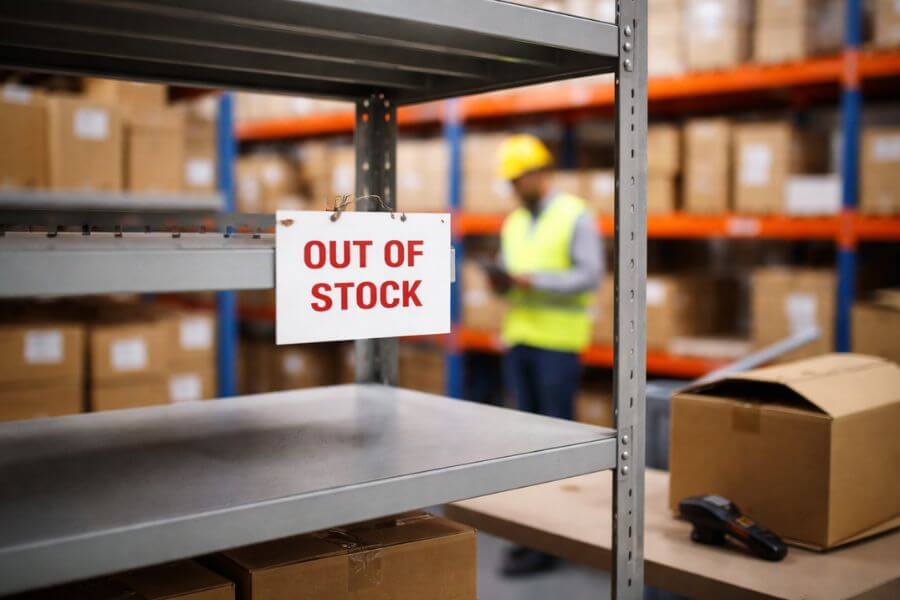
Predicting customer demand is difficult. Overestimating demand can lead to excess inventory, while underestimating it can result in stockouts and lost sales.
Supply Disruptions
Natural disasters, geopolitical conflicts, and supplier failures can interrupt the flow of goods and materials.
Transportation Delays
Shipping delays caused by port congestion, weather conditions, or customs clearance issues can slow down deliveries.
Inventory Management Problems
Poor inventory planning can create overstock situations or shortages that impact sales and operational costs.
Technology in Modern Supply Chains
Technology has transformed supply chain operations in recent years. Businesses now rely on digital tools to improve efficiency, accuracy, and visibility.
Common technologies used in supply chains include warehouse management systems, transportation management systems, real-time tracking tools, and inventory optimization software.
Automation and robotics are also becoming more common in warehouses, helping companies process orders faster while reducing labor costs.
Strategies to Improve Supply Chain Efficiency
Improve Demand Forecasting
Using historical data and predictive analytics helps businesses estimate demand more accurately.
Strengthen Supplier Relationships
Strong partnerships with suppliers reduce risks and ensure consistent material availability.
Optimize Inventory Levels
Maintaining the right balance between supply and demand helps prevent stockouts and excess inventory.
Invest in Technology
Digital tools provide better visibility and automation across operations.
Use Multiple Transportation Options
Diversifying transportation methods can reduce delays and increase flexibility.
The Future of Supply Chains
Supply chains are becoming more advanced and data-driven. Businesses are investing heavily in automation, artificial intelligence, and predictive analytics to improve efficiency.
Sustainability is also becoming a priority. Companies are exploring ways to reduce emissions, minimize waste, and design environmentally responsible logistics networks.
As global commerce continues to expand, supply chain management will remain one of the most important factors determining business success.
Conclusion
Supply chains connect the entire journey of a product from raw materials to final delivery. They involve multiple stages, including sourcing, manufacturing, warehousing, transportation, and distribution.
Understanding how supply chains work helps businesses improve efficiency, reduce costs, and deliver better customer experiences. With the right strategies and technology, companies can build resilient supply chains that adapt to changing markets and growing demand.
Frequently Asked Questions
What is a supply chain?
A supply chain is the complete network involved in producing and delivering a product to customers. It includes suppliers, manufacturers, warehouses, transportation providers, and retailers working together to move goods from raw materials to the final consumer efficiently and reliably across different stages of production and distribution.
What is supply chain management?
Supply chain management is the process of planning, coordinating, and controlling all activities involved in sourcing materials, producing goods, storing inventory, and delivering products to customers. Its goal is to improve efficiency, reduce costs, and ensure products are available when and where customers need them.
What are the main stages of a supply chain?
The main stages of a supply chain include sourcing raw materials, manufacturing products, storing inventory in warehouses, transporting goods between locations, and distributing finished products to retailers or consumers. Each stage works together to ensure smooth product movement from production to final delivery.
What is the difference between logistics and supply chain?
Logistics is one part of the supply chain that focuses specifically on storing, transporting, and delivering goods. The supply chain is broader and includes additional activities such as sourcing raw materials, manufacturing products, managing suppliers, and coordinating the entire flow of goods and information.
Why is supply chain management important?
Supply chain management is important because it improves efficiency, reduces operational costs, and ensures products are delivered to customers on time. A well-managed supply chain helps businesses maintain product availability, increase customer satisfaction, and remain competitive in fast-changing global markets.
What causes supply chain disruptions?
Supply chain disruptions can occur due to natural disasters, transportation delays, supplier failures, geopolitical events, labor shortages, or sudden changes in customer demand. These disruptions can slow production, delay deliveries, and increase operational costs for businesses across many industries.
What technologies are used in supply chains?
Modern supply chains use technologies such as warehouse management systems, transportation management systems, inventory tracking software, automation tools, and data analytics platforms. These technologies help businesses monitor inventory levels, track shipments, improve forecasting accuracy, and streamline operations.
What is a global supply chain?
A global supply chain involves sourcing materials, manufacturing products, and distributing goods across multiple countries. Companies often use international suppliers and transportation networks to reduce costs and reach global markets, which requires careful coordination of logistics, regulations, and customs processes.
What is supply chain visibility?
Supply chain visibility refers to the ability to track and monitor products, shipments, and inventory throughout the entire supply chain. With better visibility, businesses can identify delays, improve forecasting, and make faster decisions to keep operations running smoothly.
How can companies improve their supply chains?
Companies can improve supply chains by strengthening supplier relationships, investing in digital technology, optimizing inventory management, improving demand forecasting, and diversifying transportation methods. These strategies increase efficiency, reduce risks, and ensure products move smoothly through each stage of the supply chain.