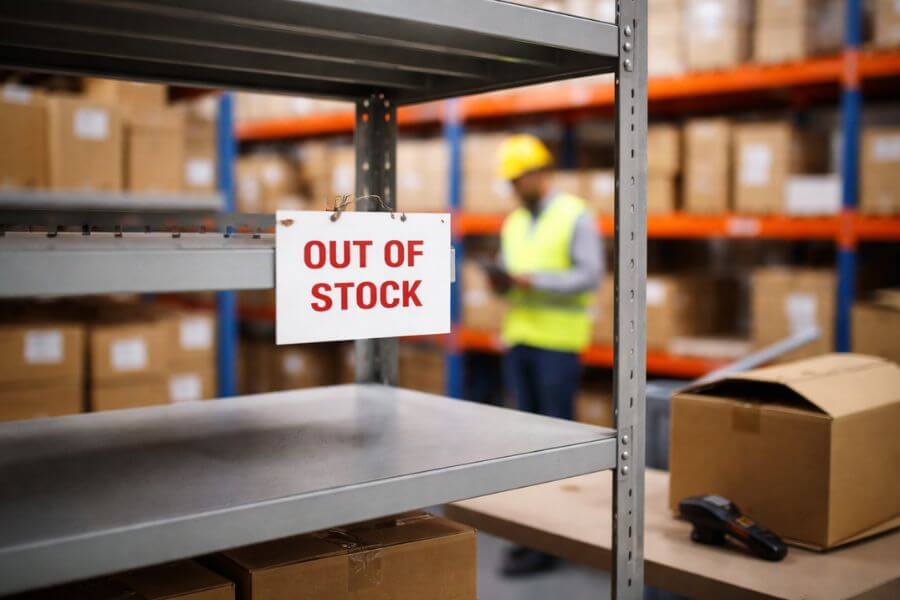
A stockout is one of the most frustrating situations in retail, ecommerce, and supply chain management. When a product that customers want is unavailable, businesses risk losing sales, damaging customer trust, and even driving shoppers to competitors. Whether you run an online store, manage warehouse inventory, or operate a global fulfillment network, understanding stockouts is essential.
This ultimate guide explains what stockouts are, why they happen, their impact on businesses, and the best strategies to prevent them. By the end, you will have a clear understanding of how to manage inventory more effectively and keep products available when customers need them.
What Is a Stockout?
A stockout occurs when a product is completely unavailable for purchase because the inventory has run out. In other words, demand exists, but supply is temporarily exhausted. Stockouts can happen in physical retail stores, ecommerce websites, warehouses, or distribution centers.
For example, if a customer visits your online store and sees “out of stock” next to a product they want to buy, that is a stockout. This usually means that inventory levels dropped to zero before new stock arrived.
While occasional stockouts may seem harmless, frequent stockouts can significantly hurt business performance and customer loyalty.
Why Stockouts Matter
Stockouts are more than just a temporary inconvenience. They can create a chain reaction that affects sales, customer satisfaction, and brand reputation.
When customers cannot find the product they want, they may abandon the purchase entirely or buy from a competitor. This not only leads to lost revenue but may also reduce future repeat purchases. Over time, repeated stockouts can damage trust and reliability.
For ecommerce businesses and fulfillment providers, avoiding stockouts is critical to maintaining efficient operations and a strong customer experience.
Common Causes of Stockouts
Inaccurate Inventory Tracking
One of the most common causes of stockouts is poor inventory visibility. When businesses rely on manual tracking or outdated systems, inventory records can become inaccurate. This leads to situations where the system shows stock available even though the warehouse shelves are empty.
Unexpected Demand Surges
Sometimes demand suddenly increases beyond expectations. Seasonal spikes, viral marketing, or social media trends can cause products to sell faster than anticipated. Without proper forecasting and buffer stock, businesses can quickly run out of inventory.
Supplier Delays
Many businesses rely on suppliers and manufacturers to replenish inventory. If a supplier experiences production delays, shipping disruptions, or logistical problems, the supply chain slows down. This delay can result in inventory running out before new stock arrives.
Poor Demand Forecasting
Forecasting errors can lead to insufficient inventory levels. If demand predictions underestimate customer interest, businesses may order too little stock. As sales increase, the limited supply quickly disappears.
Warehouse or Fulfillment Errors
Operational mistakes inside warehouses can also cause stockouts. Picking errors, misplaced products, or incorrect stock counts can create discrepancies between recorded and actual inventory levels.
The Impact of Stockouts on Businesses
Lost Sales Revenue
The most immediate consequence of a stockout is lost revenue. Customers who cannot buy a product will either postpone the purchase or buy from another retailer. Each missed sale directly affects a company’s bottom line.
Customer Dissatisfaction
Customers expect products to be available when they are ready to purchase. Frequent stockouts can lead to frustration and disappointment, especially if the product was heavily promoted or advertised.
Reduced Customer Loyalty
If customers repeatedly encounter stockouts, they may start looking for alternative brands or stores that consistently have inventory available. Over time, this can weaken long-term customer relationships.
Operational Inefficiencies
Stockouts often create additional workload for customer service teams and operations staff. Employees may need to respond to customer complaints, process refunds, or manage backorders.
How to Prevent Stockouts
Improve Inventory Visibility
Accurate inventory tracking is essential for preventing stockouts. Businesses should use modern inventory management systems that provide real-time visibility into stock levels across warehouses, stores, and fulfillment centers.
Use Data-Driven Demand Forecasting
Historical sales data, seasonal trends, and market insights can help businesses predict future demand more accurately. Advanced forecasting tools can identify patterns and help companies prepare inventory before demand spikes occur.
Maintain Safety Stock
Safety stock is extra inventory kept on hand to absorb unexpected demand or supply disruptions. Maintaining a small buffer can significantly reduce the risk of stockouts during uncertain periods.
Strengthen Supplier Relationships
Working closely with reliable suppliers helps ensure consistent product availability. Businesses should communicate demand forecasts with suppliers and maintain backup suppliers when possible.
Automate Inventory Reordering
Automated replenishment systems can trigger purchase orders when inventory reaches predefined reorder points. This ensures new stock is ordered before existing inventory runs out.
Stockouts vs Overstocking
While stockouts create lost sales, overstocking leads to excess inventory that ties up capital and storage space. The goal of effective inventory management is to balance these two risks.
Businesses must carefully analyze demand patterns and adjust reorder levels to maintain optimal inventory levels. Achieving this balance improves profitability and operational efficiency.
The Role of Technology in Preventing Stockouts
Modern supply chain technology plays a major role in reducing stockouts. Inventory management platforms, warehouse management systems, and predictive analytics tools allow businesses to track stock levels in real time.
These systems also integrate with ecommerce platforms and fulfillment networks, enabling automatic updates across multiple sales channels. As a result, businesses can respond quickly to demand changes and avoid unexpected shortages.
Final Thoughts
Stockouts are a common challenge in retail, ecommerce, and supply chain operations. While they may seem unavoidable at times, most stockouts occur due to preventable issues such as inaccurate inventory tracking, poor forecasting, or supply chain disruptions.
By investing in better inventory systems, maintaining safety stock, and improving demand forecasting, businesses can significantly reduce the risk of stockouts. In today’s competitive market, keeping products available when customers want them is one of the most important factors for maintaining sales and building long-term customer loyalty.
Frequently Asked Questions
What does stockout mean in inventory management?
A stockout occurs when inventory for a product reaches zero, and customers can no longer purchase it. This happens when demand exceeds available supply. Stockouts typically occur due to forecasting errors, supply delays, or poor inventory management systems that fail to track real-time stock levels accurately.
Why are stockouts bad for businesses?
Stockouts lead to lost sales, dissatisfied customers, and potential damage to brand reputation. When customers cannot buy a product, many will turn to competitors. Frequent stockouts can also reduce long-term customer loyalty and make a business appear unreliable.
What causes stockouts most often?
The most common causes include inaccurate inventory tracking, sudden demand spikes, supplier delays, poor forecasting, and warehouse errors. These issues prevent businesses from maintaining enough stock to meet customer demand.
What is safety stock and how does it help?
Safety stock is extra inventory kept as a buffer against unexpected demand or supply chain disruptions. It helps businesses continue selling products even if shipments are delayed or demand increases unexpectedly.
How can ecommerce stores prevent stockouts?
Ecommerce stores can prevent stockouts by using real-time inventory systems, forecasting demand accurately, setting reorder points, and maintaining safety stock. Integration between ecommerce platforms and warehouse systems also helps keep stock levels synchronized.
What is the difference between stockout and backorder?
A stockout means a product is unavailable for purchase because inventory is zero. A backorder allows customers to place orders even though inventory is temporarily unavailable. The order is fulfilled later when new stock arrives.
How do stockouts affect customer loyalty?
Repeated stockouts frustrate customers and reduce trust in a brand. When shoppers consistently find products unavailable, they may switch to competitors that offer better availability. Reliable inventory management helps maintain customer confidence.
Can technology help reduce stockouts?
Yes, modern inventory and warehouse management systems provide real-time stock visibility, automated replenishment, and demand forecasting tools. These technologies help businesses monitor inventory levels and reorder products before shortages occur.
What industries experience stockouts the most?
Stockouts are common in retail, ecommerce, manufacturing, and consumer goods industries. Businesses that deal with seasonal demand, fast-moving products, or complex supply chains are especially vulnerable to inventory shortages.
How can businesses recover after a stockout?
Businesses can recover by restocking quickly, communicating transparently with customers, and offering alternatives or backorders. Analyzing the cause of the stockout also helps prevent similar issues from happening again in the future.