If you run an ecommerce business or plan to start one, you will quickly realize that shipping is one of the most important parts of your operations. One term you will often hear is shipping zone. Understanding shipping zones can help you calculate costs, set customer expectations, and improve your overall logistics strategy.
A shipping zone is simply a geographic area used by carriers to determine shipping rates and delivery times. The farther your package travels, the higher the shipping zone, and usually the higher the cost. Whether you ship locally or internationally, knowing how shipping zones work can help you make smarter decisions and avoid unexpected expenses.
In this guide, you will learn what shipping zones are, how they work, why they matter, and how you can use them to improve your fulfillment strategy.
What Is a Shipping Zone?
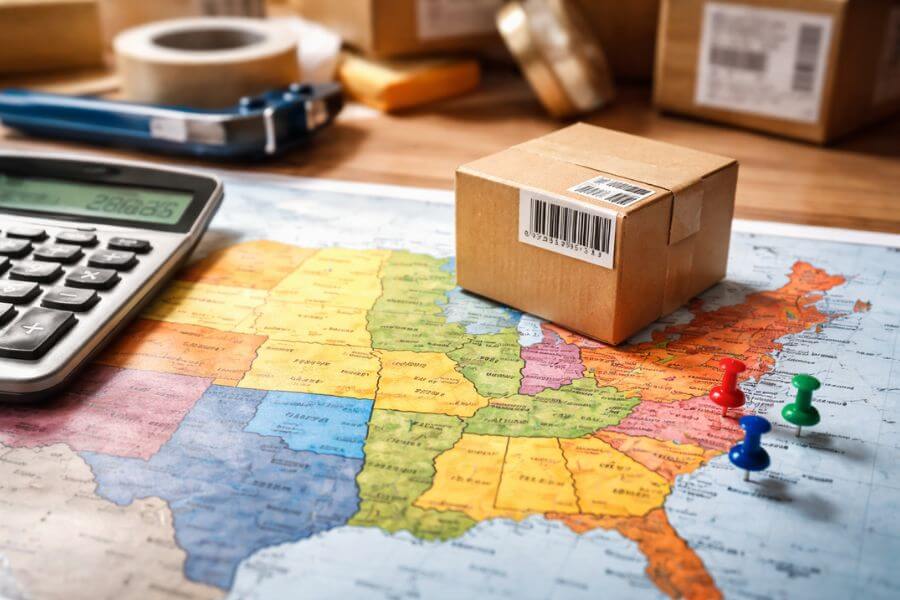
A shipping zone is a region that a carrier defines based on the distance between the package origin and the destination. Instead of calculating distance by miles or kilometers, carriers divide areas into numbered zones.
For example, if you ship a package from Los Angeles to San Diego, the shipment may fall into Zone 2 because the distance is short. But if you ship from Los Angeles to New York, that shipment may fall into Zone 8 because it crosses the country.
Shipping zones are not fixed by city or state borders. Instead, they are calculated based on the distance from the shipping origin zip code or postal code to the destination code.
Most carriers organize zones like this:
- Zone 1 to 2: Local or nearby deliveries
- Zone 3 to 5: Regional shipments
- Zone 6 to 8: Long-distance domestic shipments
- International zones: Global shipments based on country groups
Why Shipping Zones Matter
Shipping zones directly affect how much you pay for shipping and how fast your customers receive their orders. The higher the zone number, the more expensive and slower the shipment usually becomes.
Shipping zones matter because they impact:
- Shipping costs because longer distances cost more
- Delivery times since packages traveling farther take longer
- Customer satisfaction because fast delivery improves the experience
- Profit margins since shipping expenses affect your bottom line
- Warehouse strategy if you use multiple fulfillment locations
If you understand shipping zones, you can create better pricing strategies and reduce unnecessary costs.
How Carriers Calculate Shipping Zones
Carriers use the origin postal code and the destination postal code to determine the shipping zone. They use internal zone charts or digital tools to assign a zone number to each shipment.
The process usually looks like this:
- You enter the shipping origin zip code
- You enter the delivery zip code
- The carrier checks the distance between the two locations
- The system assigns a shipping zone
- The shipping rate is calculated based on zone, weight, and dimensions
Other factors that may influence the final cost include:
- Package weight
- Package size
- Shipping speed
- Fuel surcharges
- Residential delivery fees
This is why two packages going to different states may have very different shipping costs even if they weigh the same.
Domestic vs International Shipping Zones
Domestic shipping zones usually follow a simple numbered structure based on distance. International shipping zones are more complex because they group countries based on logistics networks, customs requirements, and transportation costs.
Domestic shipping zones typically:
- Use numeric systems such as Zone 2 through Zone 8
- Focus on the distance within one country
- Have predictable pricing structures
International shipping zones often:
- Group countries into pricing regions
- Consider the customs complexity
- Include import taxes and duties
- Depend on air or ocean freight routes
If you sell globally, understanding international shipping zones is especially important because costs can vary significantly depending on the destination country.
How Ecommerce Businesses Use Shipping Zones
Ecommerce companies use shipping zones to build shipping strategies that balance cost and speed. Instead of using one flat shipping rate, many businesses create zone-based pricing.
Common ways businesses use shipping zones include:
- Zone-based pricing: Charging different shipping fees based on location
- Free shipping thresholds: Offering free shipping only in certain zones
- Regional fulfillment: Using multiple warehouses to reduce zones
- Delivery promises: Setting accurate delivery time estimates
- Carrier selection: Choosing the best carrier for each zone
For example, if you operate warehouses on both the East Coast and West Coast, you can reduce the average shipping zone for your customers. This can lower costs and speed up deliveries.
How Multiple Warehouses Reduce Shipping Zones
Many growing ecommerce businesses use multiple fulfillment centers to reduce shipping zones. This strategy is often called distributed fulfillment.
Instead of shipping every order from one location, orders are shipped from the closest warehouse to the customer.
This approach offers several advantages:
- Lower shipping costs
- Faster delivery speeds
- Reduced risk of delays
- Better customer experience
- Lower shipping zone averages
For example, if your only warehouse is in California, most East Coast orders will fall into higher zones. But if you add a warehouse in New Jersey, many orders will move into lower zones.
This is why many ecommerce brands work with third-party logistics providers to access warehouse networks.
Common Mistakes Businesses Make With Shipping Zones
Many businesses overlook shipping zones when planning their logistics strategy. This can lead to unnecessary costs and operational problems.
Common mistakes include:
- Ignoring the zone impact on margins which can reduce profitability
- Using flat rate shipping incorrectly which can cause losses on long-distance orders
- Not analyzing customer locations which prevents smart warehouse placement
- Choosing the wrong carrier for certain regions
- Not negotiating rates based on shipping volume
A simple improvement is to review where most of your customers live. If most orders come from one region, placing inventory closer to that region can reduce your shipping zones.
Tips to Optimize Your Shipping Zone Strategy
If you want to improve your logistics performance, you should actively manage your shipping zone strategy. Even small improvements can reduce costs and improve delivery performance.
Here are practical tips you can apply:
- Analyze your order destination data regularly
- Consider multiple fulfillment locations as you grow
- Compare carrier rates by zone
- Use packaging that reduces dimensional weight
- Offer realistic delivery estimates to customers
- Use logistics software to automate zone calculations
You do not need a complex system to start. Even basic shipping reports can help you identify where your highest costs are coming from.
How Shipping Zones Affect Customer Experience
Shipping zones also affect how customers view your brand. Fast and affordable shipping can increase trust and repeat purchases.
Shipping zones influence customer experience through:
- Delivery speed expectations
- Shipping price transparency
- Checkout conversion rates
- Return customer satisfaction
- Delivery reliability
If customers in nearby zones receive orders quickly while distant customers face delays, you may need to adjust your shipping options. Some businesses offer premium shipping upgrades for customers in higher zones.
Clear communication about delivery times is also important. Customers usually accept longer delivery times if expectations are clearly explained.
Conclusion
Shipping zones play a major role in how ecommerce logistics works. They affect your costs, delivery speeds, and customer satisfaction. By understanding how zones are calculated and how they influence shipping rates, you can make smarter decisions that improve your operations.
You can start by reviewing your shipping data, identifying your most common delivery regions, and adjusting your fulfillment strategy accordingly. Over time, you may find opportunities to reduce shipping zones through better warehouse placement or smarter carrier choices.
When you treat shipping zones as a strategic factor instead of just a carrier detail, you gain more control over your logistics performance. This can help you reduce costs, deliver faster, and create a better experience for your customers.
Frequently Asked Questions
Do all carriers use the same shipping zones?
No, each carrier has its own zone structure, even though they follow similar distance-based concepts. Zone numbers may look similar, but pricing and distance ranges can vary. This is why comparing carrier rate cards is important before choosing a shipping partner.
Can shipping zones change over time?
Yes, carriers may adjust their zone definitions, pricing structures, or delivery networks. While the general distance structure usually stays similar, pricing changes happen regularly due to fuel costs, network updates, and operational changes.
Are shipping zones important for small businesses?
Yes, even small businesses benefit from understanding shipping zones. Knowing how zones affect pricing can help you set better shipping fees, avoid losses, and plan for growth. This knowledge becomes even more valuable as order volume increases.
How can you check the shipping zone before sending a package?
You can check shipping zones using carrier calculators, shipping software, or zone charts provided by logistics companies. Many ecommerce platforms also automatically calculate shipping zones during checkout.
Do shipping zones affect return shipping?
Yes, return shipping is also affected by zones because the package still travels between two locations. If your customers are far from your warehouse, return costs may be higher. Some businesses solve this by using regional return centers.