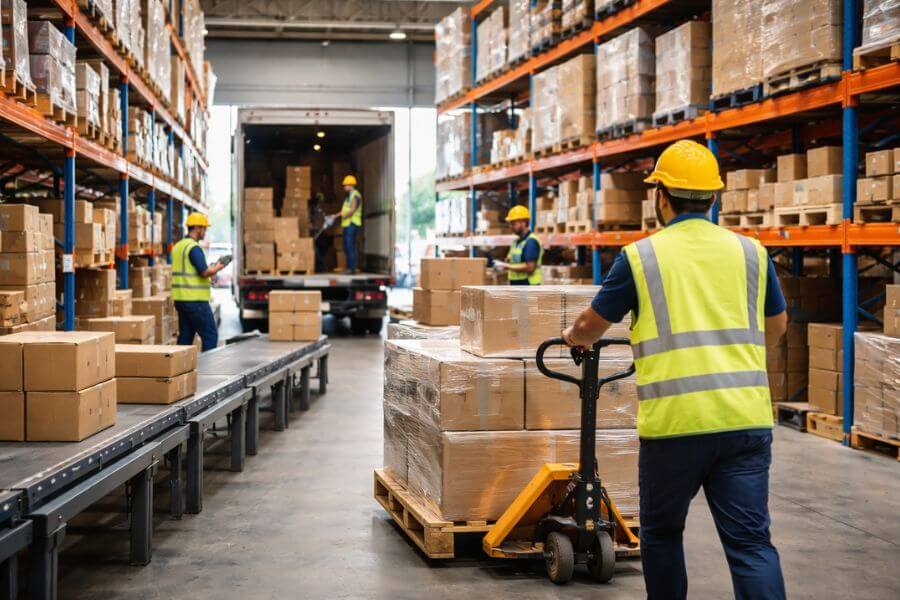
Outbound logistics is a critical part of the supply chain that focuses on how finished goods move from a warehouse or fulfillment center to the end customer. For ecommerce businesses and manufacturers, efficient outbound logistics directly affects delivery speed, customer satisfaction, and overall profitability. Whether you ship locally or globally, understanding how outbound logistics works can help you reduce costs and improve operational efficiency.
What Is Outbound Logistics?
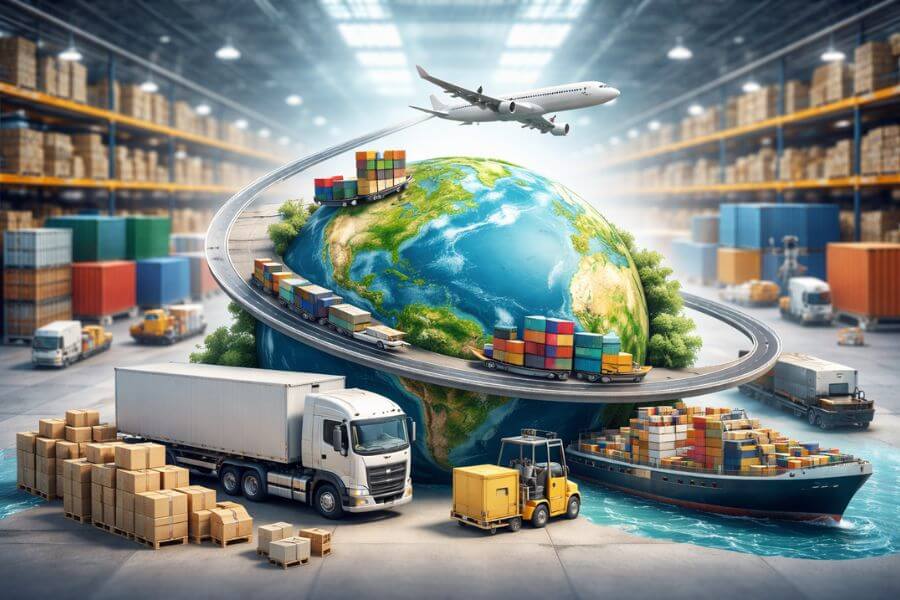
Outbound logistics refers to the processes involved in storing, handling, and transporting finished products from a warehouse or distribution center to customers. It begins once a product is ready for sale and ends when the product is delivered to the buyer. This stage includes order processing, picking and packing, shipping, and last-mile delivery. Businesses that optimize outbound logistics often achieve faster delivery times and higher customer satisfaction.
Why Outbound Logistics Matters
Outbound logistics plays a major role in shaping the customer experience. When orders are delivered quickly and accurately, customers are more likely to trust and return to a brand. Poor outbound logistics can lead to delays, damaged goods, and high shipping costs. Efficient logistics also improves inventory management, reduces operational waste, and supports business growth as order volumes increase.
Key Components of Outbound Logistics
Order Processing
Order processing begins when a customer places an order. The system verifies the order details, confirms payment, and sends the request to the warehouse. Efficient order processing ensures orders move quickly through the fulfillment system, reducing delays and minimizing errors.
Inventory Management
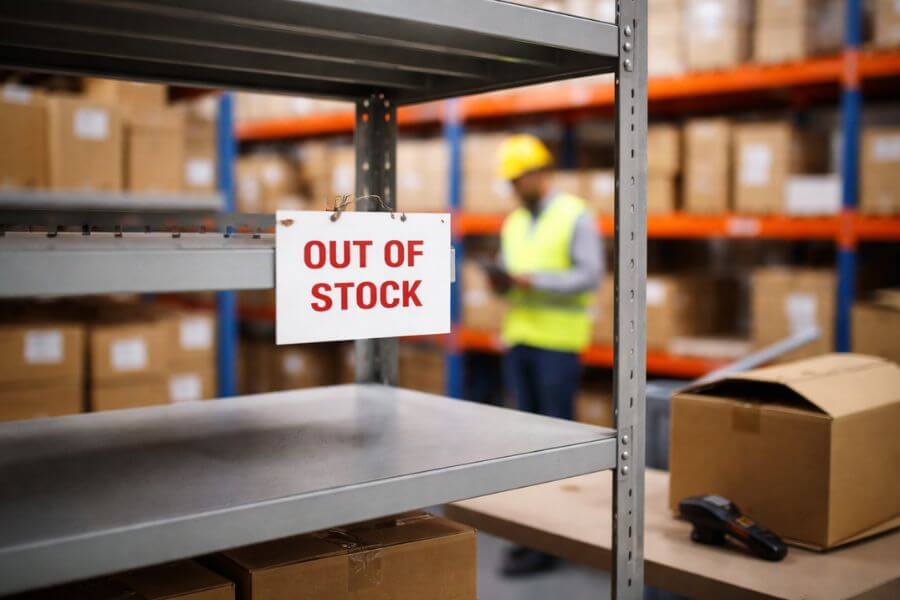
Accurate inventory management ensures products are available when orders arrive. Warehouses track stock levels and locations using inventory systems. This prevents overselling, improves order accuracy, and ensures fast picking during fulfillment.
Picking and Packing
Picking involves selecting items from warehouse shelves based on order details. Packing ensures the items are properly protected for shipment. Good packing practices reduce damage, improve shipping efficiency, and maintain product quality during transportation.
Shipping and Transportation
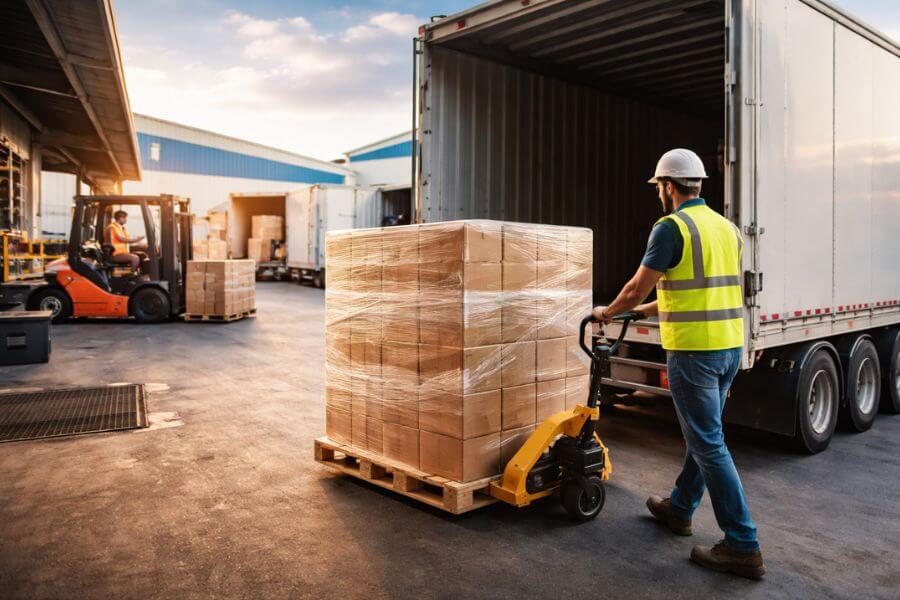
Shipping involves selecting the right carrier and transportation method to move orders to customers. Businesses may use parcel carriers, freight providers, or local delivery services. Transportation planning helps reduce costs while maintaining fast delivery times.
Last Mile Delivery
Last-mile delivery is the final stage of outbound logistics where products reach the customer’s doorstep. This step is often the most expensive and complex part of shipping because it involves individual deliveries rather than bulk transportation.
Common Outbound Logistics Strategies
Using Fulfillment Centers
Many companies use third-party fulfillment centers to manage outbound logistics. These facilities handle storage, packing, and shipping, allowing businesses to focus on sales and marketing while logistics experts manage operations.
Distributed Warehousing
Distributed warehousing involves placing inventory in multiple locations closer to customers. This reduces shipping time and costs while improving delivery speed.
Automation and Technology
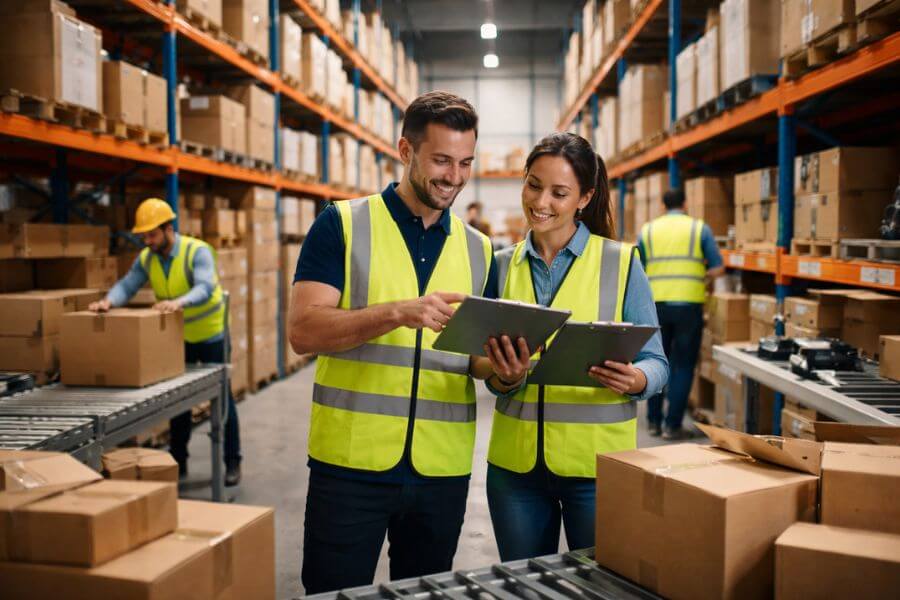
Modern logistics systems use automation, warehouse management software, and barcode scanning to improve efficiency. These tools reduce errors and speed up order fulfillment.
Challenges in Outbound Logistics
Shipping Costs
Transportation expenses can significantly affect profitability. Rising fuel costs and carrier fees make cost control an important part of logistics planning.
Delivery Delays
Unexpected disruptions such as weather, customs delays, or supply chain congestion can slow deliveries and impact customer satisfaction.
Order Accuracy
Mistakes in picking or packing can lead to returns and additional costs. Maintaining high accuracy is essential for efficient logistics operations.
How to Improve Outbound Logistics
Businesses can improve outbound logistics by investing in warehouse management systems, optimizing packaging, negotiating better shipping rates, and using multiple carrier options. Monitoring performance metrics such as delivery time, order accuracy, and shipping cost per order also helps identify areas for improvement.
Conclusion
Outbound logistics is a vital part of modern supply chains and plays a major role in customer satisfaction. By improving order processing, inventory management, transportation planning, and delivery strategies, businesses can reduce costs while providing faster and more reliable service. As ecommerce continues to grow, mastering outbound logistics will remain essential for companies that want to stay competitive.
Frequently Asked Questions
What is outbound logistics in simple terms?
Outbound logistics refers to the process of moving finished products from a warehouse or distribution center to customers. It includes order processing, picking and packing, shipping, and delivery. The goal is to ensure products reach buyers quickly, safely, and at the lowest possible cost.
What is the difference between inbound and outbound logistics?
Inbound logistics focuses on receiving raw materials or products from suppliers and storing them. Outbound logistics focuses on delivering finished goods to customers. Both processes are part of the supply chain but serve different purposes in the movement of goods.
Why is outbound logistics important for ecommerce?
Outbound logistics directly affect delivery speed and customer satisfaction. Fast and reliable shipping encourages repeat purchases and builds trust. Efficient logistics also reduces operational costs and helps ecommerce businesses scale their operations as order volumes increase.
What activities are included in outbound logistics?
Outbound logistics activities include order processing, inventory management, picking and packing, shipping, transportation planning, and last-mile delivery. Each activity ensures that finished goods move efficiently from storage locations to customers.
What is last-mile delivery?
Last-mile delivery is the final step in the logistics process, where goods are transported from a distribution center to the customer’s address. It is often the most expensive and complex part of shipping because it involves individual deliveries.
How do fulfillment centers help outbound logistics?
Fulfillment centers handle storage, packing, and shipping for businesses. By outsourcing these tasks, companies can focus on product development and marketing while logistics experts manage order fulfillment and delivery operations.
What technologies improve outbound logistics?
Technologies such as warehouse management systems, barcode scanning, automation, and shipping software improve outbound logistics. These tools increase efficiency, reduce errors, and help businesses manage large volumes of orders more effectively.
How can businesses reduce outbound logistics costs?
Businesses can reduce costs by optimizing packaging, negotiating better carrier rates, using distributed warehouses, and improving inventory planning. Efficient logistics systems also reduce mistakes and unnecessary operational expenses.
What are common outbound logistics challenges?
Common challenges include high shipping costs, delivery delays, inventory inaccuracies, and order fulfillment errors. Businesses must continuously monitor logistics performance to identify problems and improve operational efficiency.
What industries rely heavily on outbound logistics?
Ecommerce retailers, manufacturers, wholesalers, and consumer goods companies rely heavily on outbound logistics. Any business that ships products to customers needs an efficient outbound logistics system to ensure reliable and timely deliveries.