In the world of supply chains, logistics, and ecommerce fulfillment, reliability is everything. Customers expect their orders to arrive on time and exactly as promised. This is where OTIF, or On-Time, In-Full, becomes a critical performance metric. Companies use OTIF to measure how effectively they deliver products according to customer expectations. If shipments arrive late or incomplete, customer satisfaction drops, and costs rise. Understanding OTIF helps businesses improve supply chain efficiency, reduce errors, and build stronger relationships with customers and retailers. In this guide, we’ll explain what OTIF means, how it works, why it matters, and how businesses can improve their OTIF performance.
What Is On-Time, In-Full (OTIF)?
On-Time, In-Full (OTIF) is a supply chain performance metric that measures whether orders are delivered at the promised time and with the complete quantity requested. To count as OTIF compliant, a shipment must arrive exactly when scheduled and contain all items in the correct quantities. If a delivery arrives late or is missing products, it fails the OTIF measurement. Retailers and large distributors often use OTIF requirements to evaluate supplier reliability. This metric has become especially important in modern ecommerce and retail environments where customers expect fast and accurate deliveries.
Why OTIF Matters in Supply Chains
OTIF is important because it reflects how well a supply chain performs from order placement to final delivery. When companies maintain high OTIF scores, it means their logistics operations are predictable and dependable. Retailers prefer working with suppliers that consistently meet OTIF targets because it reduces stockouts and improves shelf availability. High OTIF performance also improves customer satisfaction, reduces penalties from retailers, and strengthens business partnerships. In competitive markets, strong OTIF performance can become a major advantage for logistics providers and ecommerce businesses.
How OTIF Is Calculated
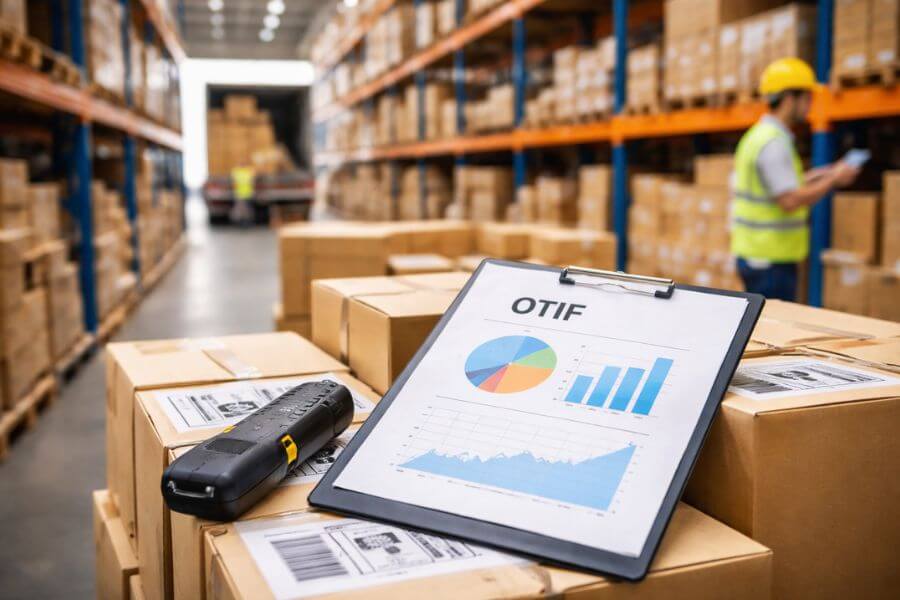
OTIF is calculated by dividing the number of orders delivered on time and in full by the total number of orders shipped. The result is expressed as a percentage. For example, if a company ships 100 orders and 92 arrive on time with complete quantities, the OTIF score is 92 percent. Companies typically track this metric weekly, monthly, or quarterly to evaluate logistics performance. Retailers may set minimum OTIF thresholds that suppliers must meet to remain compliant with delivery requirements.
Common OTIF Targets in Retail
Many large retailers require suppliers to meet strict OTIF targets to maintain efficient inventory flow. Typical OTIF expectations range between 95 percent and 98 percent, depending on the retailer and industry. Some major retailers enforce penalties or chargebacks when suppliers fail to meet OTIF requirements. These penalties encourage suppliers to improve operational discipline and shipping accuracy. High OTIF targets push suppliers to improve forecasting, warehouse processes, and transportation coordination so that deliveries consistently meet expectations.
Key Factors That Affect OTIF Performance
Several operational factors influence OTIF performance. Poor demand forecasting can lead to stock shortages that prevent orders from shipping in full. Warehouse picking errors can cause missing items. Transportation delays may cause shipments to arrive late. Inaccurate inventory data can also lead to incomplete shipments. Supply chain disruptions such as weather, port congestion, or carrier capacity shortages may affect delivery schedules. Companies that closely monitor these factors can identify problems early and improve OTIF reliability.
How Warehousing Impacts OTIF
Warehouse efficiency plays a major role in OTIF performance. If picking, packing, and inventory management systems are slow or inaccurate, orders may leave the warehouse incomplete or delayed. Modern warehouses use barcode scanning, warehouse management systems, and automated workflows to reduce errors. Efficient pick and pack processes help ensure the correct items are selected and prepared for shipping quickly. A well-organized warehouse environment significantly improves the chances of achieving high OTIF scores.
The Role of Transportation in OTIF
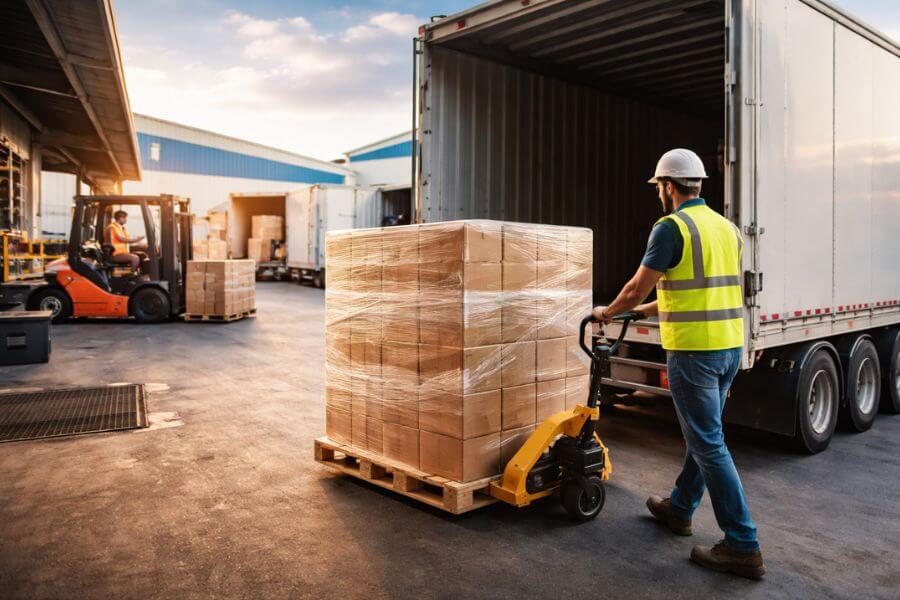
Transportation reliability is another major contributor to OTIF performance. Even if an order is packed correctly, delays in shipping can cause it to fail the on-time requirement. Companies must choose dependable carriers, optimize shipping routes, and monitor transit times carefully. Real-time tracking and transportation management systems help businesses identify delays early and take corrective action. Strong relationships with logistics providers also help ensure shipments move efficiently through the transportation network.
Technology That Helps Improve OTIF
Technology plays a major role in improving OTIF performance across modern supply chains. Warehouse management systems help maintain accurate inventory and efficient order picking. Transportation management systems optimize routing and carrier selection. Real-time analytics tools monitor delivery performance and identify potential disruptions. Automation technologies such as barcode scanning and robotic picking reduce human error. By integrating these systems, businesses can create more reliable and predictable logistics operations that support high OTIF performance.
Common Challenges Businesses Face With OTIF
Despite its importance, maintaining strong OTIF performance can be challenging. Supply chains often involve multiple partners, warehouses, and transportation providers. Even a small disruption can affect delivery accuracy. Inventory shortages, inaccurate forecasting, labor shortages, and unexpected transportation delays can all reduce OTIF performance. Businesses must continuously monitor their supply chain operations and collaborate closely with partners to address these challenges and maintain consistent delivery reliability.
Strategies to Improve OTIF Performance
Improving OTIF requires a combination of operational discipline and technology investment. Businesses should start by improving demand forecasting and inventory visibility. Implementing strong warehouse management systems can reduce picking errors and processing delays. Partnering with reliable transportation providers ensures more consistent delivery schedules. Continuous performance monitoring helps identify bottlenecks before they affect customers. By focusing on process optimization and supply chain collaboration, companies can significantly increase their OTIF performance over time.
Conclusion
On-Time, In-Full has become one of the most important metrics in modern supply chains. It reflects the reliability, efficiency, and accuracy of a company’s logistics operations. High OTIF performance improves customer satisfaction, strengthens relationships with retailers, and reduces operational costs. Achieving strong OTIF results requires effective coordination between inventory management, warehousing, and transportation. Businesses that invest in technology, process improvements, and supply chain visibility are far more likely to meet demanding OTIF expectations and succeed in competitive markets.
Frequently Asked Questions
What does OTIF mean in logistics?
OTIF stands for On-Time, In-Full. It measures whether a shipment arrives at the scheduled delivery time and includes the complete quantity ordered. If a delivery is late or missing items, it fails the OTIF requirement. Companies use this metric to evaluate supply chain reliability and delivery performance.
Why is OTIF important for retailers?
Retailers rely on OTIF to ensure shelves remain stocked and customers can find products when they need them. High OTIF performance reduces stockouts and operational disruptions. It also ensures suppliers meet delivery commitments consistently, which helps retailers maintain smooth inventory flow across distribution networks.
What is a good OTIF percentage?
Most retailers expect suppliers to maintain OTIF scores between 95 percent and 98 percent. These targets ensure reliable deliveries and consistent inventory availability. Companies with OTIF scores below these thresholds may face retailer penalties, reduced supplier ratings, or stricter compliance requirements in future supply agreements.
What causes poor OTIF performance?
Poor OTIF performance can result from inventory shortages, warehouse picking errors, inaccurate forecasting, and transportation delays. Supply chain disruptions such as weather events, labor shortages, or port congestion may also affect delivery schedules. Identifying and correcting these operational issues is key to improving OTIF results.
How do retailers enforce OTIF compliance?
Many large retailers enforce OTIF compliance through supplier agreements and performance monitoring. Suppliers that fail to meet OTIF targets may face financial penalties known as chargebacks. These policies encourage suppliers to improve logistics processes and maintain reliable delivery performance for retail partners.
How can warehouses improve OTIF performance?
Warehouses can improve OTIF by implementing accurate inventory systems, barcode scanning, and efficient pick and pack processes. Organized storage layouts and trained staff also reduce errors. When warehouse operations run smoothly, orders are processed faster and with greater accuracy, supporting higher OTIF scores.
Does transportation affect OTIF?
Yes, transportation plays a major role in OTIF performance. Reliable carriers, optimized routes, and real-time shipment tracking help ensure deliveries arrive on schedule. Delays in transit, capacity shortages, or unexpected disruptions can cause shipments to arrive late and negatively impact OTIF metrics.
What technology helps improve OTIF?
Warehouse management systems, transportation management systems, and real-time analytics platforms all help improve OTIF. These technologies improve inventory accuracy, optimize shipping routes, and track delivery performance. Automation tools such as barcode scanning and robotics also reduce human error in warehouse operations.
Is OTIF important for ecommerce businesses?
OTIF is extremely important for ecommerce businesses because customers expect fast and accurate deliveries. Late shipments or missing items quickly lead to negative reviews and lost customers. Monitoring OTIF performance helps ecommerce companies maintain service quality and strengthen customer trust.
How often should OTIF be measured?
Most companies track OTIF performance regularly using weekly or monthly reporting. Frequent measurement helps businesses identify operational problems quickly and take corrective action. Continuous monitoring also allows logistics teams to analyze trends and improve supply chain efficiency over time.