Less-than-truckload (LTL) shipping is one of the most important transportation solutions in modern logistics. Businesses that ship goods regularly often rely on LTL to reduce costs, improve efficiency, and optimize freight movement. Instead of paying for an entire truck, companies only pay for the space their shipment occupies.
Whether you run an ecommerce business, manage a warehouse, or handle supply chain operations, understanding LTL shipping can help you move goods more efficiently. This ultimate guide explains everything you need to know about less-than-truckload shipping, including how it works, its advantages, pricing factors, and best practices.
What Is Less-Than-Truckload (LTL) Shipping?
Less-than-truckload (LTL) shipping is a freight transportation method where multiple shipments from different shippers share space in the same truck. Each shipper pays only for the portion of the trailer their cargo occupies.
This shipping method is commonly used for freight that is too large for parcel shipping but too small to require a full truckload. LTL shipments usually range from about 150 pounds to 15,000 pounds.
LTL carriers consolidate multiple shipments, transport them through regional hubs, and deliver them to their final destinations. This shared model makes LTL a cost-effective option for businesses that do not need an entire truck.
How LTL Shipping Works
LTL shipping follows a hub-and-spoke distribution model. Freight moves through a network of terminals before reaching its final destination.
First, the shipper prepares the freight and schedules pickup with an LTL carrier. The carrier collects the freight and transports it to a local terminal. At the terminal, shipments are sorted and consolidated with other freight moving in the same direction.
The freight then travels through one or more distribution hubs until it reaches the destination terminal. From there, the carrier delivers it to the consignee. This process allows carriers to efficiently move smaller shipments across large regions.
Typical Size and Weight of LTL Shipments
LTL freight typically falls within a specific range of size and weight. Shipments usually weigh between 150 pounds and 15,000 pounds. They are often palletized to make handling easier.
Most LTL shipments consist of one to six pallets. Freight that exceeds this range may require partial truckload or full truckload services instead.
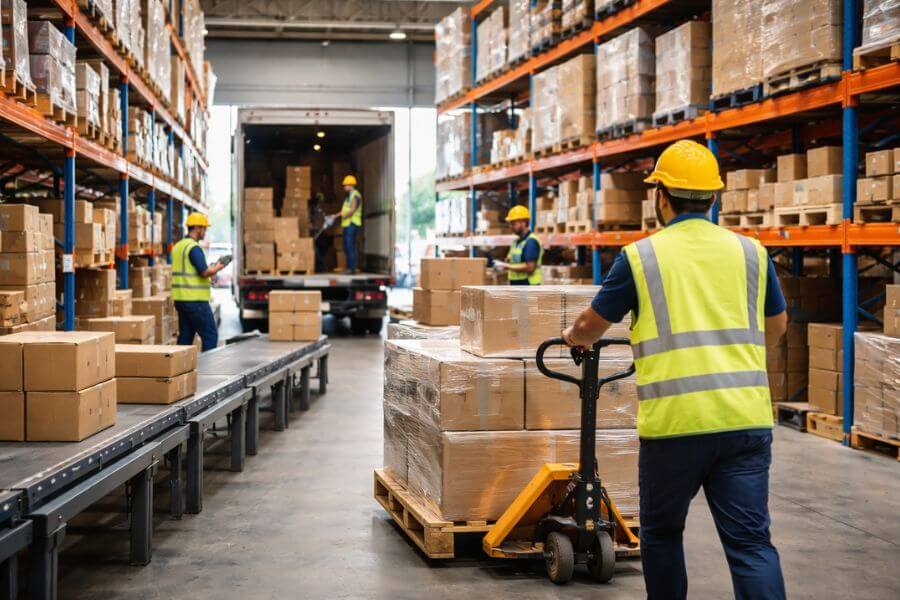
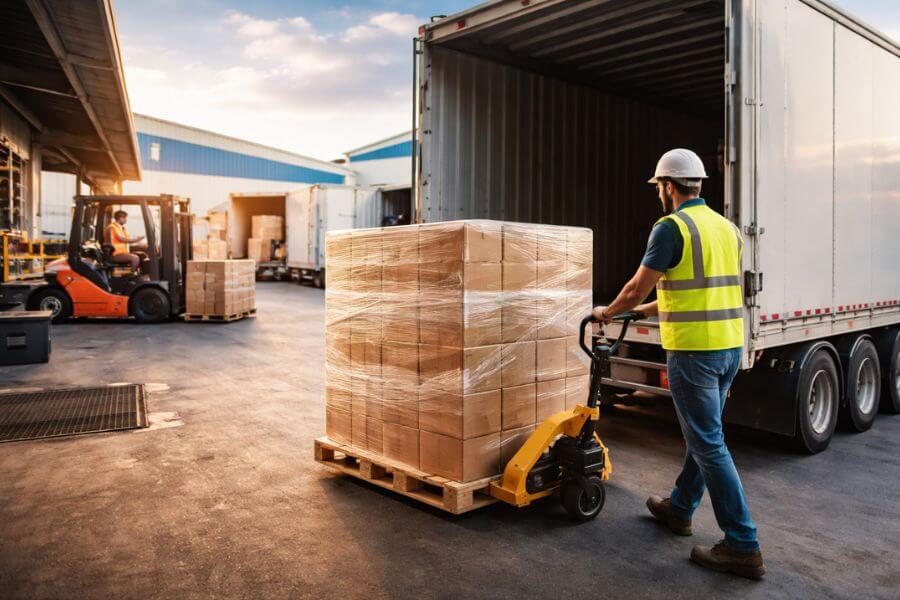
Palletized shipments help reduce damage, simplify loading, and allow carriers to maximize trailer space.
Key Components of LTL Freight
Several components define an LTL shipment and determine how it will be handled and priced.
Freight class is one of the most important factors. It categorizes goods based on density, handling requirements, value, and liability risk.
Weight and dimensions also play a critical role. Carriers calculate shipping costs based on the size and weight of the freight.
Palletization, packaging, and labeling ensure that shipments move safely through the carrier network.
Advantages of LTL Shipping
LTL shipping offers several advantages for businesses that ship moderate volumes of freight.
The biggest benefit is cost savings. Since multiple shippers share truck space, each company pays only for the portion they use.
Another advantage is flexibility. Businesses can ship smaller quantities without waiting until they have enough freight to fill a full truck.
LTL shipping also helps improve transportation efficiency and reduces empty trailer space.
Disadvantages of LTL Shipping
Despite its benefits, LTL shipping has some limitations.
Transit times are typically longer than full truckload shipping because freight passes through multiple terminals. Each transfer increases the time required to reach the destination.
There is also a slightly higher risk of damage due to additional handling during sorting and consolidation.
Proper packaging and palletization can help reduce these risks.
Understanding Freight Classes
Freight class is a standardized system used to categorize different types of cargo. The system includes classes ranging from 50 to 500.
Lower class numbers represent dense and easy-to-transport freight. Higher class numbers represent lightweight, fragile, or difficult-to-handle items.
Examples of lower-class freight include bricks or steel. Higher class freight may include electronics or delicate machinery.
Accurate classification is essential because an incorrect freight class can lead to additional charges.
LTL Pricing Factors
Several factors determine the cost of an LTL shipment.
The most important factors include freight class, shipment weight, dimensions, distance, and accessorial services. Accessorial services may include liftgate delivery, residential delivery, inside delivery, or appointment scheduling.
Fuel surcharges and market demand can also influence pricing.
Businesses that ship regularly often negotiate discounted rates with carriers or work with third-party logistics providers to obtain better pricing.
LTL vs Full Truckload (FTL)
LTL and full truckload shipping serve different logistics needs.
LTL shipping is best for smaller shipments that do not require an entire trailer. It reduces costs and improves efficiency for moderate freight volumes.
Full truckload shipping is used when a shipment fills an entire truck or when faster transit times are required. Since the freight moves directly from origin to destination, handling is minimized.
Choosing the right method depends on shipment size, urgency, and cost considerations.
Packaging Best Practices for LTL Freight
Proper packaging is critical for LTL shipments because freight may be handled multiple times during transit.
Shipments should be placed on sturdy pallets and securely wrapped with stretch film or shrink wrap. Boxes should be stacked evenly to prevent shifting during transportation.
Labels should be clearly visible on multiple sides of the shipment. This helps carriers identify and route freight accurately through their network.
Common Accessorial Services in LTL Shipping
Accessorial services are additional services provided by carriers beyond standard pickup and delivery.
Examples include liftgate service for locations without loading docks, residential delivery, inside delivery, limited access locations, and appointment scheduling.
These services improve convenience but usually add extra charges to the shipment.
Tips to Reduce LTL Shipping Costs
Businesses can reduce LTL shipping costs by optimizing packaging and freight density. Denser shipments often fall into lower freight classes, which reduces rates.
Consolidating multiple shipments into fewer pallets can also lower costs. Planning shipments in advance helps avoid expensive expedited services.
Working with experienced logistics providers or fulfillment partners can also help secure better carrier rates.
The Future of LTL Shipping
LTL shipping continues to evolve as technology improves logistics operations. Advanced route optimization, real-time tracking, and automated freight management systems are improving efficiency across the industry.
The growth of ecommerce and regional distribution networks is also increasing demand for LTL services.
As supply chains become more complex, LTL will remain a critical transportation solution for businesses around the world.
Frequently Asked Questions
What does LTL stand for in shipping?
LTL stands for less-than-truckload shipping. It refers to freight shipments that do not require a full truck. Multiple shipments from different companies share space in the same trailer, allowing each shipper to pay only for the portion of space their cargo occupies.
What weight qualifies for LTL shipping?
LTL shipments typically weigh between 150 pounds and 15,000 pounds. Freight lighter than this may ship through parcel carriers, while heavier shipments may require full truckload transportation. Palletized freight within this weight range is ideal for LTL carriers.
How long does LTL shipping usually take?
LTL transit times vary depending on distance and the number of terminals involved. Local shipments may take one or two days, while cross-country shipments may take several days. Freight consolidation and terminal transfers usually extend delivery time compared to full truckload shipping.
Why is freight class important in LTL shipping?
Freight class determines how shipments are priced and handled by carriers. It reflects factors such as density, handling requirements, and liability risk. Correct classification ensures accurate pricing and helps prevent unexpected charges or reclassification fees during transit.
Is LTL shipping cheaper than full truckload?
LTL shipping is usually cheaper for smaller shipments because multiple shippers share the transportation cost. However, if freight occupies most of a trailer, full truckload shipping may become more economical due to faster transit and fewer handling steps.
What is palletized freight?
Palletized freight refers to goods stacked and secured on a pallet for easier handling and transportation. Pallets allow forklifts to move shipments efficiently and reduce the risk of damage during loading, unloading, and sorting in LTL carrier terminals.
What are accessorial charges in LTL shipping?
Accessorial charges are additional fees for services beyond standard pickup and delivery. These services may include liftgate assistance, residential delivery, inside delivery, appointment scheduling, and deliveries to locations with limited access, such as construction sites or schools.
How can businesses reduce LTL shipping costs?
Businesses can reduce costs by increasing shipment density, optimizing packaging, and consolidating freight into fewer pallets. Accurate freight classification and planning shipments ahead of time also help avoid extra charges and improve overall transportation efficiency.
What is a bill of lading in LTL shipping?
A bill of lading is a legal shipping document that contains details about the freight shipment. It includes information such as shipper details, consignee details, freight description, weight, and handling instructions. Carriers use it to track and manage shipments during transportation.
Is LTL shipping suitable for ecommerce businesses?
LTL shipping can be useful for ecommerce businesses that ship bulk inventory to warehouses, retailers, or fulfillment centers. It allows companies to move larger quantities of goods more cost-effectively than parcel shipping while avoiding the cost of a full truckload shipment.