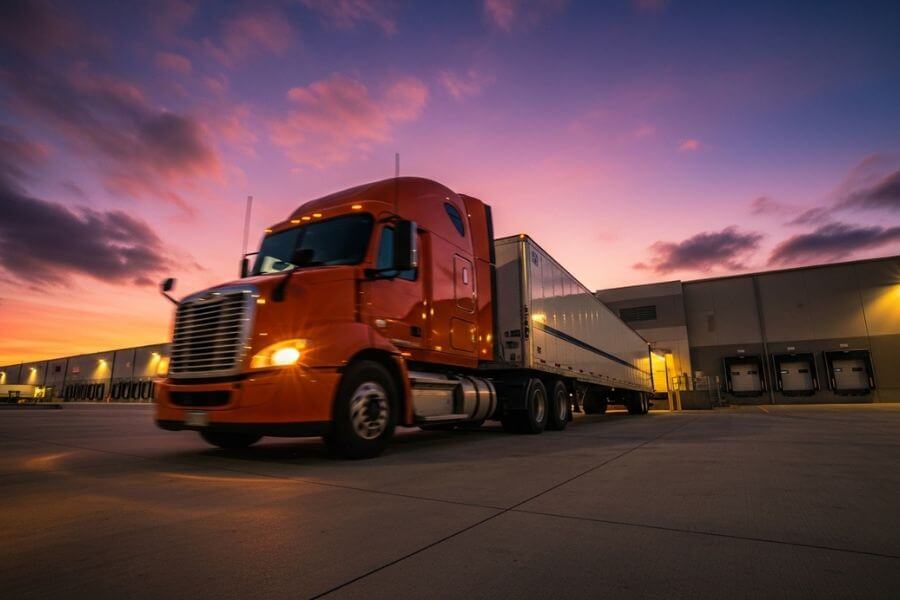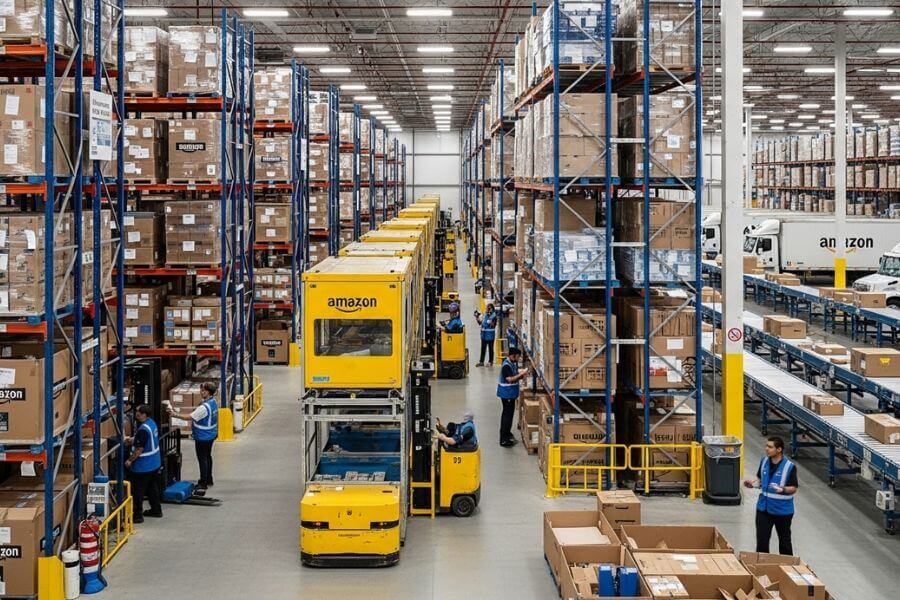
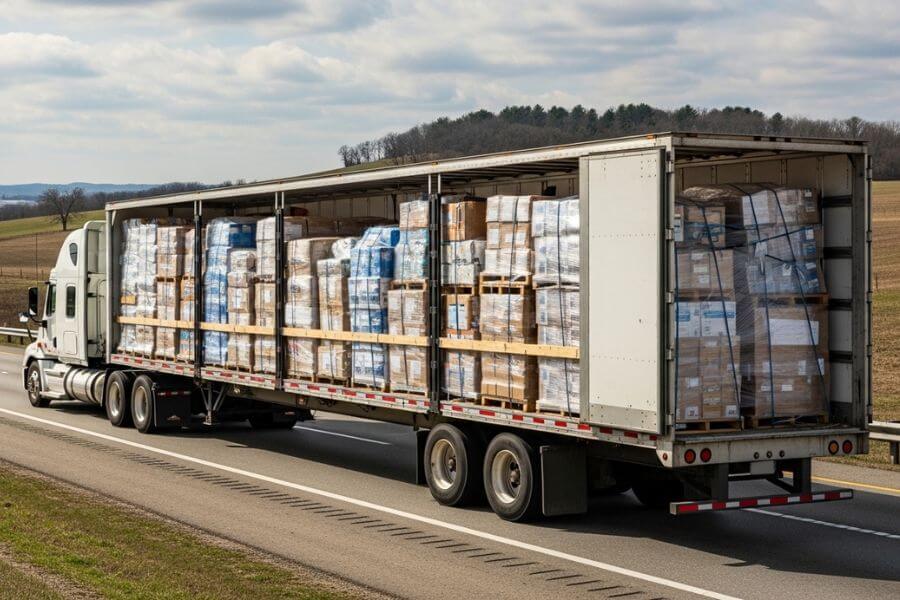
Full Truckload shipping, commonly known as FTL, is one of the most widely used freight transportation modes in the logistics industry. Whether you’re a business owner looking to optimize your supply chain or a logistics professional brushing up on fundamentals, understanding FTL freight is essential. This guide covers everything you need to know, from how it works and when to use it, to pricing, pros and cons, and how to choose the right FTL carrier.
What is Full Truckload (FTL) Shipping?
Full Truckload (FTL) shipping is a freight transportation method in which a shipper reserves an entire truck trailer exclusively for their cargo. Unlike Less-than-Truckload (LTL) shipping, where multiple shippers share space in a single truck, FTL means the truck goes directly from the pickup location to the destination, carrying only your goods.
FTL shipments typically involve large quantities of freight, usually filling or nearly filling a standard 48- or 53-foot dry van trailer. The shipper pays for the full trailer capacity regardless of whether it’s completely full, making it cost-effective when you have enough goods to justify it.
How Does FTL Shipping Work?
The FTL process is straightforward compared to other freight modes:
- Booking: The shipper contacts a freight carrier or freight broker and provides shipment details: origin, destination, cargo type, weight, and dimensions.
- Carrier assignment: A carrier assigns a dedicated truck and driver to the load.
- Pickup: The truck arrives at the shipper’s facility, the cargo is loaded, and the driver seals the trailer.
- Direct transit: The truck travels directly to the destination with no stops for other pickups or deliveries.
- Delivery: The driver unloads (or the consignee unloads) the cargo at the destination.
Because the truck travels point-to-point without detours, FTL shipments are typically faster and involve less cargo handling than LTL shipments.
FTL vs. LTL: What’s the Difference?
Understanding the distinction between FTL and LTL is critical when deciding how to ship your freight.
Full Truckload (FTL) dedicates the entire trailer to one shipper. It’s best for large, heavy, or high-volume shipments. Transit times are shorter because there are no intermediate stops, and the reduced handling lowers the risk of damage.
Less-than-Truckload (LTL) consolidates freight from multiple shippers into one trailer. It’s cost-effective for smaller shipments that don’t require a full truck, but transit times are longer, and there is more freight handling involved.
As a general rule: if your shipment weighs more than 10,000–15,000 lbs or takes up more than half a trailer, FTL is usually the more economical and efficient choice.
When Should You Use FTL Shipping?
FTL is the right choice in several scenarios:
- High-volume shipments. If you’re moving a large quantity of goods, typically over 10,000–15,000 lbs or more than 10–12 pallets, FTL will often be more cost-effective than LTL.
- Time-sensitive deliveries. Because FTL trucks travel direct routes, they arrive faster. If speed is critical, FTL is preferable to LTL, which may take several extra days due to sorting and hub stops.
- Fragile or high-value cargo. FTL minimizes handling since the cargo is loaded once and unloaded once. This significantly reduces the risk of damage, making it ideal for fragile goods, electronics, or high-value merchandise.
- Hazardous materials. Many carriers prefer FTL for hazmat shipments to reduce complexity and risk, as the cargo doesn’t share space with other shippers’ goods.
- Temperature-sensitive freight. Refrigerated or frozen goods are almost always shipped FTL to maintain cold chain integrity.
- Confidential or proprietary cargo. When shippers don’t want their goods mixed with competitors’ products, FTL provides complete privacy.
Types of FTL Trailers and Equipment
FTL isn’t one-size-fits-all. Different cargo types require different equipment:
- Dry Van: The most common trailer type. Enclosed and weatherproof, used for general freight like consumer goods, electronics, and packaged foods. Available in 48-foot and 53-foot lengths.
- Flatbed: An open trailer with no sides or roof. Used for oversized, heavy, or irregularly shaped freight like construction materials, machinery, and steel.
- Refrigerated (Reefer): Temperature-controlled trailers for perishable goods like food, pharmaceuticals, and chemicals that require specific temperature ranges.
- Stepdeck (Drop Deck): Similar to flatbed but with a lower deck, accommodating taller cargo that can’t legally fit on a standard flatbed.
- Lowboy: Designed for extremely heavy or tall equipment that exceeds standard height restrictions, like construction machinery.
- Tanker: For liquid or bulk cargo such as chemicals, fuel, or food-grade liquids.
- Intermodal Containers: Containers that can be transported by truck, rail, and ship, offering flexibility in longer or international supply chains.
FTL Shipping Costs: How is FTL Priced?
Unlike LTL freight, which is priced per hundredweight (CWT) based on freight class, FTL is typically priced per mile or as a flat rate for the entire load.
Key factors that influence FTL pricing:
- Distance: The primary driver of cost. Longer hauls cost more.
- Lane supply and demand: FTL rates fluctuate based on market conditions. Lanes with more available trucks are cheaper; lanes with driver shortages are more expensive.
- Fuel surcharges: Carriers add fuel surcharges on top of the base rate, which rise and fall with diesel prices.
- Freight weight and size: Extremely heavy loads may require special permits, especially for oversize or overweight freight.
- Trailer type: Specialized equipment like reefers or flatbeds typically cost more than standard dry vans.
- Seasonality: Rates spike during peak seasons like the produce season in spring/summer and the retail holiday peak in Q4.
- Accessorial charges: Additional fees may apply for services like liftgate use, inside delivery, detention (driver waiting time), or lumper (unloading) services.
Average FTL Rates
FTL rates vary significantly by market conditions, but as a general benchmark, the average cost in the U.S. tends to range from $1.50 to $4.00 per mile depending on lane, season, and equipment type. A typical 500-mile dry van shipment might cost anywhere from $1,000 to $2,500.
Benefits of FTL Shipping
FTL offers a range of advantages that make it the preferred choice for many businesses:
- Speed: Direct, point-to-point routing means faster transit times compared to LTL, which routes through multiple terminals.
- Lower damage risk: Your freight is loaded once and unloaded once, with no intermediate handling. This dramatically reduces the risk of damage or loss.
- Simplicity: One truck, one driver, one load. FTL logistics are straightforward with fewer touchpoints and less paperwork than complex multi-stop LTL routes.
- Reliability: FTL shipments are less prone to delays from other shippers’ cargo and sorting hub congestion.
- Cost efficiency at scale: When you have a large enough shipment, FTL becomes cheaper per unit than LTL.
- Security: Because only your cargo is in the trailer, there’s less opportunity for theft or mix-ups.
Disadvantages of FTL Shipping
FTL isn’t without its drawbacks:
- Cost for small shipments: If you don’t have enough cargo to fill a truck, you’re paying for unused capacity, making FTL expensive for smaller shipments.
- Capacity constraints: During peak seasons or in tight freight markets, finding available FTL trucks can be challenging.
- Driver availability: The trucking industry faces an ongoing driver shortage, which can occasionally impact FTL availability and pricing.
- Less flexibility: Once a truck is dispatched, rerouting or making changes is more complex than with LTL.
How to Find and Choose an FTL Carrier
Finding the right FTL carrier is critical to a smooth shipping experience. Here are your main options:
- Asset-based carriers are trucking companies that own their own fleet of trucks. They offer consistency and control over service quality. Major examples include J.B. Hunt, Werner Enterprises, and Schneider National.
- Freight brokers act as intermediaries connecting shippers with carriers. They have large networks and can often find capacity quickly. Working with a reputable broker is useful when you don’t have established carrier relationships.
- Load boards like DAT and Truckstop.com are online marketplaces where shippers can post loads and carriers can find freight. Useful for spot market shipments.
- 3PLs (Third-Party Logistics Providers) offer comprehensive logistics management, including FTL sourcing, tracking, and reporting. Ideal for businesses that want to outsource transportation management.
What to look for in an FTL carrier:
When evaluating carriers, prioritize safety record (check FMCSA scores), on-time delivery performance, insurance coverage, experience in your specific freight category, and technology capabilities like real-time tracking.
FTL Shipping Documentation
FTL shipments require standard freight documentation:
- Bill of Lading (BOL): The primary shipping document that serves as a contract between the shipper and carrier. It includes shipment details, cargo description, and terms of carriage.
- Rate Confirmation: The agreement between shipper (or broker) and carrier confirming the rate and load details.
- Proof of Delivery (POD): Signed by the consignee upon delivery, confirming the cargo arrived and in what condition.
- Freight Invoice: The carrier’s billing document.
For regulated cargo (hazmat, food-grade, pharmaceuticals), additional documentation may be required such as Safety Data Sheets (SDS), temperature logs, or chain-of-custody records.
FTL Shipping Technology and Tracking
Modern FTL logistics is increasingly technology-driven. Shippers can expect:
- Electronic Logging Devices (ELDs): Federally mandated in the U.S., these devices track driver hours of service and provide location data.
- GPS tracking: Most carriers and brokers offer real-time shipment visibility via online portals or mobile apps.
- Transportation Management Systems (TMS): Software platforms that help shippers manage FTL bookings, track shipments, analyze carrier performance, and optimize routing.
- EDI (Electronic Data Interchange): Automated data exchange between shipper and carrier systems, reducing manual paperwork.
FTL Shipping Tips to Save Money
Maximizing value on FTL shipments comes down to a few proven strategies:
- Build carrier relationships: Consistent business with preferred carriers often leads to better rates and service.
- Plan ahead: Last-minute spot freight tends to cost significantly more than freight booked in advance.
- Optimize your freight density: The heavier and better-packed your load, the better value you get per truck.
- Consider backhaul opportunities: Carriers often offer discounts for lanes where they need a load on the return trip. Ask your broker or carrier about backhaul pricing.
- Use a TMS or freight broker: Technology and expertise can help you access competitive rates and improve visibility.
- Avoid peak seasons when possible: If you have flexibility, shipping during slower periods (January–February, post-holiday) can reduce costs.
Frequently Asked Questions About FTL Shipping
How much does FTL shipping cost? FTL rates in the U.S. typically range from $1.50 to $4.00+ per mile depending on lane, equipment, season, and market conditions.
What is the minimum weight for FTL? There’s no official minimum, but FTL generally becomes cost-effective at around 10,000–15,000 lbs or 10+ pallets.
How long does FTL shipping take? Transit times depend on distance, but FTL is faster than LTL because of direct routing. A 500-mile shipment might take one to two days.
Can I track my FTL shipment? Yes. Most carriers and brokers offer real-time GPS tracking through online portals or apps.
What is the difference between FTL and a dedicated truck? FTL refers to renting a truck for a single load on a transactional basis. Dedicated trucking involves a long-term arrangement where a carrier reserves dedicated equipment and drivers exclusively for one shipper.
Do I need freight insurance for FTL? Carrier liability under the Carmack Amendment provides some protection, but it may not cover the full value of your goods. Purchasing additional freight insurance is recommended for high-value shipments.
Final Thoughts
Full Truckload shipping is a cornerstone of supply chain logistics for good reason; it offers speed, reliability, security, and cost efficiency for high-volume freight. Whether you’re shipping manufactured goods across the country or moving temperature-sensitive products across state lines, understanding how FTL works empowers you to make smarter, more cost-effective decisions for your business.
If you’re evaluating whether FTL is right for your next shipment, consider your volume, timeline, cargo type, and budget. When the numbers make sense, FTL delivers unmatched value.