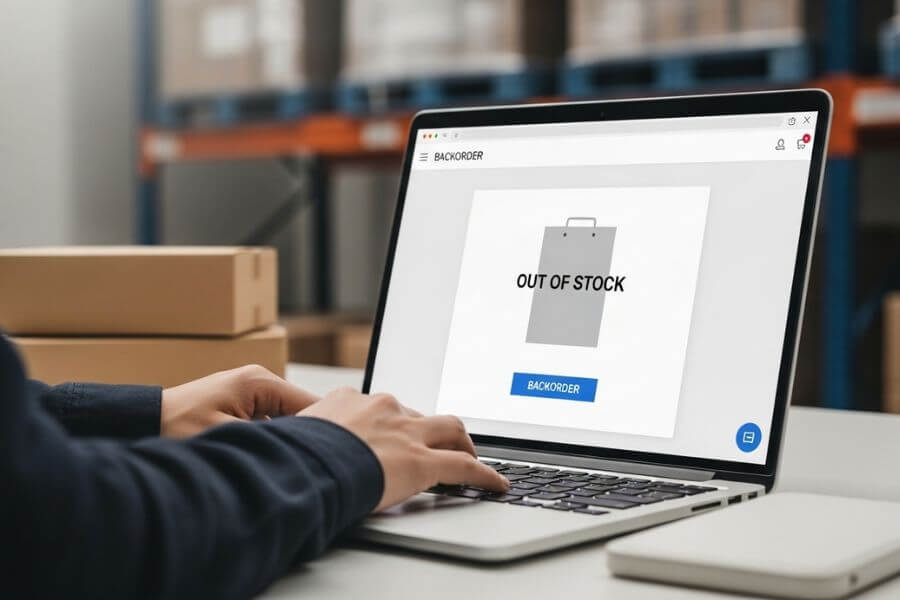
Backorder is a common term in retail and ecommerce, but many shoppers still get confused when they see it. Simply put, backorder means ordering a product that is currently out of stock but will be available again in the future. Instead of losing a sale, businesses allow customers to secure their purchase in advance.
In this guide, you’ll learn what backorder really means, how it works, its pros and cons, and whether you should buy backordered items. If you’re a shopper or an online store owner, understanding backorder can help you make smarter buying decisions.
What is Backorder?
Backorder refers to a situation where a customer orders a product that is temporarily unavailable in inventory. Instead of canceling the order, the store accepts it and promises to ship the item once new stock arrives.
Backorders are common in popular product launches or seasonal demand spikes. Many businesses use backorders to avoid losing customers when inventory runs low. From a shopper’s perspective, backordering is similar to reserving a product in advance.
However, delivery time can be longer than normal because the product must first be restocked before shipping.
How Does Backorder Work?
The backorder process is actually simple:
- Customer places an order for an out-of-stock product.
- The store confirms the order but not the shipment.
- The supplier manufactures or restocks the product.
- The store ships the product once inventory is available.
For ecommerce businesses, backorders help maintain sales momentum even when stock is temporarily depleted. Many global online retailers use this strategy to manage supply chain fluctuations and demand uncertainty.
Backorder vs Preorder: What’s the Difference?
Many people confuse backorders with preorders, but they are not the same.
- Backorder: Product is already released but temporarily out of stock.
- Preorder: Product is not released yet but can be reserved early.
For example, if a popular gadget is sold out after launch, it may be offered as a backorder. If a product is announced but not yet released, customers usually place a preorder.
Understanding this difference helps you avoid unexpected delivery delays.
Advantages of Backorder
- Never Miss a Sale: Backorders help businesses continue selling even when inventory is low. Customers who really want the product are willing to wait.
- Improves Customer Loyalty: Allowing backorders shows customers that you are committed to fulfilling their purchase rather than simply displaying “sold out.”
- Helps Manage Inventory Risk: Retailers don’t need to overstock products. This reduces storage cost and minimizes unsold inventory.
- Supports High-Demand Products: When demand suddenly increases, backorder keeps revenue flowing.
Disadvantages of Backorder
- Longer Waiting Time: Customers must wait until the product is restocked and shipped.
- Potential Customer Dissatisfaction: If shipping estimates are inaccurate, buyers may cancel orders.
- Supply Chain Risk: If suppliers cannot deliver stock on time, backorders may be delayed.
Is Backorder Safe for Shoppers?
Generally, backordering is safe if you purchase from a reliable store. Here are a few tips:
- Check estimated shipping date.
- Read store return and refund policy.
- Buy from trusted brands or platforms.
- Avoid stores that do not provide tracking information.
If the store has good customer reviews and transparent policies, backordering is usually low risk.
Backorder in Ecommerce Business Strategy
Many modern online stores use backorder as part of their sales strategy. It helps:
- Reduce lost revenue from stockouts
- Test market demand before mass production
- Maintain product visibility
- Improve supply planning
Some businesses even combine backorder with subscription models or waiting lists.
When Should You Avoid Backordered Products?
You might want to avoid backordered items if:
- You need the product urgently.
- Shipping date is uncertain.
- Seller reputation is unknown.
- Refund policy is unclear.
- The price seems unusually low.
Patience is key when buying backordered products.
Conclusion
Backorder is a useful system that benefits both businesses and customers when used properly. It allows stores to continue selling popular products even when inventory runs out, while customers can secure items they want without waiting for a full restock announcement.
However, always check delivery estimates and seller credibility before placing a backorder. Whether you are a shopper looking for rare products or a business optimizing inventory, understanding backorder can help you make better purchasing decisions.