If you have ever ordered a product from another country and received it surprisingly fast, there is a good chance air cargo made it possible. Air cargo plays a major role in global trade by helping businesses move goods quickly across continents. From electronics and fashion items to medical supplies and fresh food, air freight keeps supply chains moving when speed matters most.
If you run an ecommerce business, manage logistics, or simply want to understand how international shipping works, learning about air cargo can help you make smarter shipping decisions. In this guide, you will learn how air cargo works, when to use it, what it costs, and how it fits into modern logistics. By the end, you will have a clear understanding of how air freight supports global commerce and why it remains essential despite higher costs compared to ocean shipping.
What Is Air Cargo?
Air cargo refers to goods that are transported by aircraft. These shipments typically move through commercial airlines or dedicated cargo airlines. Unlike passenger luggage, air cargo involves organized freight shipments that follow strict handling, safety, and documentation procedures.
There are two main types of air cargo. The first is general cargo, which includes items such as electronics, clothing, automotive parts, and consumer products. The second is special cargo, which includes items that require special handling, such as pharmaceuticals, dangerous goods, live animals, or temperature-sensitive products.
Air cargo is often chosen when speed is more important than cost. Businesses use it when they need to restock inventory quickly, deliver high-value items safely, or meet urgent customer demands. Because of its reliability and speed, air cargo remains a preferred shipping method for time-sensitive logistics.
How Air Cargo Works
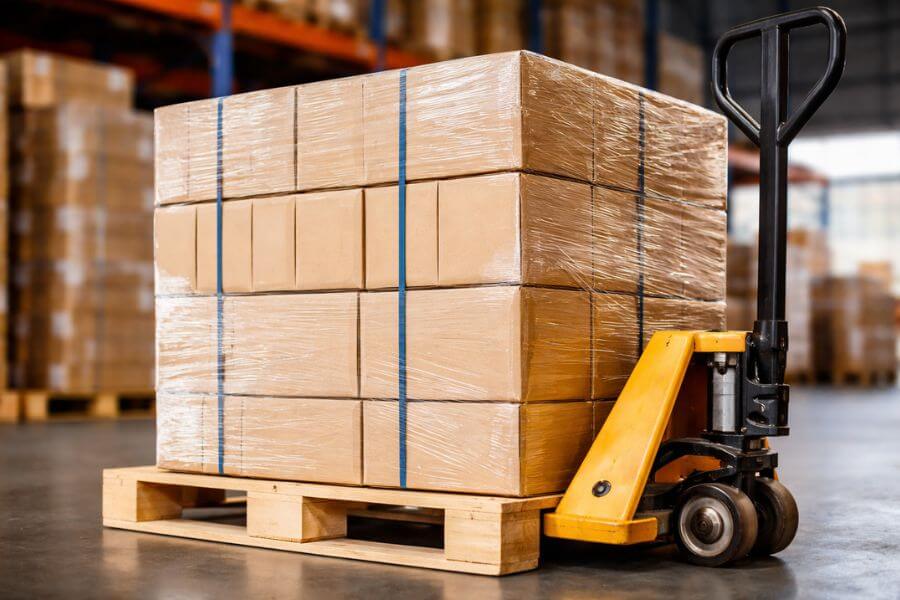
Air cargo involves several steps before a shipment reaches its final destination. First, the shipper prepares the goods and packages them according to airline regulations. Proper packaging is important because cargo must withstand handling, stacking, and transport conditions.
Next, the shipment moves to a freight forwarder or cargo terminal. Freight forwarders play a key role by organizing transportation, documentation, and customs clearance. They also help consolidate shipments from multiple customers to reduce costs.
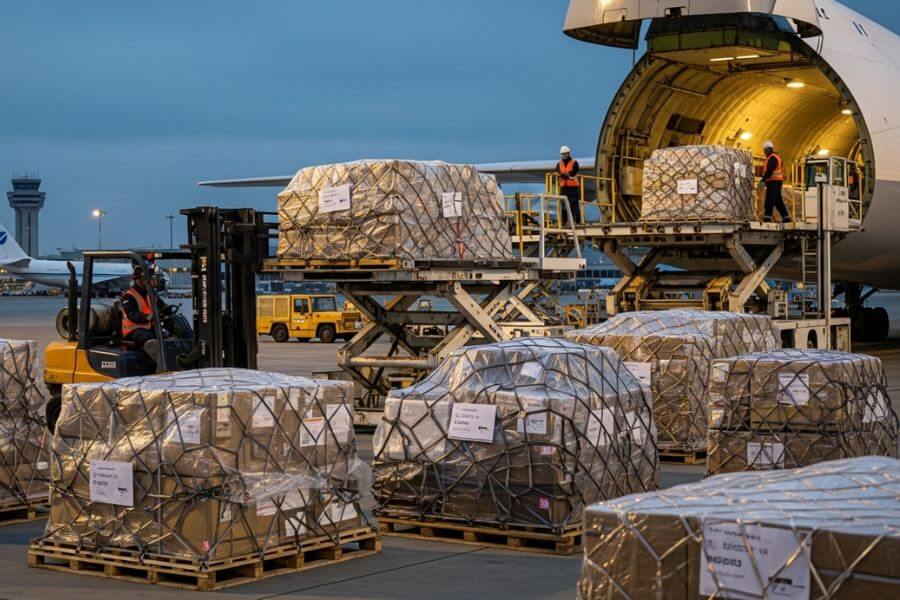
After documentation is completed, the cargo is transported to the airport warehouse. Here it goes through security checks and screening procedures. Once approved, it is loaded onto the aircraft either in the cargo hold of a passenger plane or on a dedicated cargo aircraft.
After arriving at the destination airport, the cargo goes through customs clearance before being released for delivery. Finally, the shipment is transported to the final destination through trucking networks. This process may seem complex, but strong coordination between logistics partners keeps everything running smoothly.
Types of Aircraft Used in Air Cargo
Air cargo moves on two main types of aircraft. The first is a passenger aircraft that carries cargo in its lower deck compartments. Many airlines use this space to transport ecommerce packages and commercial freight alongside passenger luggage.
The second type is dedicated cargo aircraft, often called freighters. These aircraft are designed specifically for cargo and can carry larger and heavier shipments. They usually feature large cargo doors, reinforced floors, and specialized loading systems.
Freighters are commonly used for oversized cargo, industrial equipment, and high-volume shipments. Passenger aircraft cargo space is typically used for smaller shipments and express parcels. The combination of these aircraft types allows the air cargo industry to maintain flexibility and capacity.
Advantages of Air Cargo
The biggest advantage of air cargo is speed. Air freight can reduce international transit times from weeks to just days. This makes it ideal for urgent shipments and fast-moving industries like ecommerce and technology.
Another advantage is reliability. Airlines operate on fixed schedules, which helps businesses plan inventory more accurately. This predictability can reduce safety stock requirements and improve supply chain efficiency.
Security is another benefit. Airports have strict security controls, which reduce the risk of theft or damage. This makes air cargo a strong choice for high-value products such as luxury goods and electronics.
Air cargo also reduces the need for large storage space. Because goods move quickly, businesses can operate with leaner inventory strategies. This can improve cash flow and reduce warehousing costs.
Disadvantages of Air Cargo
Despite its advantages, air cargo does come with some limitations. The biggest drawback is cost. Air freight is usually much more expensive than ocean freight. Because of this, businesses must carefully decide when speed justifies the extra expense.
Another limitation is cargo size and weight restrictions. Aircraft have strict capacity limits, which means extremely large or heavy cargo may not be suitable for air transport. In these cases, ocean freight may be a better option.
Weather disruptions can also impact air cargo schedules. Severe weather conditions can delay flights and affect delivery timelines. Although airlines work hard to minimize delays, unexpected disruptions can still occur.
Finally, air cargo has a higher environmental impact compared to sea transport in terms of carbon emissions per shipment. Many companies are now exploring carbon offset programs and sustainable aviation fuel to reduce environmental impact.
When You Should Use Air Cargo
Air cargo is not always the right solution, but in certain situations it becomes the best choice. You should consider air cargo when shipping high-value goods where faster delivery reduces financial risk. For example, electronics or seasonal fashion products often benefit from faster transit.
You may also choose air freight when inventory shortages could hurt your business. If you run an ecommerce store and a popular product sells out, air cargo can help you restock quickly and avoid losing sales.
Air cargo is also useful for perishable products such as fresh food, flowers, or pharmaceuticals. These items often require fast transit to maintain quality.
Another situation where air cargo makes sense is emergency shipping. Businesses sometimes use air freight to move replacement parts or urgent supplies to prevent production delays.
Understanding Air Cargo Costs
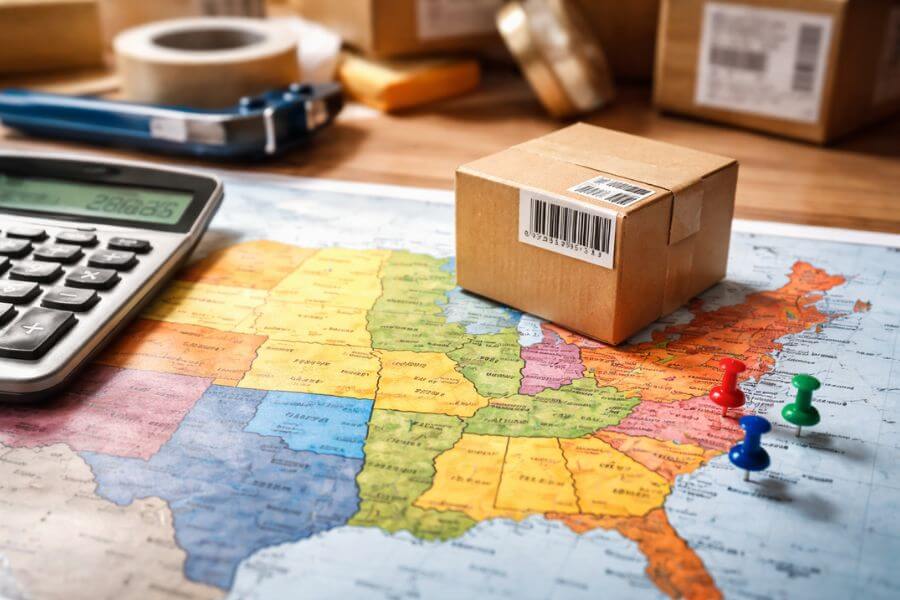
Air cargo pricing depends on several factors. The most important factor is chargeable weight, which considers both actual weight and dimensional weight. Airlines calculate dimensional weight based on package size because larger packages take up more aircraft space.
Distance also affects cost. Longer routes typically cost more because they involve more fuel and operational expenses. Fuel prices themselves also play a role through fuel surcharges that airlines may apply.
Additional costs may include security screening fees, terminal handling charges, customs clearance fees, and last-mile delivery costs. Because of these variables, it is important to request detailed quotes when comparing shipping options.
Working with a freight forwarder can help you manage these costs. They often have negotiated airline rates and can suggest consolidation strategies that reduce shipping expenses.
Air Cargo Documentation You Should Know
Air cargo requires several important documents to ensure smooth transportation. One of the most important documents is the air waybill. This document acts as a contract between the shipper and the airline and includes shipment details, origin, destination, and handling instructions.
Commercial invoices are also required for customs clearance. These documents describe the goods, their value, and the parties involved in the transaction. Packing lists are also important because they provide detailed shipment contents.
Some shipments require special documentation. For example, dangerous goods require safety declarations. Food and medical shipments may require health certificates or regulatory approvals.
Accurate documentation is critical because errors can cause delays, penalties, or shipment holds. Careful preparation helps ensure smooth customs processing.
The Role of Freight Forwarders in Air Cargo
Freight forwarders act as logistics coordinators who help manage the air cargo process. Instead of dealing directly with airlines, many businesses work with forwarders because they simplify shipping operations.
A freight forwarder can help you choose the best routes, manage paperwork, arrange customs clearance, and organize final delivery. They also help combine shipments from multiple customers to reduce costs through consolidation.
Forwarders also provide tracking visibility and communication support. This helps you monitor shipments and respond quickly if issues arise. For companies without in-house logistics teams, freight forwarders provide valuable expertise.
Choosing a reliable freight forwarder can make a significant difference in shipping performance. Experience, network coverage, and customer support are important factors to consider when selecting a partner.
Technology Trends in Air Cargo
Technology is transforming the air cargo industry. Digital tracking systems now allow businesses to monitor shipments in real time. This improves transparency and helps companies plan operations more effectively.
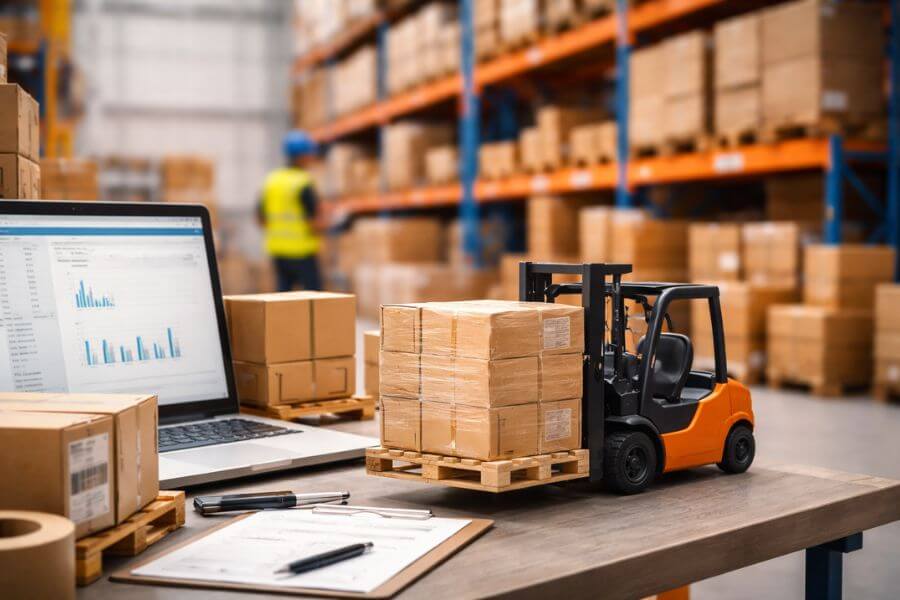
Automation is also improving warehouse operations at airports. Automated sorting systems and digital documentation reduce processing time and improve accuracy.
Artificial intelligence is also being used for demand forecasting and route optimization. These tools help airlines improve capacity planning and reduce empty cargo space.
Sustainability is another major focus. Airlines and logistics companies are investing in fuel-efficient aircraft and exploring sustainable aviation fuel options. These efforts aim to reduce environmental impact while maintaining efficiency.
Conclusion
Air cargo plays a vital role in modern logistics by enabling fast and reliable global transportation. While it may cost more than other shipping methods, its speed, security, and reliability make it essential for many industries. From ecommerce businesses needing fast restocking to companies shipping high-value goods, air freight provides a powerful solution when time matters.
Understanding how air cargo works helps you make better logistics decisions. By knowing when to use it, how pricing works, and how documentation affects shipping, you can avoid common mistakes and improve your supply chain performance. As technology continues to improve and sustainability efforts grow, air cargo will continue to evolve and remain an important part of global trade.
If you want to improve your shipping strategy, learning how to balance air cargo with other transportation options can help you control costs while maintaining delivery speed. With the right planning and partners, air cargo can become a valuable tool in your logistics strategy.
Frequently Asked Questions
What is the difference between air cargo and air freight?
Air cargo and air freight are often used interchangeably, but they can have slightly different meanings depending on context. Air cargo usually refers to the goods being transported, while air freight often refers to the transportation service itself. In most logistics discussions, both terms generally mean shipping goods by air.
How safe is air cargo compared to other shipping methods?
Air cargo is considered one of the safest transportation methods because of strict airport security procedures and controlled handling environments. Cargo screening, tracking systems, and regulated processes help reduce risks such as theft and damage. This makes it especially suitable for high-value and sensitive shipments.
Can small businesses use air cargo services?
Yes, small businesses can use air cargo through freight forwarders or express carriers. Many logistics providers offer consolidation services that allow smaller shipments to share space with other cargo. This makes air freight more affordable and accessible for smaller companies that do not ship large volumes.
How are fragile items protected during air cargo transport?
Fragile items are protected through proper packaging, cushioning materials, and special handling labels. Shippers often use reinforced boxes, foam protection, and shock-resistant materials. Some shipments may also receive special handling instructions to reduce movement and prevent damage during transport.
What industries depend the most on air cargo?
Several industries rely heavily on air cargo, including ecommerce, electronics, healthcare, automotive, and fashion. These industries often need fast delivery, secure handling, or temperature-controlled transportation. Air cargo helps them maintain production schedules and meet customer expectations.