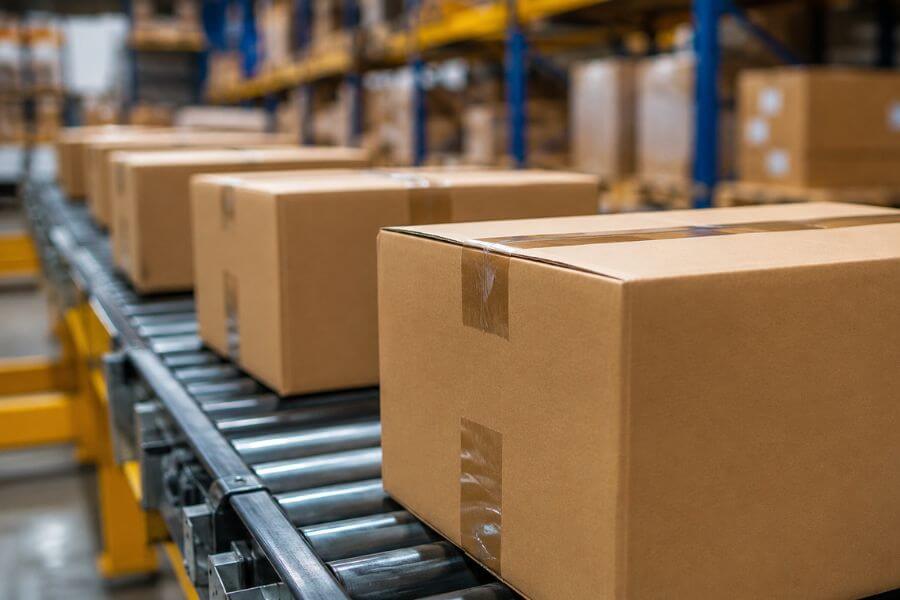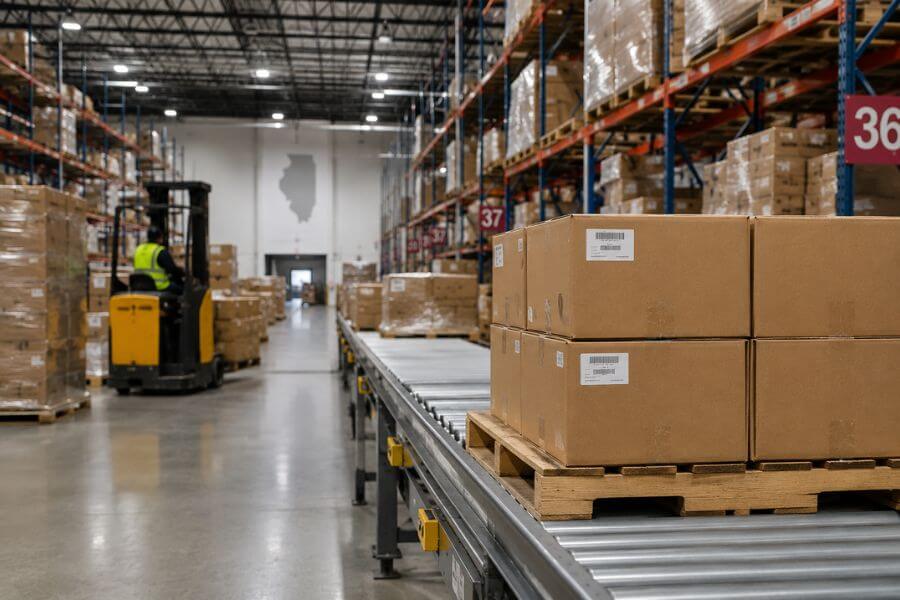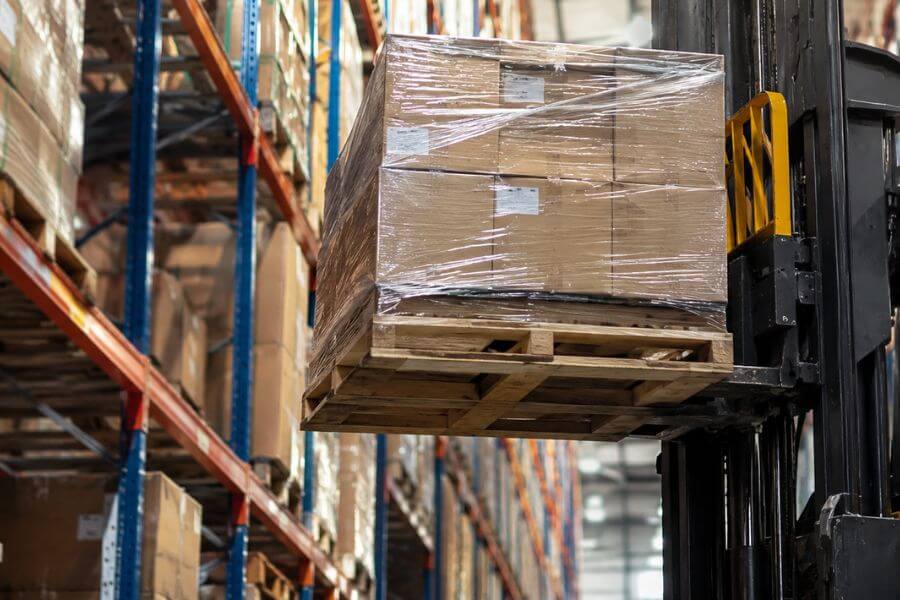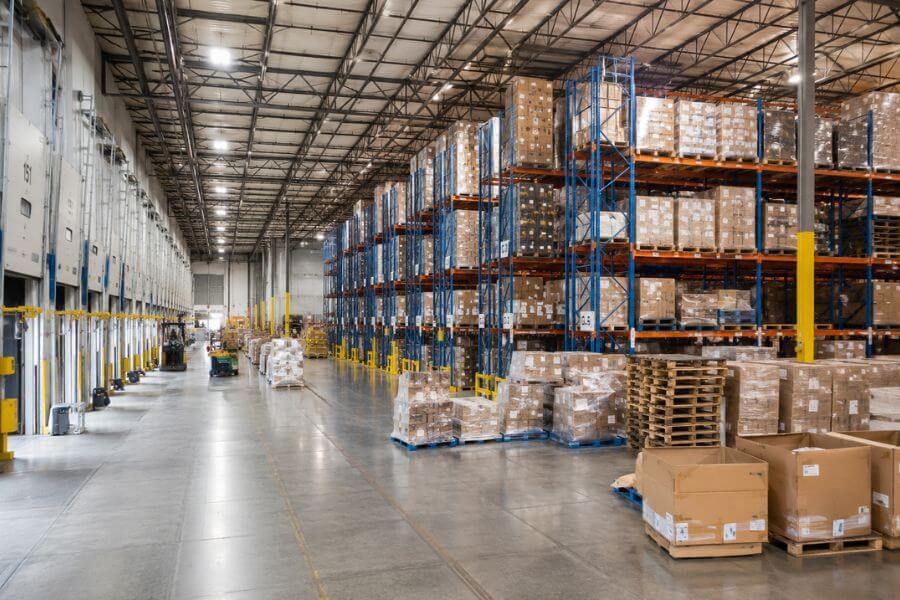
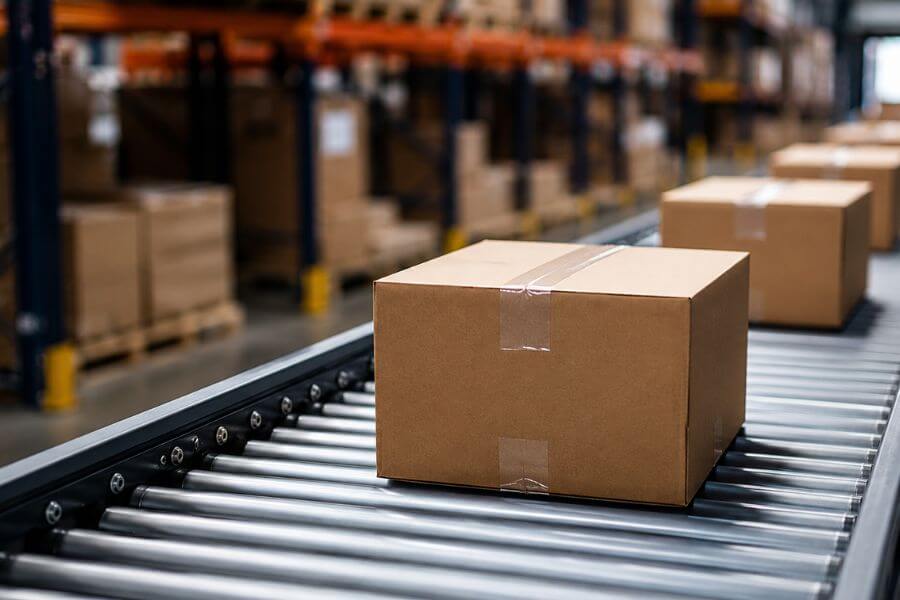
California remains one of the most important logistics hubs in the United States. With direct access to major ports, dense consumer markets, and extensive transportation networks, it offers businesses a strategic location for warehousing, order fulfillment, and nationwide distribution.
Whether you operate an ecommerce store, retail brand, wholesale business, or omnichannel operation, partnering with the right third-party logistics (3PL) provider can help you reduce shipping costs, improve delivery speed, and scale more efficiently.
In this guide, we compare the top 3PL companies in California and explain how to choose the best warehousing and ecommerce fulfillment partner for your business.
Why California Is a Strategic Fulfillment Hub
California provides several advantages for businesses looking to optimize their supply chains:
- Access to the Ports of Los Angeles, Long Beach, and Oakland
- Faster delivery to West Coast customers
- Strong transportation infrastructure
- Large consumer population centers
- Improved inventory positioning for nationwide distribution
- Reduced shipping zones and parcel costs
Many businesses use California as their primary West Coast fulfillment location while operating additional warehouses in the Midwest and East Coast regions.
Quick Comparison: Top California 3PL Companies
| Company | Best For | Key Strengths |
|---|---|---|
| Simple Global | Ecommerce brands | Ecommerce fulfillment, marketplace integration, international shipping |
| Logos Logistics | Warehousing and fulfillment | Flexible warehousing, ecommerce fulfillment, transportation solutions |
| Amazon.com | Marketplace sellers | FBA network, Prime delivery capabilities |
| GXO Logistics | Enterprise distribution | Automation, robotics, large-scale warehousing |
| Expeditors | Global supply chains | International logistics and freight forwarding |
| UPS Supply Chain Solutions | Omnichannel distribution | Transportation and fulfillment integration |
| Total Quality Logistics (TQL) | Freight management | Transportation brokerage and logistics expertise |
| DSV | Global logistics | End-to-end supply chain solutions |
| DHL Supply Chain | Enterprise fulfillment | Global warehousing and distribution network |
| Echo Global Logistics | Freight technology | Transportation visibility and optimization |
How We Selected These California 3PL Providers
Our rankings consider the following factors:
- California warehouse presence
- Ecommerce fulfillment capabilities
- Scalability for growing businesses
- Technology and inventory visibility
- Transportation network strength
- Industry reputation
- Omnichannel fulfillment support
- Value-added services
1. Simple Global
Simple Global is a well-known ecommerce fulfillment provider that helps online retailers manage inventory, process orders, and deliver products to customers across the United States and international markets. The company focuses heavily on supporting direct-to-consumer brands, marketplace sellers, and growing ecommerce businesses that need scalable fulfillment without investing in their own warehouse infrastructure.
As ecommerce continues to evolve, many brands face challenges such as increasing order volumes, inventory management complexities, and customer expectations for faster shipping. Simple Global addresses these challenges through technology-driven fulfillment solutions designed to improve operational efficiency and customer satisfaction.
Key services:
- Ecommerce fulfillment
- Order processing and shipping
- Inventory management
- Amazon FBA preparation
- Returns management
- International fulfillment
- Kitting and bundling
- Subscription box fulfillment
Why businesses choose Simple Global:
Simple Global offers strong integration capabilities with major ecommerce platforms and marketplaces. This allows businesses to synchronize inventory, automate order processing, and maintain visibility across multiple sales channels.
The company is particularly attractive to brands that experience seasonal growth or rapid sales increases because it provides flexible warehousing and fulfillment capacity. Businesses can scale operations without taking on the costs and risks associated with managing their own warehouses.
Best for:
Simple Global is best suited for ecommerce brands, marketplace sellers, subscription businesses, and companies looking to simplify fulfillment operations while maintaining a high level of visibility and control.
2. Logos Logistics
Logos Logistics provides comprehensive third-party logistics services that combine warehousing, transportation, ecommerce fulfillment, and supply chain management. With a focus on flexibility and customer service, the company supports businesses ranging from growing ecommerce brands to established manufacturers and distributors.
Many companies require more than simple order fulfillment. They need a logistics partner capable of managing inventory, coordinating transportation, handling value-added services, and adapting to changing business requirements. Logos Logistics is designed to meet these needs through customized solutions that align with each client’s supply chain strategy.
Key services:
- 3PL warehousing
- Ecommerce fulfillment
- Transportation management
- Contract logistics
- Cross-docking
- Inventory management
- Kitting and assembly
- Returns processing
- Quality inspections
- Specialty packaging
Why businesses choose Logos Logistics:
One of the company’s primary advantages is its ability to provide customized logistics programs rather than forcing customers into standardized processes. This flexibility allows businesses to optimize fulfillment workflows based on product requirements, customer expectations, and growth objectives.
The company also supports both business-to-business and direct-to-consumer distribution models, making it a strong option for omnichannel brands operating across multiple sales channels.
Best for:
Logos Logistics is ideal for ecommerce companies, manufacturers, retailers, automotive suppliers, and businesses seeking a scalable logistics partner with warehousing and transportation expertise.
3. Amazon.com
Amazon has built one of the largest fulfillment and distribution networks in the world through its Fulfillment by Amazon (FBA) program. For businesses selling on Amazon Marketplace, FBA provides access to nationwide fulfillment infrastructure and Prime-eligible shipping services.
Through FBA, sellers ship inventory to Amazon fulfillment centers, where products are stored, picked, packed, shipped, and supported through customer service and returns management. This allows businesses to leverage Amazon’s logistics capabilities without developing their own fulfillment network.
Key services:
- Fulfillment by Amazon (FBA)
- Inventory storage
- Prime shipping
- Returns management
- Customer service support
- Multi-channel fulfillment
- Marketplace integration
Why businesses choose Amazon:
The primary benefit of Amazon’s fulfillment network is speed. Businesses can offer Prime delivery options, which often improve product visibility and conversion rates on the Amazon marketplace.
Additionally, Amazon’s extensive warehouse network enables inventory placement close to customers, reducing delivery times and improving the customer experience.
Best for:
Amazon is best for marketplace sellers that generate significant sales through Amazon and want access to Prime shipping and fulfillment infrastructure.
4. GXO Logistics
GXO Logistics is one of the largest contract logistics providers in the world and is recognized for its investment in warehouse automation, robotics, and advanced supply chain technology. The company serves major retailers, manufacturers, healthcare organizations, and consumer goods companies that require sophisticated logistics operations.
As supply chains become increasingly complex, many businesses are looking for ways to improve efficiency, reduce labor dependency, and increase inventory accuracy. GXO addresses these challenges through highly automated fulfillment environments that optimize productivity and throughput.
Key services:
- Contract warehousing
- Ecommerce fulfillment
- Automated distribution
- Reverse logistics
- Inventory management
- Omnichannel fulfillment
- Retail distribution
- Value-added services
Why businesses choose GXO:
GXO’s technology-first approach helps businesses improve operational performance through robotics, artificial intelligence, warehouse automation, and advanced analytics. These capabilities can significantly improve inventory accuracy, order speed, and labor efficiency.
The company also offers global scale, making it attractive to enterprises operating complex domestic and international supply chains.
Best for:
GXO Logistics is best for enterprise-level organizations that require high-volume distribution, warehouse automation, and advanced logistics technology.
5. Expeditors
Expeditors is a global logistics company that combines transportation management, freight forwarding, customs brokerage, warehousing, and supply chain consulting into a unified service offering. The company has built a strong reputation for helping businesses navigate international logistics challenges while maintaining supply chain visibility.
For businesses importing products into California from Asia and other global markets, Expeditors provides valuable expertise in customs compliance, freight management, and inventory coordination.
Key services:
- Air freight
- Ocean freight
- Customs brokerage
- Warehousing
- Supply chain management
- Transportation management
- Cargo insurance
- International logistics consulting
Why businesses choose Expeditors:
Expeditors is known for its strong global network and ability to coordinate complex international supply chains. Businesses benefit from improved visibility, reduced compliance risks, and streamlined transportation management.
Its integrated approach allows companies to manage inbound freight, warehousing, and distribution through a single logistics partner.
Best for:
Expeditors is ideal for importers, exporters, manufacturers, and companies with global supply chains.
6. UPS Supply Chain Solutions
UPS Supply Chain Solutions extends the capabilities of the UPS transportation network by offering warehousing, fulfillment, transportation management, and supply chain optimization services. The company serves businesses of all sizes, from growing ecommerce brands to multinational enterprises.
UPS combines its transportation expertise with warehousing infrastructure to create integrated logistics solutions that support efficient inventory movement and order fulfillment.
Key services:
- Warehousing
- Order fulfillment
- Transportation management
- Reverse logistics
- Healthcare logistics
- Freight forwarding
- Customs brokerage
- Distribution services
Why businesses choose UPS Supply Chain Solutions:
Companies often choose UPS because of its extensive transportation network and ability to integrate shipping and fulfillment operations. This can help reduce delivery times, improve shipment visibility, and simplify logistics management.
The company’s global reach also supports businesses with international distribution requirements.
Best for:
UPS Supply Chain Solutions is best for companies seeking integrated warehousing, fulfillment, and transportation services.
7. Total Quality Logistics (TQL)
Total Quality Logistics (TQL) is one of the largest freight brokerage and transportation management companies in North America. While the company is primarily known for transportation services, it plays a critical role in helping businesses move inventory efficiently between suppliers, warehouses, distribution centers, and customers.
For companies operating in California, transportation costs can significantly impact overall supply chain performance. TQL helps businesses optimize freight movements through its extensive carrier network, advanced logistics technology, and dedicated account management approach.
Key services:
- Freight brokerage
- Full truckload (FTL) shipping
- Less-than-truckload (LTL) shipping
- Intermodal transportation
- Expedited freight
- Managed transportation
- Supply chain visibility
- Carrier management
Why businesses choose TQL:
TQL has access to a large network of transportation providers across North America, allowing businesses to secure capacity during both normal operations and peak shipping seasons.
The company’s technology platform provides shipment tracking and real-time visibility, helping customers monitor freight performance and improve planning decisions.
Many businesses use TQL to supplement warehouse operations by improving inbound and outbound transportation efficiency.
Industries served:
- Ecommerce
- Retail
- Consumer goods
- Manufacturing
- Automotive
- Food and beverage
- Industrial products
Best for:
TQL is best for companies seeking transportation expertise, freight optimization, and access to a broad carrier network that supports warehouse and fulfillment operations.
8. DSV
DSV is one of the world’s largest logistics and transportation companies, offering integrated solutions that connect warehousing, transportation, customs brokerage, and supply chain management. The company has a significant global presence and supports organizations operating both domestic and international supply chains.
California businesses importing products from Asia often work with DSV because of its ability to coordinate freight movements from overseas suppliers through ports and into distribution networks throughout the United States.
Key services:
- Contract logistics
- Warehousing and distribution
- Air freight
- Ocean freight
- Road transportation
- Customs brokerage
- Supply chain consulting
- Ecommerce logistics
Why businesses choose DSV:
DSV provides end-to-end supply chain visibility, allowing businesses to manage transportation, warehousing, and inventory through a single logistics partner.
The company’s global infrastructure helps businesses simplify international logistics while maintaining operational consistency across multiple regions.
Organizations experiencing rapid growth often choose DSV because it offers scalable solutions that can expand alongside changing supply chain requirements.
Industries served:
- Consumer products
- Healthcare
- Retail
- Technology
- Automotive
- Manufacturing
- Industrial equipment
Best for:
DSV is best for companies requiring integrated global logistics services, international transportation management, and scalable warehousing solutions.
9. DHL Supply Chain
DHL Supply Chain is one of the largest contract logistics providers in the world. The company operates an extensive network of warehouses, distribution centers, and transportation assets that support some of the world’s largest brands.
California remains a key market within DHL’s logistics network because of its strategic location for imports, regional distribution, and ecommerce fulfillment. DHL supports both domestic and international supply chains while offering specialized solutions for numerous industries.
Key services:
- Contract warehousing
- Ecommerce fulfillment
- Transportation management
- Inventory management
- Reverse logistics
- Value-added services
- Retail distribution
- Supply chain consulting
Why businesses choose DHL Supply Chain:
DHL combines global scale with advanced logistics technology, enabling businesses to improve inventory accuracy, shipping performance, and supply chain visibility.
The company’s extensive transportation and warehouse infrastructure allows customers to leverage a single provider for multiple logistics functions, reducing operational complexity.
DHL also invests heavily in automation, robotics, and sustainability initiatives, making it attractive to organizations seeking long-term logistics partnerships.
Industries served:
- Consumer packaged goods
- Retail
- Healthcare
- Technology
- Automotive
- Industrial manufacturing
- Life sciences
California strengths:
- Strong West Coast distribution capabilities
- Proximity to major ports
- National fulfillment network access
- International transportation expertise
- Enterprise-scale warehousing operations
Best for:
DHL Supply Chain is best for enterprise businesses requiring large-scale warehousing, global logistics support, and sophisticated supply chain management capabilities.
10. Echo Global Logistics
Echo Global Logistics is a technology-enabled transportation and supply chain management provider that helps businesses improve freight efficiency and shipment visibility. The company leverages advanced analytics and a large transportation network to optimize freight movements across North America.
Although Echo is primarily transportation-focused, many companies integrate its services into broader warehousing and fulfillment strategies to improve inventory flow and reduce logistics costs.
Key services:
- Freight brokerage
- Managed transportation
- Truckload shipping
- LTL shipping
- Intermodal transportation
- Supply chain visibility
- Logistics technology solutions
- Transportation analytics
Why businesses choose Echo Global Logistics:
Echo’s technology platform provides real-time shipment visibility, freight analytics, and carrier management tools that help businesses make more informed transportation decisions.
The company also offers access to a large carrier network, enabling customers to secure competitive transportation options while improving delivery performance.
For businesses operating multiple warehouse locations, Echo helps coordinate freight movements efficiently across the supply chain.
Industries served:
- Ecommerce
- Retail
- Consumer goods
- Manufacturing
- Automotive
- Food and beverage
- Industrial products
Best for:
Echo Global Logistics is best for businesses seeking transportation visibility, freight optimization, and technology-driven logistics solutions.
Benefits of Working With a California 3PL
California is one of the most important logistics and distribution hubs in the United States. With access to major ports, extensive transportation infrastructure, and one of the largest consumer markets in the world, California offers significant advantages for businesses looking to improve supply chain performance.
Whether you operate an ecommerce brand, wholesale business, retail operation, or manufacturing company, partnering with a California third-party logistics (3PL) provider can help you reduce costs, improve delivery speed, and scale more efficiently.
Faster Shipping and Delivery Times
One of the biggest advantages of using a California 3PL is the ability to position inventory closer to customers on the West Coast. California is home to nearly 40 million residents and provides convenient access to neighboring states such as Arizona, Nevada, Oregon, Washington, Utah, and Colorado.
By storing products in strategically located California warehouses, businesses can:
- Reach more customers with one- and two-day shipping
- Reduce transit times across the western United States
- Improve delivery reliability
- Increase customer satisfaction
- Compete more effectively with larger retailers
Fast shipping has become a major factor in purchasing decisions, making fulfillment speed a critical competitive advantage for ecommerce businesses.
Access to Major U.S. Ports and Global Trade Routes
California serves as a primary gateway for imports entering the United States from Asia and other international markets. The Ports of Los Angeles, Long Beach, and Oakland handle millions of containers every year and play a vital role in global supply chains.
Working with a California 3PL can help businesses:
- Reduce transportation distances from ports to warehouses
- Improve inbound inventory flow
- Shorten product lead times
- Lower drayage and transportation costs
- Speed up inventory availability for customer orders
For importers sourcing products internationally, proximity to major ports can significantly improve supply chain efficiency.
Lower Transportation and Shipping Costs
Shipping costs are often one of the largest expenses for ecommerce and distribution businesses. A California fulfillment center can help reduce transportation costs by placing inventory closer to customers and minimizing shipping zones.
Benefits include:
- Lower parcel shipping rates
- Reduced last-mile delivery costs
- Less reliance on expedited shipping
- Improved carrier options
- Better transportation efficiency
Many businesses find that strategically positioning inventory in California helps offset warehousing costs through transportation savings alone.
Scalable Warehousing Without Capital Investment
Building and operating a warehouse requires significant investments in facilities, equipment, technology, labor, and management resources. As businesses grow, warehouse expansion can become increasingly expensive and difficult to manage.
A California 3PL allows companies to scale operations without making major capital expenditures.
Advantages include:
- Flexible warehouse space
- On-demand labor resources
- Seasonal scalability
- Reduced facility management responsibilities
- Faster expansion into new markets
Instead of investing in additional buildings and staff, businesses can leverage existing 3PL infrastructure and focus resources on growth initiatives.
Improved Inventory Visibility and Control
Modern 3PL providers utilize advanced warehouse management systems (WMS) that provide real-time inventory tracking and operational visibility.
This allows businesses to monitor:
- Inventory levels
- Order status
- Receiving activity
- Returns processing
- Product movement
- Fulfillment performance
Better inventory visibility helps reduce stockouts, improve forecasting accuracy, and support more informed decision-making throughout the supply chain.
Access to Logistics Expertise
Managing logistics internally requires specialized knowledge across warehousing, transportation, inventory management, carrier relationships, compliance requirements, and fulfillment operations.
California 3PL providers employ logistics professionals who understand:
- Warehouse optimization
- Transportation planning
- Retail compliance
- Ecommerce fulfillment
- Inventory management
- Supply chain best practices
Businesses can benefit from this expertise without needing to build large internal logistics teams.
Enhanced Ecommerce Fulfillment Capabilities
For ecommerce businesses, fulfillment performance directly impacts customer experience. California 3PL providers often offer specialized ecommerce fulfillment services designed to support growing online brands.
Common ecommerce capabilities include:
- Pick and pack fulfillment
- Marketplace integrations
- Shopify integration
- Amazon FBA preparation
- Subscription box fulfillment
- Returns management
- Branded packaging
- Order tracking
These services help streamline operations while maintaining a professional customer experience.
Support for Omnichannel Distribution
Many businesses sell through multiple channels, including ecommerce stores, online marketplaces, retail partners, wholesalers, and distributors. Managing these channels requires a fulfillment strategy that can accommodate different order types and compliance requirements.
Leading California 3PLs support:
- Direct-to-consumer fulfillment
- Business-to-business distribution
- Retail replenishment
- Marketplace fulfillment
- Wholesale order processing
- Multi-channel inventory management
This flexibility allows businesses to grow across multiple sales channels without increasing operational complexity.
Strategic West Coast Distribution Coverage
A California warehouse can serve as the foundation of a broader national distribution strategy. Many companies use California as their primary West Coast distribution hub while maintaining additional inventory in the Midwest and East Coast regions.
This approach helps businesses:
- Improve nationwide shipping coverage
- Reduce transit times
- Balance inventory across regions
- Increase supply chain resilience
- Support long-term growth
As customer expectations continue to rise, having a strong West Coast fulfillment presence has become increasingly important for businesses competing on delivery speed and service quality.
Focus on Growing Your Business
Perhaps the greatest advantage of outsourcing logistics is the ability to focus on core business activities. Instead of spending time managing warehouse operations, hiring staff, negotiating carrier contracts, and troubleshooting fulfillment issues, businesses can concentrate on:
- Sales growth
- Marketing initiatives
- Product development
- Customer acquisition
- Strategic planning
- Market expansion
A reliable California 3PL becomes an extension of your business, allowing you to scale more efficiently while delivering a better customer experience.
How to Choose the Best California 3PL
Selecting the right third-party logistics (3PL) provider is one of the most important decisions a business can make. Your fulfillment partner directly impacts customer satisfaction, shipping costs, inventory accuracy, delivery speed, and your ability to scale efficiently.
While California offers many excellent warehousing and ecommerce fulfillment providers, not every 3PL is the right fit for every business. The ideal partner should align with your products, sales channels, growth plans, and operational requirements.
Before signing an agreement with a California 3PL, consider the following factors.
Evaluate Warehouse Locations and Distribution Strategy
Location plays a major role in fulfillment performance. A strategically located warehouse can reduce shipping costs, improve delivery speed, and provide better access to your customers.
When evaluating a California fulfillment provider, ask:
- Where are their warehouse locations?
- Do they operate in Northern California, Southern California, or both?
- How close are they to major ports and transportation hubs?
- Can they support nationwide distribution?
- Do their locations align with your customer base?
For example, businesses importing products from Asia may benefit from warehouses near the Ports of Los Angeles, Long Beach, or Oakland. Ecommerce brands targeting West Coast consumers may prioritize fulfillment centers that support one- and two-day delivery throughout California and neighboring states.
The right location strategy can significantly improve both service levels and profitability.
Assess Their Ecommerce Fulfillment Capabilities
If you operate an ecommerce business, your 3PL should have extensive experience handling online order fulfillment.
Look for providers that offer:
- Same-day or next-day order processing
- Shopify integration
- Amazon integration
- Walmart Marketplace integration
- BigCommerce integration
- WooCommerce integration
- Returns management
- Subscription box fulfillment
- Branded packaging options
The more seamlessly your fulfillment partner integrates with your ecommerce ecosystem, the easier it becomes to manage operations and scale your business.
Review Their Technology and Warehouse Management Systems
Technology is one of the biggest differentiators among modern logistics providers.
A quality California 3PL should provide visibility into every stage of the fulfillment process through advanced warehouse management systems (WMS) and reporting tools.
Key technology features include:
- Real-time inventory tracking
- Order status visibility
- Automated inventory updates
- Shipping notifications
- Performance reporting
- Forecasting tools
- API integrations
- Multi-channel inventory management
Real-time access to operational data helps businesses make faster decisions and maintain better control over inventory.
Determine Whether They Can Scale With Your Growth
The fulfillment provider you choose today should still be able to support your business several years from now.
Many companies outgrow smaller providers and are forced to transition warehouses during critical growth periods. This can lead to disruptions, delays, and additional costs.
Ask potential providers:
- How much warehouse capacity do they have?
- Can they support seasonal spikes?
- Do they have experience with rapidly growing brands?
- Can they accommodate new sales channels?
- Are additional warehouse locations available if needed?
A scalable logistics partner helps ensure long-term stability as your business expands.
Understand Their Industry Experience
Different industries have unique logistics requirements. A provider that specializes in your industry is often better equipped to manage inventory, compliance requirements, and customer expectations.
Look for experience in areas such as:
- Ecommerce
- Consumer packaged goods (CPG)
- Health and wellness
- Food and beverage
- Apparel and fashion
- Automotive
- Electronics
- Industrial products
Industry expertise often translates into smoother onboarding, fewer operational issues, and better overall performance.
Evaluate Transportation and Shipping Capabilities
Warehousing is only one part of the logistics equation. Transportation efficiency plays a major role in customer satisfaction and total fulfillment costs.
Ask providers about:
- Carrier partnerships
- Parcel shipping options
- LTL and FTL transportation
- Freight brokerage services
- International shipping capabilities
- Shipping optimization programs
- Delivery performance metrics
A 3PL with strong transportation capabilities can help reduce costs while improving delivery reliability.
Review Inventory Accuracy and Service Performance
Operational performance should be a major consideration when comparing providers.
Request information about:
- Inventory accuracy rates
- Order accuracy rates
- On-time shipping performance
- Receiving turnaround times
- Returns processing speed
- Service-level agreements (SLAs)
High-performing providers typically maintain inventory accuracy rates above 99% and consistently achieve strong order fulfillment performance.
Consider Value-Added Services
Many businesses require more than simple storage and shipping.
Additional services can streamline operations and eliminate the need for multiple vendors.
Common value-added services include:
- Kitting and assembly
- Product labeling
- Repackaging
- Retail display preparation
- Quality inspections
- Cross-docking
- Returns processing
- Product customization
These services can help improve efficiency and support unique business requirements.
Examine Customer Support and Account Management
Strong customer support becomes increasingly important as your business grows.
When evaluating providers, determine:
- Will you have a dedicated account manager?
- How quickly do they respond to issues?
- What communication channels are available?
- How often are performance reviews conducted?
- Do they provide proactive operational recommendations?
A responsive logistics partner can help resolve issues quickly and contribute to long-term operational success.
Compare Pricing Beyond Basic Fulfillment Fees
Many businesses focus exclusively on storage and fulfillment pricing, but total logistics costs extend beyond these categories.
Request a complete pricing breakdown that includes:
- Receiving fees
- Storage fees
- Pick and pack charges
- Shipping costs
- Returns processing fees
- Account management fees
- Technology fees
- Value-added service charges
The lowest-cost provider is not always the best choice. Consider overall value, service quality, technology, and scalability when evaluating pricing.
Request References and Facility Tours
Before making a final decision, ask for customer references and schedule a warehouse tour whenever possible.
A facility visit allows you to evaluate:
- Warehouse organization
- Cleanliness
- Technology usage
- Inventory management processes
- Security procedures
- Employee operations
Speaking directly with existing customers can also provide valuable insight into service quality, responsiveness, and long-term performance.
Create a Long-Term Logistics Partnership
The best California 3PL providers function as strategic partners rather than simple warehouse operators. They help businesses improve efficiency, reduce costs, solve supply chain challenges, and support growth initiatives.
When evaluating potential providers, look beyond current requirements and consider where your business will be three to five years from now. Choosing a logistics partner with the right infrastructure, technology, expertise, and scalability can create a competitive advantage that supports sustainable growth for years to come.
Frequently Asked Questions
What is a 3PL company and how does it work?
A third-party logistics (3PL) company is a service provider that manages logistics operations on behalf of businesses. Instead of handling warehousing, inventory management, order fulfillment, shipping, and returns internally, companies outsource these functions to a specialized logistics partner.
A typical 3PL relationship works as follows:
- Inventory is shipped to the 3PL warehouse
- Products are stored and tracked using warehouse management systems
- Customer orders are automatically received from ecommerce platforms or sales channels
- Warehouse staff pick, pack, and ship orders
- Tracking information is sent to customers
- Returns are processed and inventory is updated
Using a 3PL allows businesses to focus on sales, marketing, product development, and customer acquisition while logistics experts manage fulfillment operations.
Why should businesses use a California 3PL provider?
California is one of the most strategically important logistics markets in the United States. The state offers access to major consumer markets, international trade routes, transportation infrastructure, and some of the nation’s busiest ports.
Businesses often choose California 3PL providers because they offer:
- Faster shipping throughout the West Coast
- Access to the Ports of Los Angeles, Long Beach, and Oakland
- Reduced transportation costs
- Improved inventory positioning
- Better customer delivery experiences
- Easier expansion into western U.S. markets
For ecommerce businesses, a California fulfillment center can significantly improve delivery speed while reducing shipping expenses.
Which industries benefit the most from California warehousing and fulfillment services?
Many industries benefit from California warehousing and fulfillment services, particularly those that depend on fast shipping, efficient inventory management, and nationwide distribution.
Industries that commonly use California 3PL providers include:
- Ecommerce and direct-to-consumer brands
- Consumer packaged goods (CPG)
- Apparel and fashion companies
- Health and wellness brands
- Beauty and personal care products
- Electronics and technology companies
- Food and beverage businesses
- Automotive parts suppliers
- Industrial manufacturers
Because California serves as a major gateway for imports and regional distribution, businesses in these industries often gain significant operational advantages from maintaining inventory in the state.
How much do California 3PL services cost?
The cost of California 3PL services varies depending on several factors, including inventory volume, order volume, storage requirements, product dimensions, and service complexity.
Most fulfillment providers charge a combination of:
- Receiving fees
- Storage fees
- Pick and pack fees
- Shipping charges
- Returns processing fees
- Account management fees
- Value-added service fees
Businesses with higher order volumes often qualify for more favorable pricing structures. The best approach is to request customized quotes from multiple providers and compare both pricing and service offerings.
What should I look for when choosing a California fulfillment company?
Choosing the right fulfillment partner requires evaluating more than just warehouse space and pricing.
Important factors to consider include:
- Warehouse locations
- Ecommerce platform integrations
- Inventory visibility and reporting
- Shipping carrier partnerships
- Order accuracy rates
- Scalability
- Customer support quality
- Industry experience
- Value-added services
- Technology capabilities
The ideal provider should support both your current needs and future growth plans.
Is Southern California or Northern California better for fulfillment?
The answer depends on your customers, suppliers, and distribution strategy.
Southern California warehouses are often preferred because they offer:
- Proximity to the Ports of Los Angeles and Long Beach
- Access to large population centers
- Strong transportation infrastructure
- Faster Southern California delivery coverage
Northern California warehouses may be a better choice for businesses that need:
- Bay Area distribution
- Access to the Port of Oakland
- Coverage of Northern California markets
- Improved reach into the Pacific Northwest
Some larger businesses utilize both regions to optimize inventory placement and shipping performance.
Can a California 3PL support both ecommerce and retail distribution?
Yes. Many modern California 3PL providers support omnichannel fulfillment, allowing businesses to serve multiple sales channels from a single inventory pool.
These services often include:
- Direct-to-consumer fulfillment
- Retail replenishment
- Wholesale distribution
- Marketplace fulfillment
- Amazon FBA preparation
- Walmart Marketplace fulfillment
- Subscription box fulfillment
An omnichannel logistics strategy helps businesses improve efficiency while maintaining inventory visibility across all channels.
How can a California 3PL help reduce shipping costs?
Shipping costs are heavily influenced by distance, shipping zones, package dimensions, and carrier pricing.
California fulfillment centers can help reduce costs by:
- Positioning inventory closer to customers
- Reducing average shipping distances
- Improving carrier selection options
- Lowering parcel zone charges
- Reducing expedited shipping requirements
- Consolidating transportation activities
Many businesses find that a strategically located California warehouse significantly lowers overall transportation expenses while improving delivery performance.
Do California 3PL providers offer technology integrations?
Most leading California 3PL companies provide technology integrations that connect warehouse operations with ecommerce platforms, marketplaces, and business systems.
Common integrations include:
- Shopify
- Amazon
- Walmart Marketplace
- BigCommerce
- WooCommerce
- Magento
- NetSuite
- QuickBooks
- ERP systems
- Transportation management systems
These integrations automate order processing, synchronize inventory, and provide real-time visibility into fulfillment operations.
When is the right time to outsource fulfillment to a 3PL?
Many businesses begin considering a 3PL when fulfillment activities start consuming too much time, warehouse space becomes limited, or order volume increases beyond internal capabilities.
Common signs that it’s time to outsource include:
- Growing order volumes
- Increasing shipping costs
- Warehouse capacity limitations
- Inventory management challenges
- Frequent fulfillment errors
- Expansion into new markets
- Difficulty hiring warehouse labor
Outsourcing fulfillment at the right stage can improve operational efficiency and support long-term growth without requiring major investments in facilities, labor, and logistics infrastructure.
Conclusion
California remains one of the best locations in the United States for warehousing, fulfillment, and distribution. The state’s logistics infrastructure, port access, and consumer density make it an ideal hub for businesses seeking faster delivery and lower transportation costs.
The best 3PL partner ultimately depends on your business model, sales channels, growth plans, and operational requirements. Whether you prioritize ecommerce fulfillment, enterprise warehousing, transportation management, or global supply chain support, California offers a wide range of providers capable of supporting long-term growth.
Contact Simple Global today to discuss your California warehousing and fulfillment needs and discover how our 3PL solutions can help your business grow.