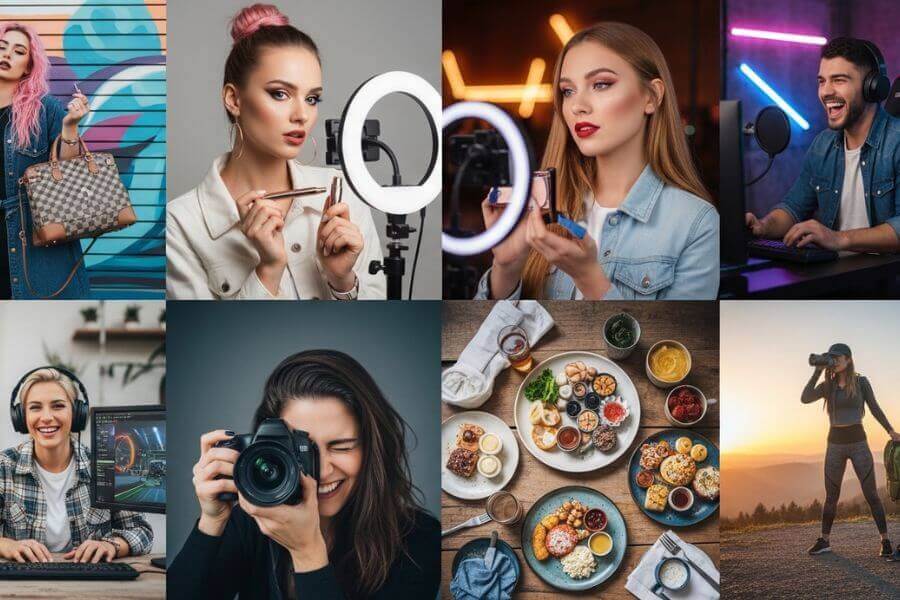
Influencer marketing continues to drive powerful results for ecommerce businesses in 2026. From Shopify stores to Amazon FBA brands, leveraging influencers helps build trust, boost brand awareness, and increase conversions. With consumers relying heavily on authentic recommendations, a smart influencer strategy can significantly improve ROI. Below are the top 10 influencer marketing strategies for ecommerce businesses to scale sales and strengthen brand loyalty.
1. Micro-Influencer Partnerships
Partnering with micro-influencers (10,000-100,000 followers) is one of the most effective influencer marketing strategies for ecommerce businesses. These creators often have highly engaged, niche audiences who trust their recommendations. Unlike mega influencers, micro-influencers deliver stronger engagement rates and more affordable collaboration costs. Ecommerce brands in beauty, fashion, fitness, and tech see higher conversion rates through authentic product reviews and lifestyle content. Platforms like Instagram and TikTok are ideal for discovering creators aligned with your customer profile. Use affiliate links and tracked discount codes to measure performance and scale partnerships based on results.
2. Affiliate Commission Models
Affiliate-based influencer marketing ensures you only pay for measurable results. By offering influencers commission through unique tracking links or discount codes, ecommerce businesses create performance-driven partnerships. This motivates influencers to promote products genuinely and consistently. Platforms like Shopify integrate easily with affiliate apps to monitor sales attribution and payouts. Brands that use commission structures often see stronger ROI compared to flat-fee campaigns. This strategy works especially well for fashion, supplements, and beauty ecommerce stores. Clear communication, competitive commission rates, and transparent tracking dashboards help build long-term, scalable affiliate programs.
3. User-Generated Content (UGC) Repurposing
Influencer-created content is valuable beyond social media. Repurpose unboxing videos, tutorials, and product reviews as user-generated content (UGC) on product pages, email campaigns, and paid ads. UGC builds powerful social proof, reducing hesitation and cart abandonment. Embedding influencer videos directly on Shopify or WooCommerce product pages increases time-on-site and boosts conversion rates. Additionally, backlinks from influencer blogs or YouTube channels can support ecommerce SEO efforts. This strategy maximizes the value of every collaboration, ensuring content drives traffic, builds credibility, and enhances your brand’s digital presence across multiple marketing channels.
4. Exclusive Discount Campaigns
Providing influencers with exclusive, time-sensitive discount codes creates urgency and encourages immediate purchases. Flash sales, limited offers, and influencer-only deals make followers feel part of an exclusive community. Ecommerce businesses can amplify these promotions through email newsletters and retargeting ads featuring influencer testimonials. This multi-channel approach increases conversion opportunities while reinforcing brand trust. Tracking each influencer’s code helps measure campaign performance and optimize future promotions. When executed strategically, discount campaigns can drive short-term revenue spikes while also attracting new customers who may convert into long-term repeat buyers.
5. Social Media Takeovers
Social media takeovers allow influencers to manage your brand account temporarily, offering behind-the-scenes content, Q&A sessions, or live product demos. This approach injects authenticity and fresh perspective into your ecommerce brand. Followers enjoy direct interaction, which increases engagement and brand relatability. Fashion and lifestyle brands often use takeovers to showcase new product launches or limited collections. Promote the takeover in advance to maximize attendance and engagement. By linking directly to product pages during live sessions, ecommerce businesses can turn engagement into immediate sales while strengthening community relationships.
6. Niche and Local Collaborations
Targeting niche or local influencers enables ecommerce businesses to reach highly specific audiences with strong purchase intent. Whether it’s vegan skincare, sustainable fashion, or regional streetwear, niche influencers connect deeply with followers who share similar interests. For Korean ecommerce brands, collaborating with K-pop fan communities or local trendsetters can deliver culturally resonant campaigns. Local partnerships also help businesses test new markets affordably. Because these audiences are tightly aligned with product offerings, conversion rates are typically higher than broad campaigns. Precision targeting makes niche influencer marketing both cost-effective and scalable.
7. Seasonal and Themed Campaigns
Aligning influencer collaborations with seasonal trends and major shopping events boosts relevance and visibility. Valentine’s Day gift guides, Black Friday promotions, and holiday bundles perform exceptionally well with influencer-driven content. Themed campaigns tap into existing consumer buying intent, increasing the likelihood of conversions. TikTok trends and Instagram Reels challenges can further amplify reach during peak seasons. Ecommerce brands should plan campaigns in advance to secure top creators before busy periods. By combining trend-based content with limited-time offers, seasonal influencer marketing generates traffic surges and maximizes revenue during high-demand windows.
8. Long-Term Brand Ambassadorships
Building long-term relationships with influencers creates consistency and deeper brand trust. Rather than one-off sponsored posts, ambassador programs foster authentic storytelling over months or years. Audiences perceive ongoing partnerships as more genuine, increasing purchase confidence. Ecommerce brands can offer subscription-style commissions, early access to new products, and exclusive perks to ambassadors. Repurpose ambassador content across PPC ads, landing pages, and loyalty programs for compounded impact. Over time, brand ambassadors become recognizable faces associated with your store, strengthening brand identity and delivering sustained ecommerce growth.
9. Video and Live Content Focus
Short-form video and live streaming dominate ecommerce engagement in 2026. Influencers excel at showcasing products through Reels, TikTok videos, and live shopping events. Demonstrations, tutorials, and real-time Q&A sessions reduce buyer hesitation and provide social validation. Embedding influencer videos on product pages enhances user experience and improves conversion rates. Live commerce events can generate immediate spikes in sales by combining entertainment with limited-time offers. Prioritizing video-based influencer marketing ensures your ecommerce brand remains competitive in visually driven platforms where consumers prefer immersive, interactive content.
10. Performance Tracking and Optimization
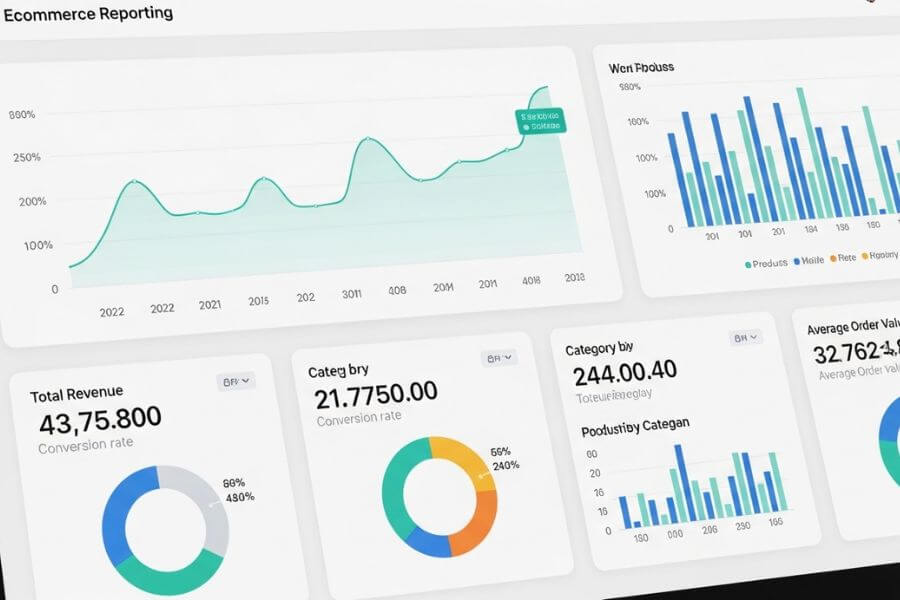
Successful influencer marketing strategies rely on data-driven optimization. Use tools like Google Analytics, Shopify reports, and affiliate tracking software to measure key metrics such as ROAS, EPC (earnings per click), and conversion rates. UTM parameters help attribute traffic accurately across campaigns. Regularly A/B test influencer creatives, messaging, and discount structures to refine performance. Ecommerce businesses that track and analyze campaign results can reinvest in top-performing influencers while eliminating underperforming partnerships. Continuous optimization ensures sustainable growth, stronger ROI, and scalable influencer marketing success.
Conclusion
Influencer marketing remains one of the most effective growth strategies for ecommerce businesses in 2026. By combining micro-influencer partnerships, affiliate models, UGC, video content, and data-driven optimization, brands can increase conversions and maximize ROI. The key is building authentic relationships and tracking measurable results. When executed strategically, influencer marketing not only boosts short-term sales but also strengthens long-term brand trust and customer loyalty in today’s competitive ecommerce landscape.