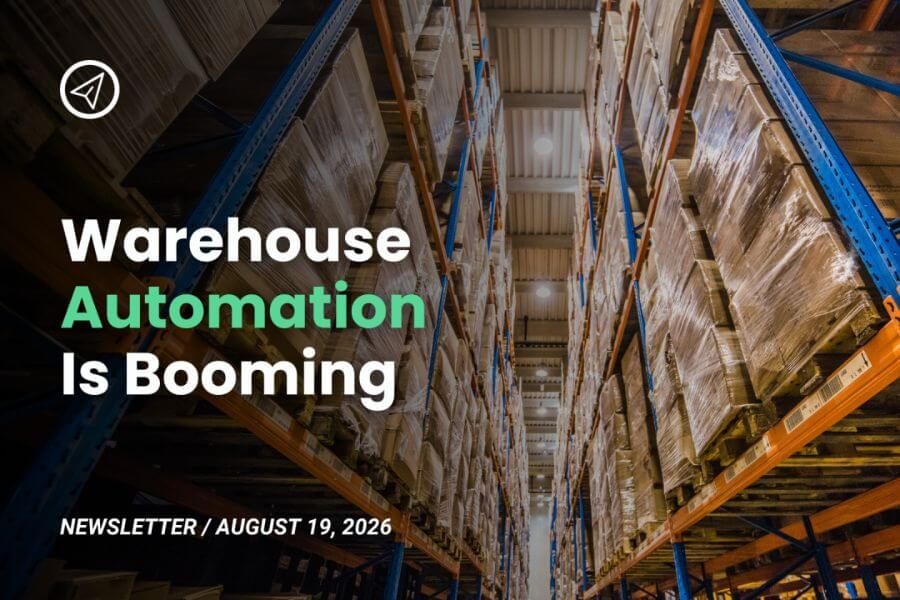

As businesses across the U.S. continue to manage rising customer expectations, tighter delivery windows, and increasingly complex supply chains, warehousing has become much more than a place to store inventory.
For growing companies, the right warehousing setup can be a serious competitive advantage. Whether you are expanding into new states, increasing e-commerce sales, supporting retail partners, or improving B2B distribution, your warehouse operations need to be built for scale.
Here are the key warehousing features that can help your business grow efficiently and confidently.
1. Strategic U.S. warehouse locations
Location matters. A warehouse in the right region can reduce shipping times, lower transportation costs, and improve customer satisfaction.
For U.S.-based businesses, this may mean using warehouses near major logistics hubs, ports, highways, or population centers. Facilities located close to key markets can help companies offer faster delivery across the country, especially when serving customers on both the East and West Coast.
A strong warehousing strategy should support where your customers are today and where your business plans to grow next.
2. Scalable storage capacity
Growth is not always predictable. Seasonal spikes, product launches, retail promotions, and new customer contracts can all create sudden demand.
That is why scalable storage is essential. A warehouse should be able to accommodate changes in volume without forcing your business into long-term commitments that no longer fit.
Flexible storage options help businesses avoid paying for unused space during slower periods while still having the ability to expand when demand increases.
3. Real-time inventory visibility
You cannot scale what you cannot see.
Real-time inventory tracking gives businesses accurate visibility into stock levels, order movement, and warehouse performance. This helps reduce overselling, stockouts, delays, and manual errors.
For U.S. companies managing multiple sales channels, such as Shopify, Amazon, Walmart Marketplace, retail distribution, or wholesale accounts, inventory visibility is especially important. A clear view of stock across all channels helps teams make faster, smarter decisions.
4. Efficient pick, pack, and ship operations
As order volume increases, small inefficiencies become expensive.
A warehouse built for scale needs reliable pick, pack, and ship processes that can handle higher order volumes without sacrificing accuracy. This includes organized product locations, barcode scanning, quality checks, and streamlined packing workflows.
The result is faster fulfilment, fewer mistakes, and a better customer experience.
5. Technology integration
Modern warehousing depends on connected systems.
Your warehouse should integrate with your e-commerce platforms, order management systems, transportation providers, and accounting tools. This reduces manual data entry and gives your team a more accurate view of the business.
For scaling companies, technology integration can also improve reporting, automate workflows, and support better planning across sales, operations, and finance.
6. Nationwide fulfilment capability
Customers across the U.S. expect fast, reliable delivery. Businesses that rely on a single warehouse may struggle to meet those expectations as they grow.
A warehousing partner with nationwide fulfilment capabilities can help businesses reach more customers faster. Distributed inventory across multiple regions can shorten transit times, reduce shipping costs, and improve delivery consistency.
This is especially valuable for companies expanding from regional sales to national distribution.
7. Returns management
Returns are a major part of doing business, particularly in e-commerce.
A scalable warehouse should have a clear returns process, including inspection, restocking, refurbishment, disposal, or reporting. Efficient returns management helps protect margins and improves the customer experience.
When returns are handled properly, businesses can recover more value from returned goods and keep inventory data accurate.
8. Compliance and security
As businesses scale, compliance becomes more important.
Depending on the products being stored, companies may need warehousing that supports specific requirements, such as food-grade storage, climate control, lot tracking, serial number tracking, or regulated product handling.
Security is also critical. Features such as access control, surveillance, inventory audits, and secure storage areas help protect products and reduce risk.
9. Data and performance reporting
The best warehouse operations provide more than storage and shipping. They provide insight.
Performance reporting can help businesses track order accuracy, fulfilment speed, inventory turnover, shipping costs, and return rates. These metrics make it easier to identify bottlenecks, control costs, and plan for future growth.
For leadership teams, warehouse data can support better decisions across the entire business.
What’s next?
Scaling a business in the U.S. requires more than increasing sales. It requires operational systems that can keep up with demand.
Warehousing plays a major role in that growth. With the right locations, technology, inventory visibility, fulfilment processes, and reporting, businesses can reduce friction, serve customers better, and expand with confidence.