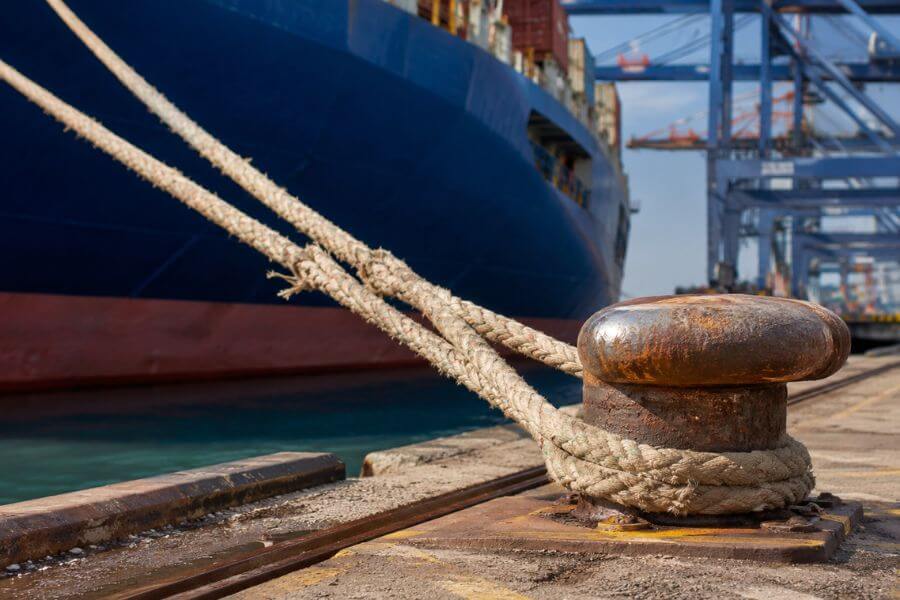
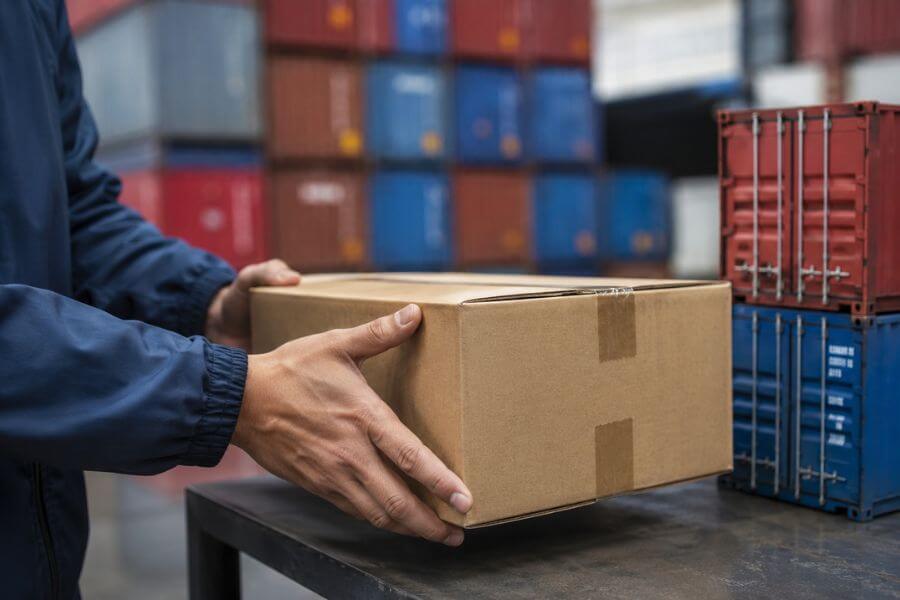
A Non-Resident Importer (NRI) is a business or individual that imports goods into another country without having a physical presence in that country. The NRI model has become increasingly popular as companies expand internationally and sell products across borders without opening local offices or warehouses.
If you plan to sell products internationally, understanding how a Non-Resident Importer works can help you simplify customs procedures, improve customer satisfaction, and gain more control over your supply chain.
In this guide, you will learn what a Non-Resident Importer is, how it works, its benefits, challenges, requirements, and best practices for success.
Quick Summary Table
| Topic | Description |
|---|---|
| NRI Meaning | A company or individual importing goods into a country without being physically located there |
| Main Purpose | Allows international businesses to sell directly into foreign markets |
| Responsibilities | Customs clearance, duties, taxes, compliance, and import documentation |
| Common Markets | Canada, United States, Australia, Europe, and other countries with NRI programs |
| Key Benefit | Greater control over the customer experience and import process |
| Main Challenge | Managing compliance and tax obligations in another country |
| Typical Users | Ecommerce sellers, manufacturers, wholesalers, and distributors |
| Required Documents | Commercial invoice, customs forms, tax registrations, and shipping documents |
What Is a Non-Resident Importer (NRI)?
A Non-Resident Importer is a company or individual that imports goods into a country while operating from another country.
Instead of relying on a local customer or distributor to act as the importer, the foreign company takes responsibility for the import process itself.
For example, a company located in South Korea may sell products directly to customers in Canada. Rather than requiring Canadian buyers to handle customs clearance and import taxes, the Korean company can become the Non-Resident Importer and manage the import process on behalf of its customers.
This creates a smoother buying experience and gives the seller more control over shipping and customs procedures.
How Does a Non-Resident Importer Work?
The NRI acts as the official importer of the goods entering the destination country.
The process typically works as follows:
- The seller receives an international order.
- The seller prepares export and shipping documents.
- The seller arranges transportation.
- The seller acts as the importer in the destination country.
- Customs authorities review the shipment.
- Duties and taxes are paid.
- Goods are released for delivery.
- The final customer receives the products.
Because the seller remains responsible for the import process, customers usually experience fewer delays and unexpected charges.
Why Businesses Use the NRI Model
Many businesses choose the Non-Resident Importer model because it removes barriers to international sales.
Some common reasons include:
- Better customer experience
- Faster customs clearance
- Improved delivery predictability
- Greater control over landed costs
- Simplified international expansion
- Competitive advantage in foreign markets
- Reduced burden on customers
Instead of asking buyers to navigate customs requirements, the seller handles the process from start to finish.
Key Responsibilities of a Non-Resident Importer
When you act as an NRI, you assume many of the same responsibilities as a local importer.
These responsibilities may include:
Customs Compliance
You must ensure that imported products comply with local laws and regulations.
This may involve:
- Product safety requirements
- Labeling standards
- Restricted product regulations
- Import permits
- Industry-specific certifications
Payment of Duties and Taxes
The NRI is often responsible for:
- Customs duties
- Import taxes
- Value-added tax (VAT)
- Goods and Services Tax (GST)
- Other government fees
Import Documentation
Accurate documentation is essential.
Common documents include:
- Commercial invoice
- Packing list
- Bill of lading
- Air waybill
- Certificate of origin
- Import permits
- Customs declarations
Record Keeping
Many countries require import records to be maintained for several years.
These records may include:
- Shipping documents
- Customs declarations
- Tax records
- Payment confirmations
- Product compliance documents
Benefits of Being a Non-Resident Importer
The NRI model offers several advantages for businesses that sell internationally.
Greater Control Over Customer Experience
You can manage shipping, customs, and delivery directly.
Customers appreciate knowing the total cost before purchase instead of receiving unexpected customs bills after delivery.
Easier Market Expansion
You can enter new markets without immediately opening a local office or establishing a local company.
This lowers expansion costs and reduces risk.
Improved Brand Reputation
A smooth delivery experience helps build trust.
Customers are more likely to buy again when shipments arrive without customs issues.
Better Cost Management
As the importer, you gain more visibility into:
- Freight costs
- Duties
- Taxes
- Customs fees
This helps you price products more accurately.
Increased Sales Opportunities
Many buyers prefer purchasing from businesses that offer a fully managed import process.
This can improve conversion rates and reduce abandoned purchases.
Challenges of Being a Non-Resident Importer
While the NRI model offers many benefits, it also comes with responsibilities and risks.
Regulatory Complexity
Every country has different import rules.
You must stay informed about:
- Customs regulations
- Product restrictions
- Tax requirements
- Documentation standards
Tax Registration Requirements
Some countries require NRIs to register for tax purposes.
Depending on the market, you may need:
- VAT registration
- GST registration
- Import account registration
- Customs identification numbers
Compliance Risks
Incorrect classifications or documentation errors can lead to:
- Customs delays
- Penalties
- Fines
- Shipment seizures
Additional Administrative Work
Managing international compliance often requires:
- Customs brokers
- Freight forwarders
- Tax advisors
- Logistics partners
Countries That Commonly Support NRI Programs
Many countries allow foreign companies to act as importers.
Examples include:
- Canada
- United States
- Australia
- United Kingdom
- Various European markets
Each country has unique requirements, so it is important to review local regulations before beginning NRI operations.
Non-Resident Importer vs Resident Importer
| Feature | Non-Resident Importer | Resident Importer |
|---|---|---|
| Physical Presence | Located outside destination country | Located inside destination country |
| Customs Responsibility | Foreign company | Local company |
| Customer Experience | Usually more seamless | May vary |
| Market Entry Cost | Lower | Often higher |
| Local Business Entity Required | Often not required | Required |
| Import Management | Managed by foreign seller | Managed by local importer |
Who Should Consider Becoming an NRI?
The NRI model is especially useful for:
- Ecommerce Businesses: Online sellers can provide a better purchasing experience by handling customs and import requirements themselves.
- Manufacturers: Manufacturers can sell directly into foreign markets without depending entirely on local distributors.
- Wholesalers: Wholesalers can distribute products internationally while maintaining control over logistics and compliance.
- Direct-to-Consumer Brands: Brands that ship directly to customers often benefit from the predictability that an NRI structure provides.
Best Practices for Non-Resident Importers
To operate successfully as an NRI, follow these best practices.
Understand Local Regulations
Research import requirements before entering a new market.
Pay attention to:
- Product restrictions
- Safety standards
- Tax rules
- Customs procedures
Work With Experienced Partners
Reliable logistics providers can help you navigate international shipping and customs requirements.
Consider working with:
- Customs brokers
- Freight forwarders
- Compliance specialists
- Tax advisors
Maintain Accurate Documentation
Ensure all shipping documents are complete and accurate before goods are shipped.
Even small mistakes can cause delays.
Monitor Regulatory Changes
Import regulations change regularly.
Stay informed about updates that may affect your products or industry.
Calculate Landed Costs Carefully
Include all expenses when pricing products:
- Product cost
- Freight charges
- Customs duties
- Taxes
- Brokerage fees
Accurate landed cost calculations help protect profit margins.
Common Documents Required for NRI Shipments
The exact requirements vary by country, but common documents include:
| Document | Purpose |
|---|---|
| Commercial Invoice | Describes goods and value |
| Packing List | Details shipment contents |
| Bill of Lading | Transportation document for ocean freight |
| Air Waybill | Transportation document for air freight |
| Certificate of Origin | Identifies manufacturing country |
| Import Permit | Required for controlled products |
| Customs Declaration | Provides information to customs authorities |
Is the NRI Model Right for Your Business?
The Non-Resident Importer model can be an excellent solution if you want to expand internationally while maintaining control over the customer experience.
By acting as the importer, you can simplify purchasing for customers, improve delivery predictability, and strengthen your brand’s reputation in foreign markets.
However, success requires careful planning, strong compliance processes, and a clear understanding of local import regulations. Businesses that invest in proper documentation, customs expertise, and reliable logistics partners often gain a significant advantage when selling internationally.
Frequently Asked Questions
Can a small business become a Non-Resident Importer?
Yes. Small businesses can often operate as NRIs if they meet the destination country’s import requirements. Many ecommerce companies use the NRI model to sell internationally without establishing local offices.
Does a Non-Resident Importer need a warehouse in the destination country?
No. In most cases, an NRI does not need to own or operate a warehouse in the destination country. The business can ship goods directly to customers or use third-party logistics providers.
Can a Non-Resident Importer use customs brokers?
Yes. Many NRIs work with customs brokers to help manage import declarations, compliance requirements, and customs clearance procedures.
How does an NRI affect delivery times?
An NRI can often improve delivery times because customs responsibilities are managed proactively. This reduces the likelihood of delays caused by customer-side customs processing.
Can an NRI import all types of products?
Not always. Certain products may require special permits, certifications, inspections, or licenses. Restricted and regulated goods may face additional import requirements depending on the destination country.