International shipping involves many documents, rules, and legal requirements. One of the most important documents used in cross-border road freight is the CMR document. If your business ships goods across countries by truck, understanding how CMR works can help you avoid delays, disputes, and costly mistakes.
Whether you are new to logistics or looking to improve your freight operations, learning about CMR can make international transportation easier and more organized. In this guide, you will learn what CMR means, why it matters in logistics, how it works, and what information it includes.
What Is CMR in Logistics?
CMR stands for the Convention on the Contract for the International Carriage of Goods by Road. It is an international agreement that regulates the transport of goods by road between participating countries.
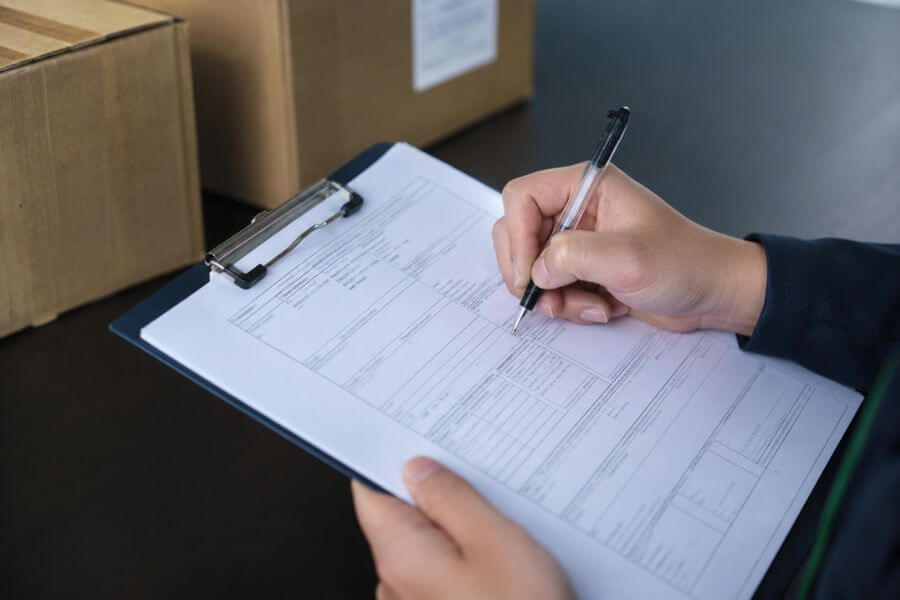
The term “CMR” is also commonly used to describe the official transport document known as the CMR consignment note. This document acts as proof of the shipping agreement between the sender, the carrier, and the receiver.
The CMR system was created to standardize international road freight transport and make shipping procedures more consistent across countries.
Why Is CMR Important?
The CMR document plays a major role in international logistics because it helps all parties involved understand their responsibilities. It creates transparency and reduces confusion during transportation.
CMR is important because it:
- Provides proof of the transport contract
- Lists shipment and cargo details
- Helps customs and border authorities verify freight
- Defines carrier responsibilities and liability
- Reduces disputes between shipping parties
- Improves organization during international transport
Without proper CMR documentation, businesses may face delays, legal issues, or shipment disputes.
How Does a CMR Document Work?
The CMR document is prepared before goods are transported internationally by road. It contains all the important details related to the shipment.
Usually, the sender prepares the document, but the carrier and receiver also review it during the transportation process.
Once completed, the document travels with the goods from pickup to final delivery.
The CMR document normally includes:
- Sender information
- Carrier information
- Receiver information
- Description of goods
- Weight and quantity of cargo
- Pickup and delivery locations
- Transport instructions
- Date of shipment
- Signatures from involved parties
This information helps ensure the shipment is handled correctly throughout the transportation process.
Who Uses the CMR Document?
Several parties involved in international road freight rely on the CMR document.
- Shippers: Shippers use the document to provide cargo information and shipping instructions.
- Carriers: Carriers use the CMR to confirm transport agreements and delivery details.
- Receivers: The receiver checks the document to verify that the shipment arrived correctly.
- Customs Authorities: Customs officials may inspect the CMR document during border crossings to confirm shipment details.
- Insurance Providers: Insurance companies sometimes review the document when handling claims related to damaged or lost cargo.
What Information Is Included in a CMR?
A standard CMR form contains detailed information about the shipment and transportation process.
Common sections include:
- Name and address of the sender
- Name and address of the carrier
- Name and address of the receiver
- Type of goods being shipped
- Packaging details
- Total number of packages
- Gross weight of cargo
- Instructions for customs clearance
- Transport charges and payment terms
- Special handling instructions
Accurate information is extremely important because mistakes can create shipping delays or legal problems.
When Is a CMR Required?
A CMR document is usually required when goods are transported by road between countries that are members of the CMR Convention.
The document applies if:
- The shipment crosses international borders
- Transportation is done by road
- The countries involved participate in the CMR agreement
CMR is commonly used across Europe, but many countries outside Europe also recognize the convention.
Domestic shipments inside one country may not require a CMR unless requested by the carrier or customer.
What Are the Benefits of Using CMR?
CMR provides many advantages for businesses involved in international logistics.
Improved Transparency
The document clearly explains shipment details and transport responsibilities.
Faster Border Processes
Customs authorities can quickly review shipment information during inspections.
Reduced Disputes
CMR helps prevent disagreements by creating a clear record of the transport contract.
Better Shipment Tracking
The document allows all parties to follow shipment progress and delivery status.
Legal Protection
The convention defines carrier liability in case of cargo loss, delays, or damage.
CMR Carrier Liability Explained
One important feature of the CMR system is carrier liability.
Under CMR rules, the carrier is generally responsible for goods from the moment they accept the shipment until delivery is completed.
The carrier may be liable if:
- Goods are damaged during transport
- Part of the shipment is lost
- The shipment is delayed
However, there are exceptions. A carrier may avoid liability if the damage happened because of:
- Poor packaging by the sender
- Incorrect shipment information
- Natural disasters or unavoidable events
- Special risks related to the cargo itself
Understanding liability rules helps businesses reduce financial risk during international shipping.
Electronic CMR (eCMR)
As logistics technology improves, many companies are moving toward electronic CMR systems, also called eCMR.
An eCMR is a digital version of the traditional paper document.
Electronic CMR offers several benefits:
- Faster document processing
- Reduced paperwork
- Real time shipment updates
- Better data accuracy
- Lower administrative costs
- Improved sustainability
Many logistics companies are adopting eCMR to improve efficiency and modernize their transportation operations.
Common Mistakes to Avoid With CMR
Errors in CMR documents can lead to serious problems during transportation.
Some common mistakes include:
- Incorrect cargo descriptions
- Wrong delivery addresses
- Missing signatures
- Incorrect package counts
- Incomplete customs instructions
- Using outdated forms
You can avoid these problems by carefully reviewing all information before the shipment begins.
How CMR Supports International Trade
International trade depends on reliable transportation systems and standardized shipping procedures. CMR helps businesses move goods more efficiently across borders.
By creating common rules for road freight transport, the CMR convention improves trust between trading partners and simplifies international logistics operations.
Businesses that regularly ship goods internationally often rely on CMR to maintain smooth and compliant transportation processes.
Conclusion
CMR is one of the most important documents in international road freight logistics. It provides a legal framework for transporting goods across borders while helping businesses manage shipping responsibilities, documentation, and liability.
Whether you are a shipper, carrier, or receiver, understanding how CMR works can help you improve logistics efficiency and reduce transportation risks. From shipment transparency to legal protection, the CMR system plays a major role in keeping international road freight organized and reliable.
As global logistics continues to evolve, electronic CMR solutions are also making transportation faster and more efficient for businesses around the world.
Frequently Asked Questions About CMR in Logistics
How many copies of a CMR document are usually created?
A standard CMR document is typically created in multiple copies. One copy is kept by the sender, one travels with the goods, and another is kept by the carrier. Additional copies may also be prepared for customs or internal business records.
Can a CMR document be used for dangerous goods?
Yes, dangerous goods can be transported using a CMR document. However, the shipment must also comply with additional safety regulations and include proper hazard information and handling instructions.
What happens if the receiver refuses the shipment?
If the receiver refuses delivery, the carrier usually contacts the sender for further instructions. The goods may be returned, stored temporarily, or redirected depending on the agreement between the parties.
Is a CMR document the same as a bill of lading?
No, they are different documents. A CMR document is mainly used for international road transport, while a bill of lading is commonly used in sea freight transportation.
Can small businesses use CMR documents?
Yes, businesses of all sizes can use CMR documents when shipping goods internationally by road. Small businesses benefit from the added legal protection, shipment clarity, and standardized transport procedures.