Transit plays a major role in the logistics and supply chain industry. Every day, businesses move products between warehouses, distribution centers, stores, ports, and customers. Without reliable transit processes, shipments can be delayed, transportation costs can rise, and customer satisfaction can suffer.
Whether you run a small business or manage a large supply chain operation, understanding transit can help you improve shipping efficiency and keep your operations running smoothly. From road transportation to air freight and ocean shipping, transit affects how quickly and safely goods reach their destination.
In this guide, you will learn what transit means, why it matters in logistics, the different modes of transit, common challenges, and how businesses improve transit performance to reduce delays and costs.
What Is Transit?
Transit refers to the movement of goods, cargo, or people from one location to another. In logistics, transit usually describes the period when products are being transported through the supply chain until they arrive at their final destination.
Transit can involve one or several transportation methods, including:
- Truck transportation
- Rail freight
- Ocean shipping
- Air freight
- Intermodal transportation
For example, a shipment may leave a manufacturing facility by truck, travel by rail across the country, and then be delivered to a retail store by another truck. All these transportation stages are part of the transit process.
Why Transit Is Important in Logistics
Transit is one of the most important parts of supply chain management because it directly impacts delivery performance, operational costs, and customer experience.
Efficient transit management helps businesses:
- Deliver products on time
- Reduce transportation expenses
- Prevent inventory shortages
- Improve customer satisfaction
- Increase supply chain visibility
- Lower the risk of damaged or lost shipments
If transit operations are poorly managed, businesses may experience shipping delays, unhappy customers, higher costs, and disruptions across the supply chain.
For industries that ship temperature-sensitive or perishable products, such as food and pharmaceuticals, efficient transit becomes even more critical. Faster and more reliable transportation helps protect product quality and reduce waste.
Main Types of Transit in Logistics
Road Transit
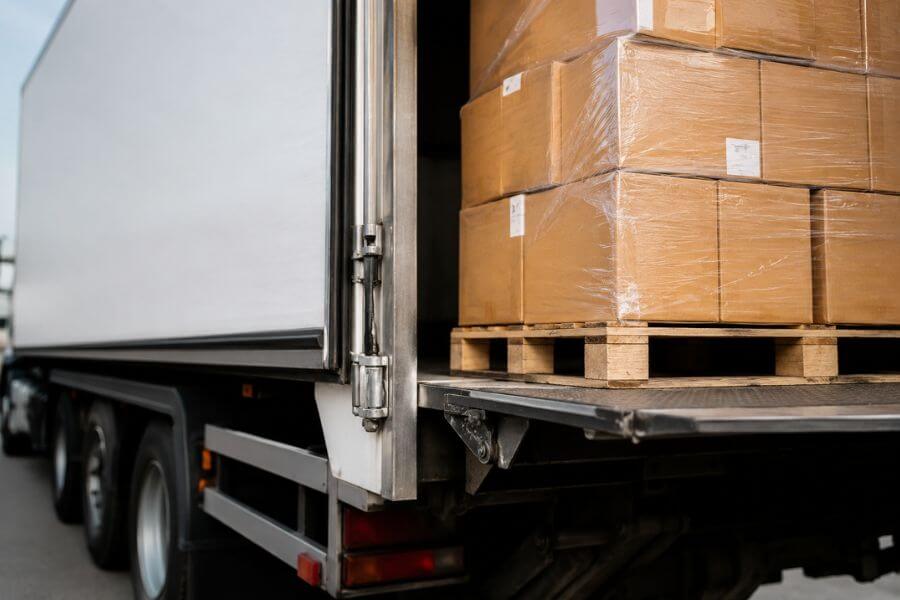
Road transportation is one of the most common transit methods used in logistics. Trucks are flexible and can deliver goods directly to warehouses, stores, and customer locations.
Road transit is commonly used for:
- Regional deliveries
- Last-mile shipping
- Short and medium distance transportation
- Retail distribution
One of the biggest advantages of road transit is flexibility. Trucks can reach locations that other transportation methods may not easily access.
Rail Transit
Rail freight is often used for transporting large volumes of goods over long distances. It is a cost-effective option for businesses shipping bulk products such as raw materials, chemicals, and industrial goods.
Rail transit offers several benefits:
- Lower fuel costs
- Large cargo capacity
- Reduced environmental impact
- Reliable long-distance transportation
However, rail transit may require truck transportation for final delivery since rail lines do not connect directly to every location.
Ocean Transit
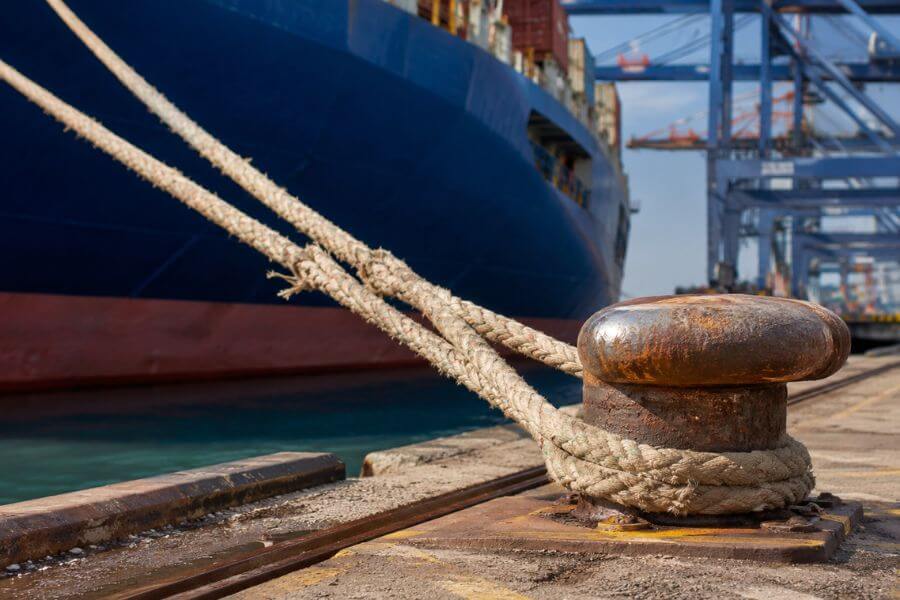
Ocean shipping is widely used for international trade and global supply chains. Cargo ships move large amounts of goods between countries and continents.
Ocean transit is ideal for:
- International shipments
- Bulk cargo
- Heavy equipment
- Containerized freight
Although ocean shipping is usually more affordable than air freight, transit times are much longer. Weather conditions, port congestion, and customs clearance can also affect delivery schedules.
Air Transit
Air freight is the fastest transportation option for goods in transit. Businesses often use air shipping for urgent, high-value, or time-sensitive products.
Air transit is commonly used for:
- Medical supplies
- Electronics
- Emergency shipments
- Perishable goods
The main disadvantage of air transit is cost. Air freight is usually more expensive than road, rail, or ocean shipping.
What Is In-Transit Inventory?
In-transit inventory refers to products that are currently being transported between locations but have not yet arrived at their destination.
For example, if a company ships products from a warehouse to a retail store, those goods are considered in-transit inventory until the shipment is delivered.
Managing in-transit inventory is important because businesses need accurate visibility into where products are located at all times. This helps improve inventory planning and customer communication.
Common Transit Challenges
Transit operations can face many challenges that impact delivery performance and supply chain efficiency.
Weather Delays
Storms, snow, flooding, and other weather conditions can slow down shipments and create transportation disruptions.
Traffic Congestion
Road congestion can increase transit times and fuel costs, especially in busy cities and major shipping corridors.
Port Congestion
International shipments may face delays when ports become overcrowded with cargo containers waiting to be unloaded.
Customs Clearance Delays
Global shipments often require customs inspections and documentation reviews, which can slow transit times if paperwork is incomplete or incorrect.
Carrier Capacity Issues
Limited truck drivers, shipping containers, or transportation equipment can affect shipment availability and delivery schedules.
How Businesses Improve Transit Efficiency
Companies use several strategies and technologies to improve transit operations and reduce transportation delays.
Real-Time Tracking
Modern tracking systems allow businesses to monitor shipments throughout transit. GPS tracking and transportation management systems help companies identify delays quickly and provide customers with accurate delivery updates.
Route Optimization
Route optimization software helps carriers choose the fastest and most efficient transportation routes. This reduces fuel costs, delivery times, and unnecessary mileage.
Strong Carrier Networks
Working with reliable carriers and logistics providers improves transit consistency and delivery performance.
Warehouse Positioning
Businesses often place warehouses closer to major customer markets to reduce shipping distances and shorten transit times.
Intermodal Transportation
Using multiple transportation methods together can improve efficiency and reduce costs. For example, combining rail and truck transportation may lower expenses while maintaining delivery reliability.
The Role of Technology in Transit Management
Technology has transformed modern transit operations. Businesses now use advanced tools to improve supply chain visibility and transportation performance.
Common transit technologies include:
- Transportation management systems (TMS)
- GPS shipment tracking
- Automated route planning
- Inventory management software
- Electronic proof of delivery systems
- Predictive analytics for shipment forecasting
These tools help businesses reduce delays, improve communication, and make faster logistics decisions.
Benefits of Efficient Transit Management
Efficient transit management provides long-term benefits for both businesses and customers.
Key advantages include:
- Faster delivery times
- Lower transportation costs
- Improved customer satisfaction
- Better inventory control
- Reduced product damage
- Greater supply chain visibility
- Higher operational efficiency
Businesses that invest in strong transit operations are better prepared to handle customer demand, transportation disruptions, and changing market conditions.
Conclusion
Transit is a critical part of logistics and supply chain management. It involves moving goods from one location to another using transportation methods such as trucks, rail, ships, and airplanes. Efficient transit operations help businesses reduce costs, improve delivery performance, and keep customers satisfied.
As supply chains continue to grow more complex, companies are investing in better technology, stronger carrier networks, and smarter transportation planning to improve transit efficiency. Whether you manage local deliveries or international shipping operations, understanding transit can help you create a more reliable and cost-effective supply chain.
Frequently Asked Questions
What does transit time mean in logistics?
Transit time refers to the total amount of time it takes for goods to move from the shipping origin to the final destination. It includes the transportation period but may not include warehouse processing or customs delays.
What is the difference between shipping and transit?
Shipping refers to the overall process of moving goods, including packaging, handling, and transportation. Transit specifically refers to the stage when goods are actively moving between locations.
Can transit costs affect product pricing?
Yes. Higher transportation expenses can increase overall supply chain costs, which may lead businesses to raise product prices. Efficient transit management helps reduce shipping expenses and improve profitability.
Why do businesses use intermodal transit?
Businesses use intermodal transit because combining different transportation methods can improve efficiency, lower costs, and reduce environmental impact while maintaining reliable delivery schedules.
How do companies calculate transit performance?
Businesses measure transit performance using metrics such as:
- On-time delivery rates
- Average transit time
- Transportation costs
- Shipment tracking accuracy
- Delivery damage rates
- Customer satisfaction scores