When you ship products internationally, paperwork plays a major role in keeping your goods moving smoothly across borders. One of the most important trade documents you may come across is Form-A. This certificate can help your business reduce customs duties, avoid delays, and qualify for special trade benefits.
If you are involved in importing, exporting, freight forwarding, or supply chain management, understanding Form-A can help you save money and improve your logistics operations. Even small mistakes in trade documentation can lead to costly delays or penalties, which is why learning about Form-A is so important.
In this guide, you will learn what Form-A is, why it matters in logistics, how it works, who needs it, and how your business can use it correctly.
What Is Form-A?
Form-A is a certificate of origin used in international trade. It confirms that goods shipped from one country were manufactured, produced, or processed in that country.
This document is commonly used to help importers receive reduced tariffs or duty exemptions under trade agreements and preference programs. Customs authorities review Form-A to verify whether shipments qualify for special import benefits.
In simple terms, Form-A acts as proof of where your products come from.
Why Form-A Is Important in Logistics
International shipping involves many customs regulations and trade rules. Form-A helps customs officials determine whether goods meet the requirements for reduced import taxes.
Without the correct certificate of origin, businesses may have to pay full customs duties, which can significantly increase shipping costs.
Form-A is important because it helps:
- Reduce customs duties and taxes
- Support faster customs clearance
- Improve international trade compliance
- Lower overall shipping costs
- Strengthen global supply chain operations
- Increase competitiveness in foreign markets
For many businesses, even a small reduction in tariffs can lead to major savings over time.
How Form-A Works
Form-A works by certifying the country of origin for exported goods. When goods arrive at customs in the importing country, authorities examine the document to determine whether the shipment qualifies for preferential tariff treatment.
The process usually works like this:
- The exporter prepares shipment documents.
- The exporter applies for a Form-A certificate.
- The issuing authority verifies the origin of the goods.
- The Form-A certificate is approved and issued.
- The document is submitted during customs clearance.
- The importer may receive reduced tariffs or duty exemptions.
Accurate information is essential throughout this process. Incorrect details can delay customs clearance or cause the shipment to lose trade benefits.
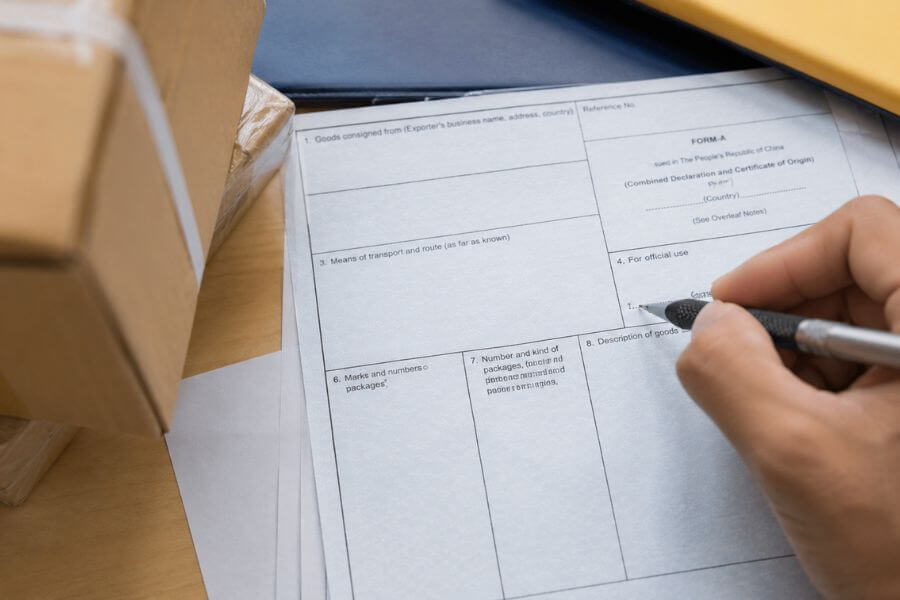
What Information Is Included on Form-A?
Although formats can vary slightly between countries, Form-A usually includes several key details about the shipment.
Common information found on Form-A includes:
- Exporter name and address
- Importer name and address
- Description of goods
- Quantity and weight of products
- Country of origin
- Transportation details
- Invoice number and date
- Official certification and signatures
Every detail must match the commercial invoice and shipping documents to avoid customs problems.
Who Uses Form-A?
Form-A is commonly used by businesses involved in global trade and logistics. Both exporters and importers rely on this document to support international shipments.
Businesses that often use Form-A include:
- Manufacturers
- Export companies
- Import businesses
- Freight forwarders
- Third-party logistics providers
- Customs brokers
- Retail supply chain companies
Industries such as automotive, electronics, textiles, agriculture, and consumer goods frequently use certificates of origin like Form-A.
Benefits of Form-A for Businesses
Using Form-A correctly can provide several important benefits for your business operations.
Lower Shipping Costs
One of the biggest advantages of Form-A is reduced customs duties. Lower tariffs mean lower landed costs for imported goods.
Better Profit Margins
Reducing import taxes can help improve profitability. Businesses can reinvest those savings into operations, inventory, or expansion.
Faster Customs Clearance
Proper documentation helps customs officials process shipments more efficiently. This can reduce delays at ports and borders.
Improved Trade Compliance
Form-A supports compliance with international trade regulations and customs requirements.
Stronger Customer Relationships
Faster deliveries and lower costs can improve customer satisfaction and strengthen long-term business partnerships.
Difference Between Form-A and Other Certificates of Origin
Many businesses confuse Form-A with general certificates of origin. While both documents confirm the origin of goods, Form-A is specifically connected to trade preference programs.
A standard certificate of origin simply states where goods were made. Form-A, however, is used to help qualify goods for reduced tariffs under certain international trade agreements.
This difference is important because customs authorities may apply different rules depending on the type of certificate provided.
Common Challenges With Form-A
Although Form-A can provide major benefits, businesses sometimes face challenges when preparing or submitting the document.
Incorrect Product Information
If product descriptions or quantities do not match other shipping documents, customs officials may reject the certificate.
Incomplete Documentation
Missing signatures, stamps, or supporting paperwork can delay customs clearance.
Country of Origin Errors
Determining the correct country of origin can sometimes be complicated, especially for products manufactured in multiple countries.
Changing Trade Regulations
International trade agreements and customs rules can change over time. Businesses must stay updated to maintain compliance.
Delays in Certificate Approval
Some exporters wait until the last minute to apply for Form-A, which can create shipment delays.
Tips for Managing Form-A Successfully
Managing trade documentation properly can help your logistics operations run more smoothly.
Here are some useful tips:
- Double-check all shipment details before submission
- Keep records organized and easy to access
- Work closely with customs brokers and logistics providers
- Train staff on international trade documentation
- Stay informed about trade agreement updates
- Apply for certificates early to avoid delays
Good documentation practices can reduce risks and improve shipping efficiency.
The Role of Form-A in Global Supply Chains
Modern supply chains depend heavily on international trade. Businesses source raw materials, components, and finished products from many different countries.
Form-A helps make these global supply chains more cost-effective by reducing trade barriers and customs costs. Companies that understand trade documentation often gain a competitive advantage in international markets.
For logistics providers, managing Form-A correctly can improve customer service and support smoother transportation operations.
As global trade continues to grow, understanding certificates of origin will remain an important part of successful logistics management.
Conclusion
Form-A is an important document in international logistics and global trade. It serves as proof of origin for goods and helps businesses qualify for reduced tariffs and duty exemptions under trade agreements.
By using Form-A correctly, your business can lower shipping costs, improve customs clearance speed, maintain compliance, and strengthen supply chain efficiency. Whether you are an exporter, importer, or logistics provider, understanding how Form-A works can help you avoid costly mistakes and improve international operations.
As international trade regulations continue to evolve, staying informed about certificates of origin like Form-A can help your business remain competitive and prepared for global growth.
Frequently Asked Questions
Can Form-A be used for all international shipments?
No. Form-A is only used for shipments that qualify under specific trade agreements or preference programs. Some countries or products may require different certificates of origin.
What happens if Form-A contains incorrect information?
If Form-A includes incorrect details, customs authorities may reject the document, delay the shipment, or remove tariff benefits. In some cases, businesses may also face penalties or additional inspections.
Is Form-A required for both air freight and ocean freight shipments?
Yes. Form-A can be used for different transportation methods, including air freight, ocean freight, rail, and truck shipments, as long as the shipment qualifies for trade preferences.
How long should businesses keep Form-A records?
Record retention rules vary by country, but many businesses keep Form-A and related trade documents for several years to meet customs audit and compliance requirements.
Can digital copies of Form-A be accepted by customs authorities?
Some countries accept electronic trade documents and digital certificates, while others may still require original paper copies. You should always check the customs requirements of the destination country before shipping.