If you run an online store or plan to start one, you have likely heard about D2C or direct-to-consumer fulfillment. This model allows you to sell your products directly to your customers without relying on middlemen like wholesalers or retailers. It gives you full control over your brand, customer experience, and profit margins.
However, D2C fulfillment is more than just shipping orders. It involves inventory management, order processing, packaging, delivery, and customer communication. Understanding how it works can help you build a strong ecommerce business and keep your customers happy.
In this guide, you will learn everything you need to know about D2C fulfillment, how it works, its benefits, challenges, and how to optimize it for your business.
What Is D2C Fulfillment?
D2C fulfillment refers to the process of storing, picking, packing, and shipping products directly from your business to your customers. Unlike traditional retail models, you do not rely on third-party sellers to distribute your products.
In a D2C model, you control every step of the customer journey. From the moment a customer places an order on your website to the moment it arrives at their door, your business is responsible for the entire experience.
How D2C Fulfillment Works
The D2C fulfillment process involves several key steps. Each step plays an important role in ensuring smooth operations and customer satisfaction.
- Order placement: A customer places an order on your website or online store
- Order processing: The system confirms payment and sends order details to your warehouse
- Picking: Warehouse staff locate and collect the ordered items
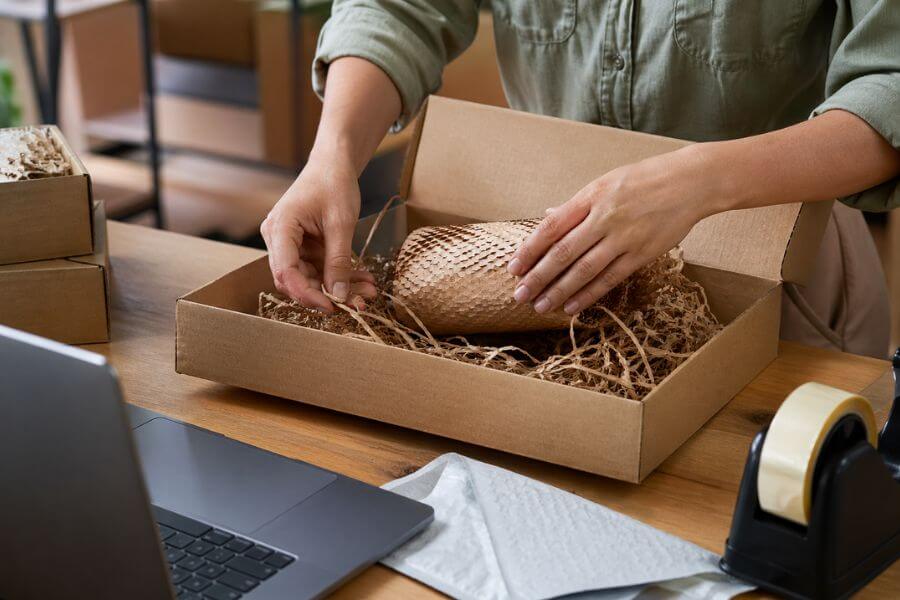
- Packing: Products are packed securely, often with branded packaging
- Shipping: The order is handed over to a courier for delivery
- Delivery: The product reaches the customer
- Returns management: If needed, customers can return or exchange products
Key Benefits of D2C Fulfillment
D2C fulfillment offers several advantages that can help you grow your ecommerce business faster.
1. Full Control Over Customer Experience
You manage how your product is presented, packaged, and delivered. This helps you build a strong and consistent brand image.
2. Higher Profit Margins
By removing middlemen, you keep more of the revenue from each sale. This allows you to invest more in marketing and product development.
3. Direct Customer Relationship
You can communicate directly with your customers. This helps you understand their needs, collect feedback, and build loyalty.
4. Better Data Insights
You gain access to valuable customer data, including buying habits and preferences. This helps you make smarter business decisions.
5. Flexibility and Speed
You can quickly launch new products, run promotions, and adjust your strategy without relying on third parties.
Common Challenges in D2C Fulfillment
While D2C fulfillment has many benefits, it also comes with challenges that you need to manage carefully.
1. Inventory Management
Keeping the right amount of stock is crucial. Too much inventory ties up cash, while too little leads to stockouts.
2. Shipping Costs
Shipping directly to customers can be expensive, especially for international orders.
3. Order Accuracy
Picking and packing errors can lead to returns and unhappy customers.
4. Returns Handling
Managing returns can be time-consuming and costly if not handled properly.
5. Scaling Operations
As your business grows, handling fulfillment in-house can become difficult without proper systems in place.
In-House vs Third-Party Fulfillment
When managing D2C fulfillment, you have two main options. You can handle it yourself or outsource it to a third-party logistics provider.
In-House Fulfillment
- Full control over operations
- Better brand customization
- Requires more time and resources
- Limited scalability
Third-Party Fulfillment (3PL)
- Professional logistics support
- Faster shipping options
- Easier to scale
- Less direct control
Choosing the right option depends on your business size, order volume, and growth plans.
How to Optimize Your D2C Fulfillment Strategy
Improving your fulfillment process can lead to better customer satisfaction and higher profits. Here are some practical tips you can follow.
1. Use Automation Tools
Automate order processing, inventory tracking, and shipping updates to save time and reduce errors.
2. Choose Reliable Shipping Partners
Work with trusted carriers that offer fast and consistent delivery services.
3. Improve Packaging
Use secure and branded packaging to protect products and enhance customer experience.
4. Offer Multiple Shipping Options
Give customers flexibility by offering standard and express delivery options.
5. Manage Inventory Smartly
- Track stock levels in real time
- Forecast demand based on sales data
- Use multiple warehouses if needed
6. Simplify Returns
Create a clear and easy return policy to build trust and reduce customer frustration.
Why D2C Fulfillment Matters for Ecommerce Growth
D2C fulfillment plays a key role in your business success. It directly impacts customer satisfaction, brand reputation, and repeat purchases. Fast and reliable delivery can turn first-time buyers into loyal customers.
In today’s competitive ecommerce market, customers expect quick shipping, accurate orders, and easy returns. If your fulfillment process meets these expectations, your business will stand out.
Conclusion
D2C fulfillment is a powerful model that allows you to take full control of your ecommerce business. By managing your own fulfillment process, you can create a better customer experience, increase profits, and build a strong brand.
However, it requires careful planning and efficient operations. Whether you handle fulfillment in-house or work with a third-party provider, the key is to focus on speed, accuracy, and customer satisfaction. By optimizing your fulfillment strategy, you can support long-term growth and stay ahead in the ecommerce space.
Frequently Asked Questions
What types of businesses benefit most from D2C fulfillment?
D2C fulfillment works best for businesses that sell directly online. This includes:
- Small and medium ecommerce brands
- Subscription box companies
- Custom or handmade product sellers
- Brands building a strong identity
Can small businesses handle D2C fulfillment on their own?
Yes, many small businesses start with in-house fulfillment. You can manage it yourself if your order volume is low. As your business grows, you may consider outsourcing to improve efficiency.
How can I reduce D2C shipping costs?
- Negotiate rates with carriers
- Use regional warehouses
- Offer free shipping with a minimum order value
- Optimize packaging size and weight
What is the role of technology in D2C fulfillment?
Technology helps automate processes and improve accuracy. Common tools include:
- Inventory management systems
- Order management software
- Shipping automation tools
- Tracking and notification systems
How do I choose the right fulfillment strategy?
You should consider your business needs, including:
- Order volume
- Budget
- Growth plans
- Customer expectations
If you want full control, go in-house. If you want scalability and efficiency, consider a third-party provider.