If you run an online store, understanding B2C (Business-to-Consumer) fulfillment is essential. It is the process of storing your products, packing orders, and delivering them directly to your customers. In today’s fast-moving ecommerce world, customers expect quick shipping, accurate orders, and a smooth delivery experience. This means your fulfillment strategy can make or break your business. In this guide, you will learn everything you need to know about B2C fulfillment, how it works, and how you can improve it to grow your ecommerce brand.
What is B2C Fulfillment?
B2C fulfillment is the process of delivering products from your business directly to individual customers. Unlike B2B fulfillment, which deals with bulk shipments to retailers or partners, B2C focuses on smaller, individual orders. These orders are usually placed online and shipped directly to a customer’s home or preferred location.
- Receiving inventory from suppliers
- Storing products in a warehouse
- Picking and packing customer orders
- Shipping orders to customers
- Handling returns and exchanges
How B2C Fulfillment Works
The B2C fulfillment process follows a simple flow, but each step must be done well to ensure customer satisfaction. First, your inventory is sent to a warehouse or fulfillment center. When a customer places an order on your website, the system sends that order to the warehouse. Workers or automated systems pick the correct items, pack them carefully, and ship them using a delivery carrier.
Once the order is shipped, tracking details are shared with the customer. If the customer needs to return the product, the fulfillment process also handles the return, inspection, and restocking if needed.
Key Components of B2C Fulfillment
To run a successful B2C fulfillment operation, you need to focus on several key areas. Each part plays a role in delivering a great customer experience.
Inventory Management
You need to keep track of your stock levels at all times. Running out of stock can lead to lost sales, while overstocking can increase storage costs.
Order Processing
Orders should be processed quickly and accurately. A fast order processing system ensures customers receive their products on time.
Picking and Packing
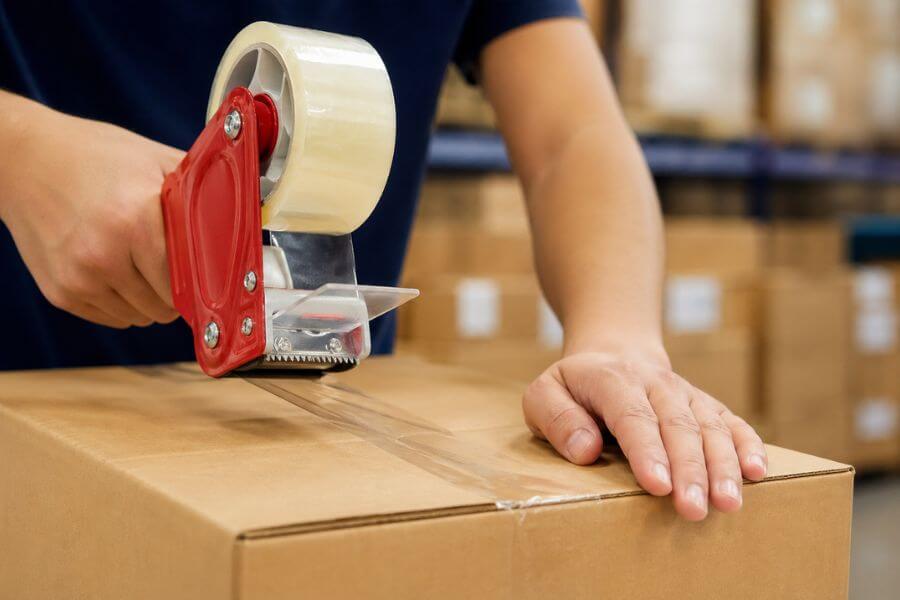
Items must be picked correctly and packed securely. This reduces errors and prevents damage during shipping.
Shipping and Delivery
Choosing the right shipping partners is important. Fast and reliable delivery improves customer satisfaction and builds trust.
Returns Management
A simple return process encourages customers to shop with confidence. You should make returns easy and efficient.
B2C Fulfillment vs B2B Fulfillment
Although both processes involve storing and shipping products, B2C fulfillment is very different from B2B fulfillment. In B2C, you deal with many small orders, while B2B focuses on fewer but larger shipments. B2C also requires faster shipping and more attention to customer experience.
- B2C orders are smaller and more frequent
- B2C requires faster delivery times
- B2C involves more packaging variety
- B2C focuses on individual customer satisfaction
Benefits of Efficient B2C Fulfillment
When your fulfillment process runs smoothly, your business can grow faster. Efficient B2C fulfillment helps you improve customer satisfaction and reduce costs.
- Faster delivery times
- Fewer order errors
- Lower shipping costs
- Better customer experience
- Increased repeat purchases
Common Challenges in B2C Fulfillment
Even though B2C fulfillment offers many benefits, it also comes with challenges. Understanding these issues can help you prepare and avoid problems.
High Customer Expectations
Customers expect fast and free shipping. Meeting these expectations can be difficult, especially for small businesses.
Order Accuracy
Picking and packing mistakes can lead to returns and unhappy customers.
Shipping Costs
Shipping costs can quickly add up, especially for international orders.
Inventory Issues
Poor inventory management can lead to stockouts or excess inventory.
Returns Handling
Managing returns can be time-consuming and costly if not handled properly.
In-House vs Third-Party Fulfillment
You can handle B2C fulfillment in-house or outsource it to a third-party logistics provider. Each option has its own advantages.
In-House Fulfillment
- Full control over operations
- Custom packaging options
- Direct management of inventory
Third-Party Fulfillment
- Scalable operations
- Access to multiple warehouses
- Faster shipping options
- Less operational stress
Choosing the right option depends on your business size, order volume, and growth goals.
Tips to Improve Your B2C Fulfillment
Improving your fulfillment process can lead to better customer satisfaction and higher profits. Here are some practical tips you can follow.
- Use inventory management software
- Offer multiple shipping options
- Automate order processing where possible
- Choose reliable shipping carriers
- Optimize your packaging process
- Track performance metrics regularly
Technology in B2C Fulfillment
Technology plays a big role in modern B2C fulfillment. Many businesses use software and automation tools to improve efficiency. Warehouse management systems help track inventory, while order management systems ensure smooth order processing. Automation can speed up picking and packing, reducing human errors.
Using the right technology allows you to scale your operations and handle more orders without increasing costs significantly.
Why B2C Fulfillment Matters for Ecommerce Growth
Your fulfillment process directly affects your customer experience. Fast delivery, accurate orders, and easy returns can build trust and encourage repeat purchases. On the other hand, slow shipping and mistakes can harm your reputation.
As your ecommerce business grows, your fulfillment strategy must also improve. Investing in better systems and processes can help you stay competitive and meet customer expectations.
Conclusion
B2C fulfillment is a key part of running a successful ecommerce business. It involves everything from storing your products to delivering them to your customers. By understanding how it works and improving each step, you can create a better experience for your customers and grow your business. Whether you choose to manage fulfillment in-house or work with a third-party provider, the goal remains the same. Deliver orders quickly, accurately, and efficiently.
Frequently Asked Questions
What is the main goal of B2C fulfillment?
The main goal is to deliver products to customers quickly and accurately while providing a smooth and reliable shopping experience.
How can small businesses handle B2C fulfillment effectively?
Small businesses can start with simple systems and gradually scale by:
- Using basic inventory tools
- Partnering with reliable carriers
- Outsourcing when order volume grows
What factors affect shipping speed in B2C fulfillment?
Shipping speed depends on several factors, such as warehouse location, order processing time, and the chosen shipping carrier.
Is outsourcing B2C fulfillment worth it?
Outsourcing can be beneficial if you want to save time and scale faster. It allows you to focus on marketing and growing your business.
How can I reduce fulfillment errors?
You can reduce errors by:
- Using barcode systems
- Training staff properly
- Automating order processing
- Double-checking orders before shipping