If you are involved in shipping, warehousing, or ecommerce fulfillment, palletization is something you will encounter often. It plays a major role in how products are stored, handled, and transported safely. Whether you ship large volumes or just want to improve your logistics process, understanding palletization can help you reduce damage, improve efficiency, and lower costs.
Palletization is more than just stacking boxes on a wooden platform. It involves proper planning, correct stacking methods, and choosing the right materials. When done correctly, it makes your supply chain smoother and easier to manage. In this guide, you will learn what palletization is, why it matters, how it works, and how you can use it effectively in your operations.
What Is Palletization?
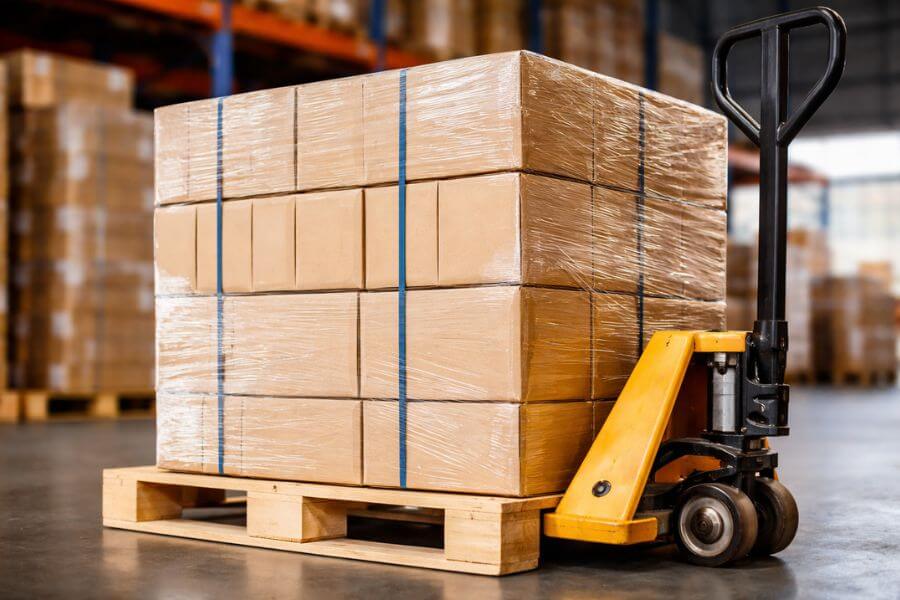
Palletization is the process of placing goods onto pallets so they can be moved, stored, and transported more efficiently. A pallet is a flat structure, usually made of wood, plastic, or metal, that allows forklifts and pallet jacks to lift and move multiple items at once.
Instead of handling individual boxes, palletization allows you to handle many products as one unit. This improves speed and reduces manual labor. It also helps protect goods from damage because properly stacked pallets are more stable than loose cartons.
Why Palletization Is Important in Logistics
Palletization is important because it helps create a more organized and efficient logistics process. Without palletization, warehouses would struggle to move large volumes of products safely and quickly.
Some key benefits of palletization include:
- Faster handling because forklifts can move many boxes at once
- Better product protection through stable stacking
- Improved warehouse organization with standardized storage
- Lower labor costs due to reduced manual handling
- Reduced shipping damage when goods are secured properly
- Better use of space in trucks and warehouses
If you operate an ecommerce fulfillment business or work with a third-party logistics provider, palletization can significantly improve your daily operations.
Common Types of Pallets
Not all pallets are the same. Choosing the right pallet depends on your product type, shipping requirements, and budget.
Here are the most common pallet types you will see:
- Wood pallets: The most common and affordable option. Suitable for most shipping needs.
- Plastic pallets: More durable and resistant to moisture. Often used in the food and pharmaceutical industries.
- Metal pallets: Very strong and used for heavy industrial goods.
- Corrugated pallets: Lightweight and sometimes used for air freight.
Wood pallets remain the industry standard because they are cost-effective and widely accepted by carriers and warehouses.
Standard Pallet Sizes You Should Know
Using standard pallet sizes helps ensure compatibility with trucks, containers, and warehouse racking systems.
Some commonly used pallet sizes include:
- 48 x 40 inches: Standard size in North America
- 1200 x 800 mm: Common European pallet size (Euro pallet)
- 1200 x 1000 mm: Frequently used in Asia and international shipping
Using standard sizes helps you avoid extra handling fees and improves storage efficiency. Many fulfillment providers require shipments to follow standard pallet dimensions.
Basic Palletization Methods
There are different ways to stack boxes on a pallet depending on product weight, size, and fragility. Choosing the right stacking pattern improves stability and reduces the risk of damage.
Common pallet stacking methods include:
- Column stacking: Boxes are stacked directly on top of each other. This method provides strong vertical support but less stability during transport.
- Interlocking stacking: Boxes are arranged in alternating patterns. This improves stability but may reduce stacking strength.
- Brick pattern stacking: Similar to how bricks are laid. This balances strength and stability.
- Pinwheel stacking: Used for mixed-size cartons to improve load balance.
Choosing the correct method depends on whether your priority is strength, stability, or space optimization.
Materials Used to Secure Pallets
After stacking products, securing the pallet is essential to prevent shifting during transport. Proper securing also protects goods from falling or damage.
Common pallet securing materials include:
- Stretch wrap: Plastic film wrapped around the pallet to hold cartons together
- Shrink wrap: Plastic covering that tightens when heated
- Strapping: Plastic or metal bands that secure heavy loads
- Corner boards: Protect box edges and improve stability
- Anti-slip sheets: Help prevent cartons from sliding
Most warehouses use stretch wrap because it is affordable, fast to apply, and effective for most shipments.
Best Practices for Effective Palletization
If you want to improve your palletization process, following some simple best practices can make a big difference.
Here are some important palletization tips:
- Place heavier boxes at the bottom and lighter boxes on top
- Keep the weight evenly distributed
- Avoid overhanging boxes beyond pallet edges
- Use the right amount of stretch wrap
- Keep pallet height within carrier limits
- Label pallets clearly for identification
- Use quality pallets without damage
These small improvements can reduce product damage and improve warehouse safety.
Common Palletization Mistakes to Avoid
Even experienced shippers sometimes make palletization mistakes. Avoiding these errors can save money and prevent delays.
Common mistakes include:
- Using damaged pallets
- Stacking products unevenly
- Ignoring weight limits
- Using too little wrapping material
- Allowing cartons to overhang
- Not securing mixed product sizes properly
Taking time to properly palletize shipments can help you avoid costly claims and customer complaints.
Palletization in Ecommerce Fulfillment
If you run an ecommerce business or work with a fulfillment provider, palletization plays an important role in inbound shipments. Many warehouses require inventory to arrive palletized so it can be received quickly.
Proper palletization can help you:
- Speed up receiving processes
- Reduce check-in delays
- Lower handling fees
- Improve inventory organization
- Prevent stock damage
If you work with a fulfillment partner, always check their pallet requirements before shipping inventory. This helps you avoid extra fees or rejected deliveries.
How Automation Is Changing Palletization
Modern warehouses are increasingly using automation to improve palletization. Robotic palletizers can stack products faster and more consistently than manual labor.
Automation benefits include:
- Consistent stacking quality
- Faster processing speed
- Reduced labor costs
- Improved workplace safety
- Better space utilization
While automation may not be practical for small businesses, it is becoming more common among large logistics providers and distribution centers.
Conclusion
Palletization is a simple but essential part of modern logistics. By organizing goods into stable, manageable units, you can improve shipping efficiency, reduce damage, and lower operational costs. Whether you ship products yourself or work with a logistics partner, understanding proper palletization techniques can make your operations more reliable.
By choosing the right pallets, using proper stacking methods, and securing loads correctly, you can avoid common shipping problems. As your business grows, improving your palletization process can help you scale more smoothly and maintain customer satisfaction. Even small improvements in how you prepare pallets can lead to better logistics performance.
Frequently Asked Questions
How much weight can a standard pallet hold?
A standard pallet can usually hold between 1,500 and 4,600 pounds, depending on its material and condition. Always check pallet ratings and carrier limits before shipping. Exceeding weight limits can cause pallet failure and product damage.
Do all warehouses require palletized shipments?
Not all warehouses require palletization, but many fulfillment centers strongly prefer it. Palletized shipments are faster to receive and easier to store. Some warehouses may charge extra fees for floor-loaded shipments that require manual handling.
Can you reuse pallets?
Yes, pallets can often be reused if they remain in good condition. Many companies repair and reuse wood pallets to reduce costs. Always inspect pallets for cracks, loose nails, or structural damage before reuse.
What is the ideal pallet height for shipping?
Ideal pallet height depends on the carrier, but many recommend keeping pallets under 72 inches, including the pallet itself. Always confirm height limits with your logistics provider to avoid extra handling charges.
Is palletization necessary for small shipments?
Small shipments do not always require palletization. However, if you ship multiple cartons together or send freight shipments, palletization can improve protection and reduce handling risks. It becomes more important as shipment size increases.