Freight forwarding plays a major role in global trade, even if many businesses do not fully understand how it works. If you run an ecommerce business, import products, or ship goods internationally, you will likely work with a freight forwarder at some point. Understanding freight forwarding can help you reduce shipping problems, control costs, and improve delivery speed.
In simple terms, freight forwarding is the process of organizing shipments from one place to another using different transportation methods such as air, sea, rail, or truck. A freight forwarder acts as your logistics partner who manages the complex process so you can focus on running your business. This guide will help you understand what freight forwarding is, how it works, and why it matters for your supply chain.
What Is Freight Forwarding?
Freight forwarding is a service that helps businesses move goods from the manufacturer to the final destination. A freight forwarder does not usually move the cargo themselves. Instead, they coordinate transportation using carriers such as airlines, shipping lines, and trucking companies. Think of a freight forwarder as a travel planner for your cargo. They find the best routes, handle paperwork, and make sure your shipment arrives safely and on time.
If you ship internationally, you already know how complicated logistics can be. There are customs rules, documentation requirements, taxes, and transportation planning involved. Freight forwarders simplify this process by handling these details on your behalf.
How Freight Forwarding Works
The freight forwarding process usually begins when you provide shipment details such as cargo type, weight, dimensions, origin, and destination. The forwarder then plans the best shipping method based on your timeline and budget. After booking transportation, they prepare shipping documents, arrange cargo pickup, and coordinate movement through ports or airports.
During transit, freight forwarders track your shipment and keep you informed of progress. They also help manage delays, customs inspections, or route changes if needed. Once the shipment arrives, they coordinate customs clearance and final delivery. This end-to-end coordination is what makes freight forwarding valuable to businesses that ship regularly.
Key Services Offered by Freight Forwarders
Freight forwarders offer many services beyond simply booking transportation. One important service is customs clearance support. International shipping requires accurate documentation and compliance with import and export rules. Freight forwarders help prepare invoices, packing lists, and certificates needed for smooth customs processing.
They also provide cargo consolidation. This means combining smaller shipments from multiple customers into one larger shipment to reduce costs. Warehousing is another common service. Some freight forwarders store goods before shipping or after arrival to support inventory management. Cargo insurance, shipment tracking, and route optimization are also common services that help protect your goods and improve shipping efficiency.
Types of Freight Transportation
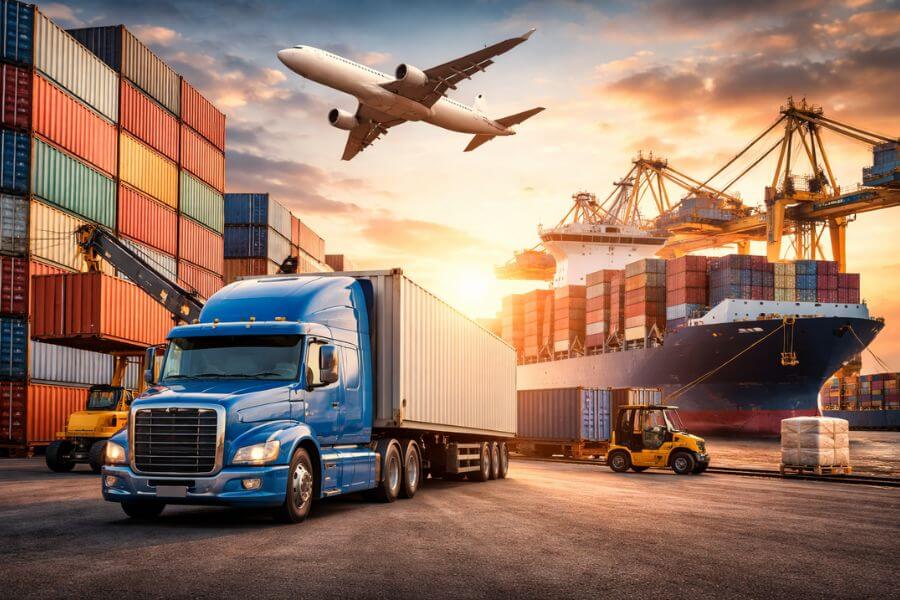
Freight forwarding involves different transportation methods depending on your needs. Ocean freight is often used for large shipments because it is cost-effective. It is ideal if you are shipping large volumes and do not need fast delivery. Air freight is much faster but usually more expensive. Businesses often choose air freight for high-value or urgent shipments.
Ground freight includes trucking and rail transport. This is commonly used for domestic shipping or as part of international shipping after the cargo arrives at a port. Many shipments use multimodal transport, which means combining several transportation types. For example, your shipment might travel by ship, then truck, then rail before reaching the final destination.
Documents Required in Freight Forwarding
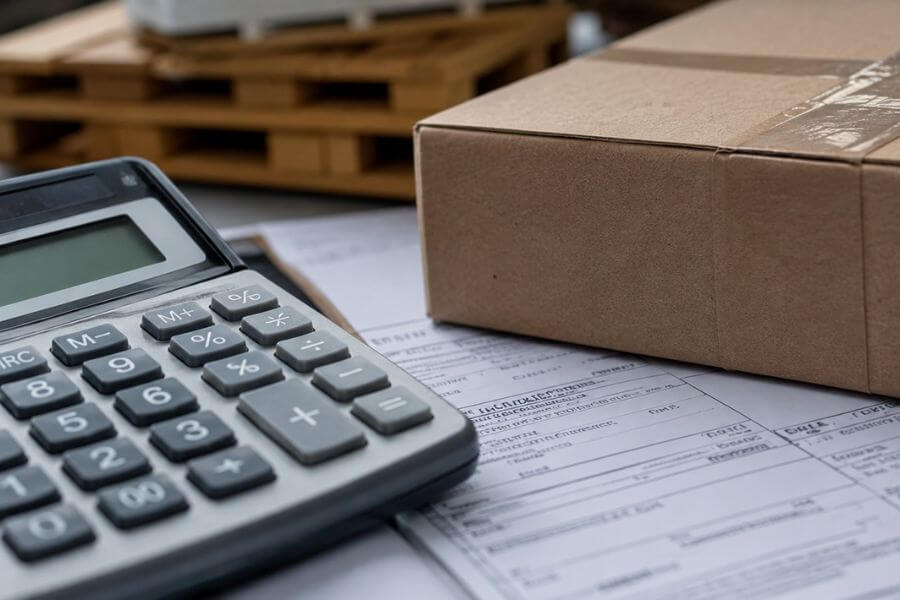
Shipping goods internationally requires proper documentation. Some of the most common documents include the commercial invoice, which lists the value and details of the goods. The packing list provides information about how the cargo is packed. The bill of lading is another important document that serves as proof of shipment and ownership.
You may also need certificates of origin, import permits, or export declarations, depending on the goods and countries involved. Freight forwarders help ensure these documents are accurate because errors can cause delays or penalties. Having an experienced logistics partner reduces the risk of documentation mistakes.
Benefits of Using a Freight Forwarder
Working with a freight forwarder can save you time and reduce stress. Instead of managing multiple carriers and regulations yourself, you have one partner coordinating everything. This allows you to focus on sales, marketing, and customer service instead of logistics problems.
Freight forwarders can also help reduce costs. Because they manage large shipping volumes, they often have better rates with carriers. They can also suggest better shipping strategies, such as consolidating shipments or choosing more efficient routes. Another major benefit is risk reduction. Their experience helps you avoid delays, compliance issues, and shipping mistakes that can harm your business.
Freight Forwarder vs Carrier
It is important to understand the difference between a freight forwarder and a carrier. A carrier is the company that physically transports your cargo. Examples include shipping lines, airlines, and trucking companies. A freight forwarder is the coordinator who arranges transportation with these carriers.
This difference matters because freight forwarders provide flexibility. They are not limited to one transportation provider. Instead, they can compare different options and choose what works best for your shipment. This flexibility often results in better pricing and more reliable delivery planning.
How to Choose the Right Freight Forwarder
Choosing the right freight forwarder can make a big difference in your logistics performance. Start by looking for experience in your industry. Some forwarders specialize in ecommerce, retail, or manufacturing. Choosing someone familiar with your business type can improve results.
You should also evaluate their communication. A good freight forwarder provides clear updates and responds quickly to questions. Technology is another factor to consider. Many modern freight forwarders offer tracking platforms that allow you to monitor shipments in real time. Finally, check their service network. A strong global network often means smoother operations and fewer delays.
Common Challenges in Freight Forwarding
Freight forwarding is not without challenges. Weather disruptions, port congestion, and customs delays can affect shipping timelines. Regulations also change frequently, especially in international trade. This is another reason businesses rely on freight forwarders. Their knowledge helps you prepare for these challenges and respond quickly when problems arise.
Cost fluctuations are another common issue. Fuel prices, demand changes, and global events can impact shipping costs. Freight forwarders often help businesses plan ahead by suggesting alternative routes or shipping schedules to control costs.
Technology in Modern Freight Forwarding
Technology is changing the freight forwarding industry. Many companies now use digital platforms that allow you to book shipments, track cargo, and manage documents online. Automation also helps reduce paperwork errors and improve efficiency.
Data analytics is another important trend. Freight forwarders use data to predict delays, optimize routes, and improve delivery accuracy. This allows you to make better supply chain decisions. As ecommerce continues to grow, technology-driven freight forwarding is becoming more important for businesses that want fast and reliable shipping.
Why Freight Forwarding Matters for Ecommerce Businesses
If you run an ecommerce business, freight forwarding can directly impact customer satisfaction. Faster shipping, fewer delays, and better inventory planning all lead to better customer experiences. Freight forwarders also help ecommerce sellers manage international expansion by handling cross-border logistics.
For example, if you source products from overseas suppliers, a freight forwarder can coordinate factory pickup, international shipping, customs clearance, and delivery to your fulfillment center. This level of coordination helps you maintain steady inventory and avoid stock shortages.
Conclusion
Freight forwarding is a critical part of global logistics that helps businesses move goods efficiently across borders. By coordinating transportation, managing documentation, and solving shipping challenges, freight forwarders make international trade easier and more reliable. Whether you ship occasionally or manage large volumes, understanding freight forwarding helps you make smarter logistics decisions.
If you want to grow your business, working with the right freight forwarding partner can improve delivery performance, reduce risks, and control costs. As global trade continues to expand, freight forwarding will remain an essential service that connects businesses and customers around the world.
Frequently Asked Questions
Do freight forwarders handle small shipments or only large cargo?
Freight forwarders handle both small and large shipments. Many offer consolidation services where your smaller shipment is combined with others to reduce costs. This makes freight forwarding useful even if you do not ship large volumes regularly.
How long does freight forwarding usually take?
The shipping time depends on the transportation method, distance, and customs processing. Air freight may take a few days, while ocean freight can take several weeks. Your freight forwarder can provide estimated transit times based on your shipment details.
Can freight forwarders help with returns shipping?
Yes, some freight forwarders support reverse logistics. This includes managing returned goods, arranging return shipping, and helping businesses restock or dispose of products. This is especially useful for ecommerce businesses handling international returns.
Is freight forwarding only for international shipping?
No, freight forwarders can also support domestic shipping. While they are commonly used for international logistics, many also coordinate domestic transportation, warehousing, and distribution services to improve supply chain efficiency.
Do you need a freight forwarder if you already work with a carrier?
You can work directly with a carrier, but a freight forwarder provides more flexibility and support. They help compare options, manage documents, and solve logistics problems. This can be especially valuable if you ship to multiple countries or use different transportation methods.