If you buy products online, run an ecommerce business, or ship goods internationally, you have probably heard the term freight. Freight is a key part of global trade and supply chains. It refers to the transportation of goods in large quantities by land, sea, or air. Whether you are moving products from a factory to a warehouse or sending inventory to customers around the world, freight plays a major role in making that happen.
Understanding how freight works can help you make better shipping decisions, reduce costs, and avoid delays. This guide explains everything you need to know about freight in simple terms. You will learn what freight means, the different types of freight, how pricing works, and how you can choose the right freight option for your needs.
What Is Freight?
Freight refers to goods that are transported in bulk from one location to another. It usually involves commercial shipments rather than small personal packages. Freight can move through trucks, ships, airplanes, and trains depending on distance, urgency, and cost considerations.
For example, if a business imports 5,000 units of a product from another country, that shipment would typically be considered freight. Freight shipping often involves pallets, containers, or large cargo loads instead of individual boxes. Because of the scale involved, freight shipping requires planning, documentation, and coordination between multiple parties.
Types of Freight Transportation
There are several main types of freight transportation, and each serves a different purpose. Understanding these options helps you choose the best method based on speed, cost, and shipment size.
Ocean Freight
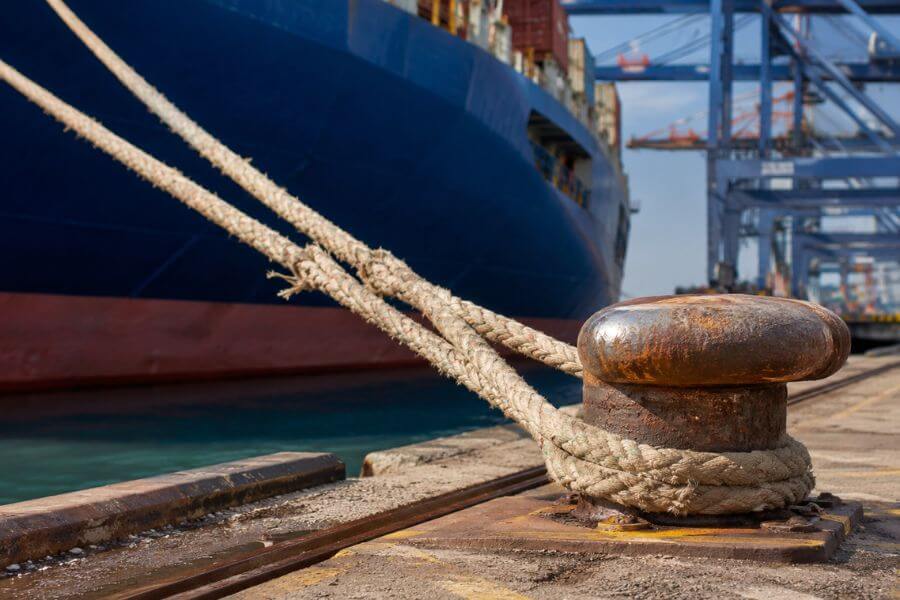
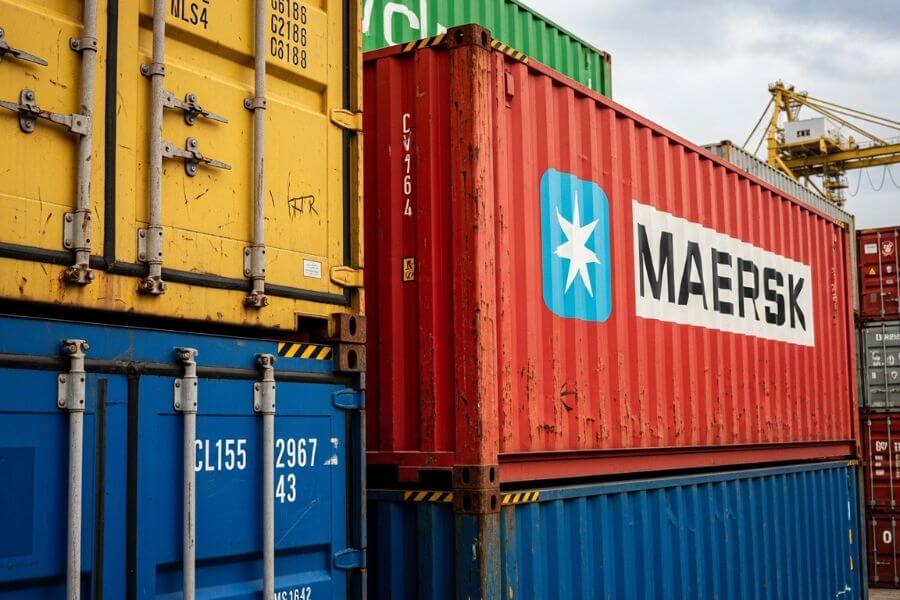
Ocean freight is one of the most common ways to move large shipments internationally. Goods are transported in containers on cargo ships. This option is usually the most affordable for large and heavy shipments, but it also takes the longest time. Businesses often choose ocean freight when they want to reduce shipping costs and do not need fast delivery.
Air Freight
Air freight is the fastest way to ship goods internationally. Cargo is transported by airplane, which makes it ideal for urgent shipments, high-value items, or lightweight products. However, air freight is usually more expensive than other options. Many businesses use air freight when speed is more important than cost.
Truck Freight
Truck freight is commonly used for domestic transportation or regional deliveries. Trucks provide flexibility because they can reach warehouses, fulfillment centers, and retail stores directly. This makes trucking a key part of last-mile delivery and supply chain operations.
Rail Freight
Rail freight is often used for heavy goods and long-distance inland transport. It can be more cost-effective than trucking for certain routes, especially when moving bulk materials. Rail is also considered more fuel-efficient for large shipments.
Common Freight Shipping Terms You Should Know
Freight shipping involves many industry terms that may seem confusing at first. Learning a few basic terms can make the process easier to understand.
Bill of lading is one of the most important documents in freight shipping. It acts as a contract between the shipper and the carrier and also serves as a receipt for the goods. Another important term is freight forwarder, which is a company that helps arrange shipments and handles logistics planning.
You may also hear about customs clearance, which refers to the process of getting approval from government authorities for international shipments. Freight class is another key concept, especially in truck shipping, as it helps determine pricing based on weight, size, and risk.
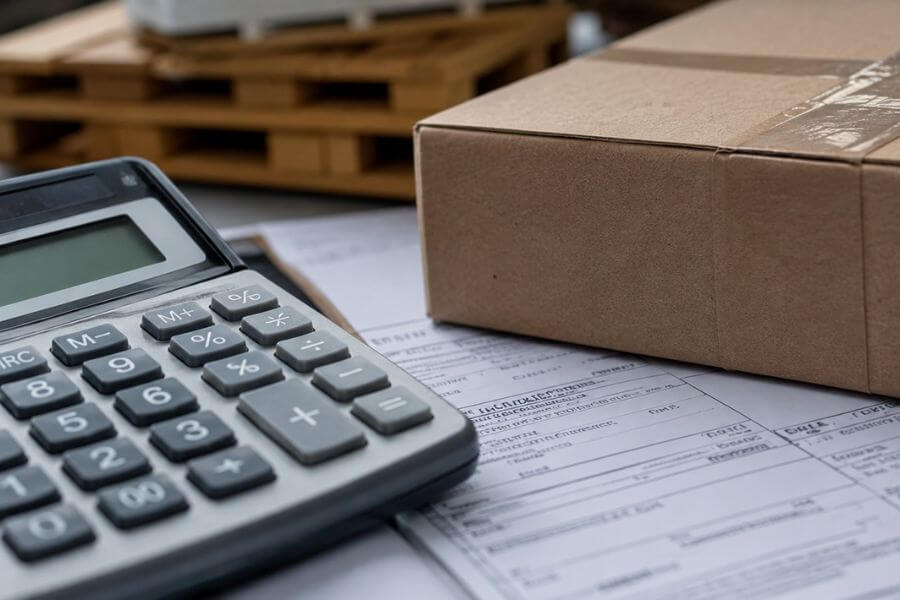
How Freight Costs Are Calculated
Freight pricing depends on several factors. Understanding these factors can help you estimate shipping costs and avoid unexpected charges.
One of the main factors is weight and volume. Carriers often calculate shipping costs based on whichever is greater between actual weight and dimensional weight. Distance also plays a major role since longer routes usually cost more.
Shipping speed also affects pricing. Faster delivery options usually come with higher costs. Fuel prices can also impact freight rates because carriers often apply fuel surcharges. Seasonal demand may also increase costs during busy shipping periods.
Additional services such as insurance, special handling, and residential delivery may also increase the total freight cost. Understanding these extra charges can help you plan your logistics budget more accurately.
The Role of Freight Forwarders
Freight forwarders play an important role in the logistics industry. They act as intermediaries between shippers and transportation providers. Instead of moving the goods themselves, they coordinate the shipping process.
A freight forwarder may help you choose the best carrier, prepare shipping documents, arrange customs clearance, and track shipments. This can be especially helpful if you are shipping internationally and need support with complex regulations.
Working with a freight forwarder can save time and reduce mistakes. Many businesses rely on freight forwarders to simplify shipping operations and improve efficiency.
Freight Packaging and Handling
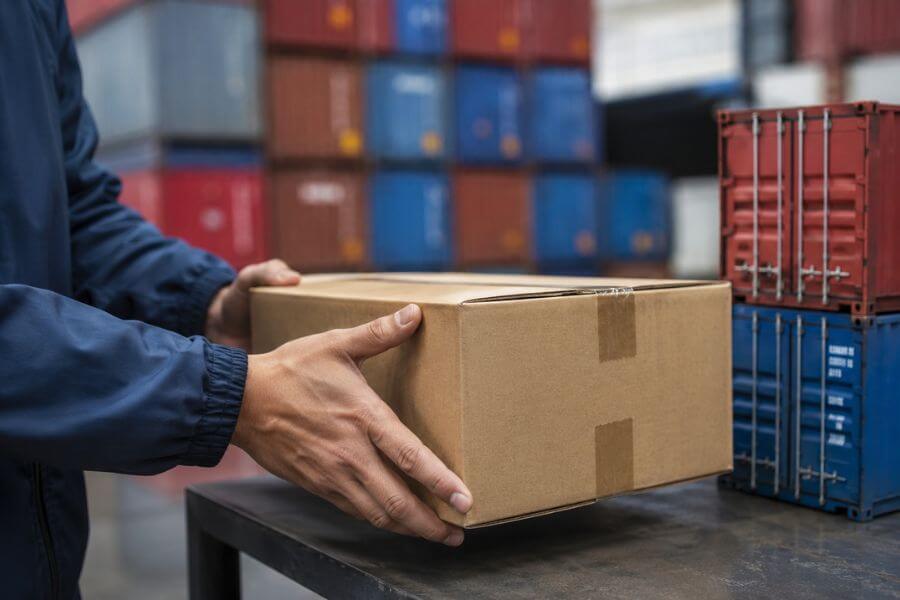
Proper packaging is essential in freight shipping because goods often travel long distances and pass through multiple handling points. Using strong packaging materials helps prevent damage during transportation.
Pallets are commonly used to group shipments together. Shrink wrap and straps help secure products on pallets. For international shipping, wooden packaging may need special treatment to meet import regulations.
Labeling is also important. Clear labels help carriers identify shipments and ensure they reach the correct destination. Including handling instructions, such as fragile or this side up can also reduce the risk of damage.
Freight Insurance and Risk Management
Freight insurance helps protect your shipment against loss or damage. While carriers take precautions, risks such as accidents, weather issues, and handling damage can still happen.
Insurance gives you financial protection if something goes wrong. The cost usually depends on the value of the goods and the level of coverage you choose. Many businesses see freight insurance as an important part of risk management.
It is also helpful to document your shipment before sending it. Taking photos and keeping detailed records can make it easier to file claims if needed.
How Technology Is Changing Freight
Technology is transforming the freight industry in many ways. Digital platforms now allow businesses to compare freight rates, book shipments, and track cargo in real time.
Warehouse management systems and transportation management systems help businesses improve efficiency and reduce errors. Automation is also improving inventory planning and demand forecasting.
Real-time tracking is another major improvement. GPS tracking allows you to see where your shipment is at any time. This improves visibility and helps you plan better.
Tips for Choosing the Right Freight Option
Choosing the right freight option depends on your business needs. Start by considering how quickly you need your shipment delivered. If speed is important, air freight may be the best choice. If cost is your main concern, ocean freight may be better.
You should also consider shipment size and weight. Large shipments often benefit from container shipping, while smaller shipments may work better with consolidated freight services.
Reliability is another important factor. Working with experienced carriers and logistics providers can help reduce delays and improve shipping performance. Comparing multiple quotes can also help you find the best value.
Conclusion
Freight is a critical part of global commerce and modern supply chains. Whether you are moving products locally or internationally, understanding how freight works can help you make smarter logistics decisions. From choosing the right transportation method to understanding pricing and documentation, every step plays a role in successful shipping.
As your shipping needs grow, learning the basics of freight can give you more control over costs, delivery times, and customer satisfaction. By understanding freight options, working with the right partners, and using the right tools, you can build a more reliable and efficient shipping strategy.
Frequently Asked Questions
What is the difference between freight and shipping?
Shipping is a broad term that refers to transporting goods from one place to another. Freight usually refers to large commercial shipments that move in bulk. In simple terms, all freight is shipping, but not all shipping is considered freight because small parcel deliveries are usually not classified as freight.
What is consolidated freight?
Consolidated freight refers to combining multiple smaller shipments into one larger shipment. This allows businesses to share transportation costs. It is often used by companies that do not have enough goods to fill a full container or truck. This method can help reduce costs while still allowing efficient delivery.
How long does freight shipping usually take?
Transit time depends on the shipping method and distance. Air freight may take a few days, while ocean freight may take several weeks. Domestic truck freight may take a few days, depending on the distance. Planning ahead and understanding transit times can help you avoid supply chain disruptions.
Do small businesses use freight shipping?
Yes, small businesses often use freight shipping as they grow. As order volumes increase, freight becomes more cost-effective than parcel shipping. Many small ecommerce businesses use freight to move inventory from manufacturers to fulfillment centers or warehouses.
Can freight shipments be tracked?
Yes, most freight shipments can be tracked using tracking numbers or booking references. Many logistics providers offer online dashboards where you can monitor shipment progress. Tracking improves transparency and helps you respond quickly if delays occur.