If you are involved in shipping products, running an ecommerce business, or managing supply chains, you will often hear the term “carrier in logistics.” A carrier plays a very important role in how goods move from one place to another. Whether you are shipping small parcels to customers or transporting large containers across countries, carriers make the entire logistics process possible. Understanding how carriers work can help you choose better shipping partners, control costs, and improve delivery speed.
In simple terms, a carrier is the company responsible for physically transporting goods. This can include trucking companies, shipping lines, air cargo providers, and even last-mile delivery companies. When you understand how carriers operate and how to choose the right one, you can improve your logistics performance and customer satisfaction. This guide will help you understand everything you need to know about carriers in logistics and why they matter to your business.
What Is a Carrier in Logistics?
A carrier in logistics is a company or service provider that transports goods from one location to another. The carrier is responsible for moving cargo safely and delivering it according to agreed timelines. Carriers can operate locally, nationally, or internationally depending on their network and transportation capabilities. They may specialize in certain types of goods such as refrigerated items, hazardous materials, or oversized cargo.
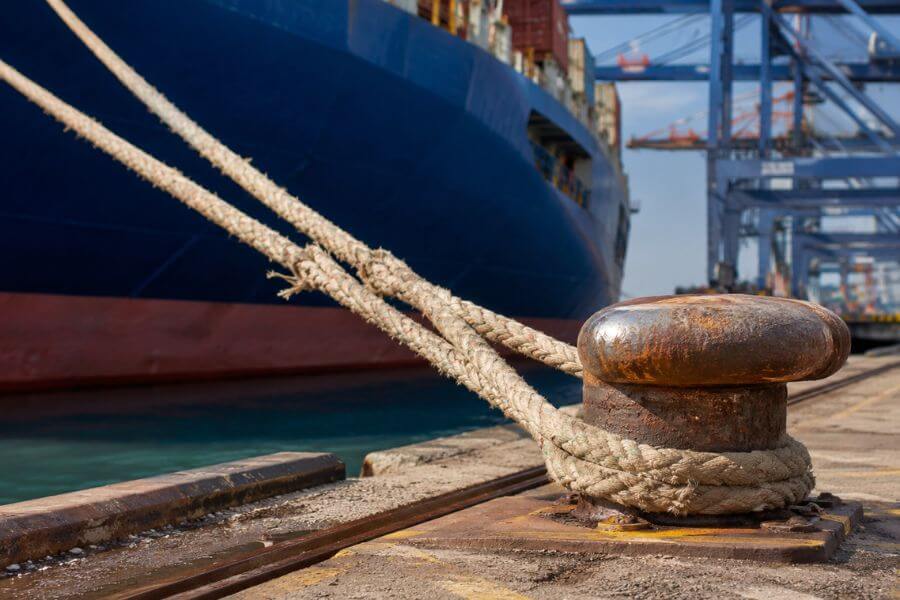
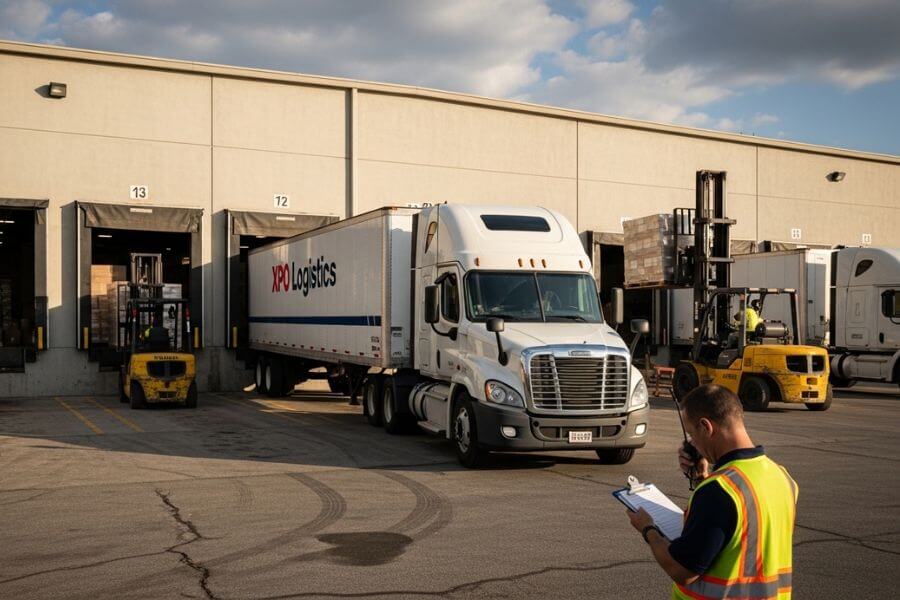
For example, when you ship a package through a courier company, that courier is the carrier. When a container is transported by sea, the shipping line is the carrier. If your products move by truck from a warehouse to a retail store, the trucking company acts as the carrier. In logistics, carriers are essential because they are the link between suppliers, warehouses, and customers.
Types of Carriers in Logistics
There are several types of carriers in logistics, and each one serves a different purpose. Common carriers provide transportation services to the general public and usually follow standard pricing structures. Contract carriers work with specific businesses under negotiated agreements. Private carriers are companies that operate their own transportation fleets to move their own goods.
You will also find carriers based on transportation mode. Road carriers include trucking companies and delivery vans. Ocean carriers operate cargo ships and container vessels. Air carriers move goods through cargo planes. Rail carriers transport goods using freight trains. Each type of carrier offers different advantages depending on cost, speed, and shipment size.
The Role of Carriers in the Supply Chain
Carriers play a key role in keeping supply chains running smoothly. Without carriers, goods would remain stuck at factories or warehouses. Their main responsibility is transportation, but their impact goes beyond simply moving cargo. They help businesses meet delivery deadlines, maintain inventory flow, and satisfy customer expectations.
Carriers also help businesses expand into new markets. By working with international carriers, companies can sell products globally without needing their own transportation networks. Reliable carriers also reduce risks such as delays and damaged shipments. This is why choosing the right carrier is one of the most important logistics decisions you can make.
How Carriers Charge for Their Services
Carrier pricing depends on several factors. The most common factors include shipment weight, size, distance, delivery speed, and transportation method. For example, air freight is usually more expensive than ocean freight because it is faster. Express delivery services also cost more than standard shipping.
Other factors that affect pricing include fuel costs, seasonal demand, and special handling requirements. Some carriers also apply surcharges for remote delivery areas or peak seasons. Understanding how carriers calculate rates helps you compare options and manage your shipping budget more effectively.
Key Services Offered by Logistics Carriers
Carriers often provide more than just transportation. Many offer value-added services that improve logistics efficiency. These services may include tracking systems, delivery confirmation, cargo insurance, and temperature-controlled transport. Some carriers also provide warehousing support or cross-docking services.
Technology is also becoming a major part of carrier services. Many carriers now offer real-time shipment tracking, automated notifications, and data reporting. These features help you stay informed about shipment status and improve customer communication. Choosing a carrier with strong technology support can make your logistics operations more transparent and reliable.
How to Choose the Right Carrier
Selecting the right carrier requires careful evaluation. You should consider reliability, transit time, pricing, service coverage, and customer support. A low-cost carrier may not always be the best option if they have frequent delays. On-time performance and service consistency are often more important than small cost savings.
You should also review a carrier’s experience in your industry. Some carriers specialize in ecommerce deliveries, while others focus on industrial freight. Checking performance records and communication quality can also help you make better decisions. Many businesses work with multiple carriers to reduce risk and improve flexibility.
Common Challenges When Working With Carriers
Working with carriers can sometimes present challenges. Delays caused by weather, customs processes, or traffic can affect delivery times. Capacity shortages during peak seasons can also make it difficult to secure transportation. Cost fluctuations due to fuel prices can also impact shipping budgets.
Communication issues can also create problems. If shipment updates are unclear, it may be difficult to manage customer expectations. To reduce these risks, many businesses build strong relationships with trusted carriers and maintain backup options. Good planning and clear service agreements can help prevent many common logistics problems.
The Importance of Carrier Performance Metrics
Measuring carrier performance is important if you want to improve logistics efficiency. Common metrics include on-time delivery rate, damage rate, transit time accuracy, and cost performance. Tracking these indicators helps you identify which carriers perform well and which ones need improvement.
Many companies review carrier scorecards regularly. These reports help logistics managers decide whether to continue partnerships or make changes. Performance tracking also encourages carriers to maintain high service standards. When you monitor carrier performance, you gain more control over your logistics operations.
The Difference Between Carriers and Freight Forwarders
Many people confuse carriers with freight forwarders, but they have different roles. A carrier physically transports goods. A freight forwarder, on the other hand, arranges transportation on behalf of shippers. Freight forwarders often work with multiple carriers to find the best routes and pricing.
If you work with a freight forwarder, they may select carriers for you. This can simplify logistics management because the forwarder handles coordination. However, the actual transportation is still performed by the carrier. Understanding this difference helps you better understand who is responsible for each part of the shipping process.
Future Trends Affecting Logistics Carriers
Carriers are constantly evolving as logistics technology improves. Automation, artificial intelligence, and route optimization tools are helping carriers improve efficiency. Many carriers are also investing in sustainability by using electric vehicles and fuel-efficient transportation methods.
Another important trend is the growth of ecommerce. As online shopping increases, carriers are expanding last-mile delivery networks and improving delivery speed. Same-day and next-day delivery expectations are pushing carriers to improve operations. Businesses that stay informed about these trends can choose carriers that are prepared for the future.
Conclusion
Carriers are one of the most important parts of logistics because they are responsible for moving goods safely and efficiently. Whether you are shipping locally or globally, the carrier you choose can affect your costs, delivery speed, and customer satisfaction. Understanding the different types of carriers, how they charge, and how they perform helps you make better logistics decisions.
As your business grows, your carrier strategy becomes even more important. Building strong partnerships with reliable carriers can improve supply chain stability and reduce risks. By carefully selecting carriers, monitoring their performance, and staying informed about industry trends, you can build a stronger and more efficient logistics operation that supports long-term business growth.
Frequently Asked Questions
Can a business use more than one carrier at the same time?
Yes, many businesses work with multiple carriers. This approach reduces risk and gives you more flexibility. If one carrier faces delays or capacity issues, you can rely on another. Using multiple carriers can also help you compare pricing and service quality more effectively.
Do carriers provide insurance for shipments?
Some carriers offer basic liability coverage, but it may be limited. Many businesses choose to purchase additional cargo insurance to protect high-value shipments. You should always review carrier liability terms carefully to understand what is covered and what is not.
What documents are usually required when working with a carrier?
Common documents include the bill of lading, commercial invoice, packing list, and shipping labels. International shipments may also require customs documents. Proper documentation helps carriers process shipments correctly and prevents delays during transportation.
How do carriers handle damaged shipments?
If damage occurs, carriers usually require a damage report and supporting photos. Claims must often be submitted within a certain time period. Proper packaging and clear documentation improve your chances of successful claims. It is also helpful to understand the carrier’s claims process before shipping.
What is last-mile delivery and why does it matter?
Last-mile delivery refers to the final step of transportation where goods move from a distribution center to the final customer. This stage is important because it directly affects customer experience. Fast and reliable last-mile carriers help improve satisfaction and reduce delivery complaints.