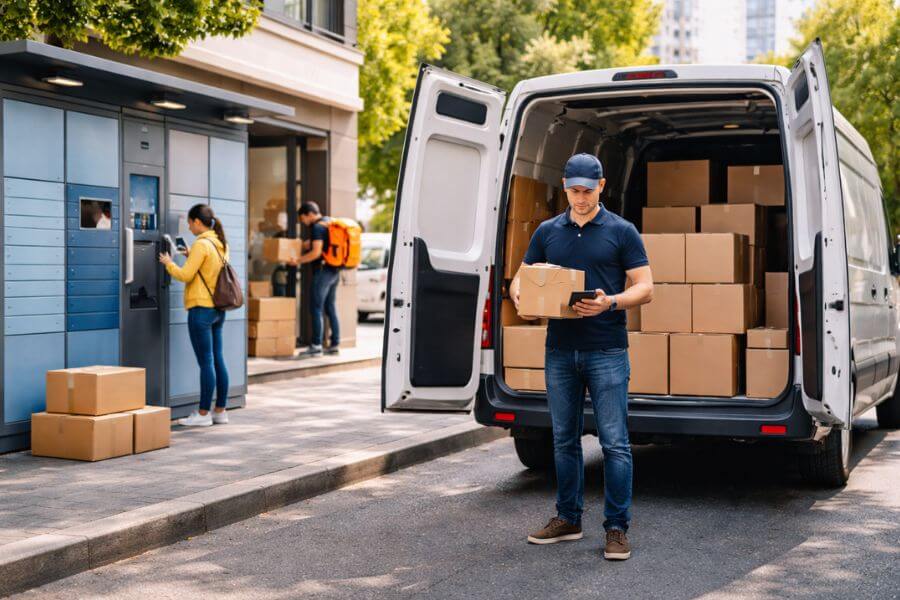
Last-mile delivery is often the most expensive part of the entire supply chain. For ecommerce businesses and logistics providers, reducing these costs without sacrificing customer experience is a constant challenge. From route optimization to smarter warehouse placement, the right strategies can significantly lower delivery expenses while improving efficiency. Companies that invest in better last-mile logistics often see faster deliveries, fewer failed attempts, and happier customers. In this guide, we will explore ten proven last-mile delivery strategies that actually reduce operational costs while keeping your fulfillment process running smoothly and competitively.
1. Use Route Optimization Software
Route optimization software helps delivery teams calculate the most efficient path for each driver, saving both time and fuel. Instead of relying on manual planning, automated systems consider traffic conditions, delivery windows, and driver locations to create smarter routes. This reduces unnecessary mileage and allows more packages to be delivered in fewer trips. Businesses can also respond quickly to unexpected changes such as traffic or weather disruptions. Over time, optimized routes lower fuel consumption, reduce vehicle wear, and improve driver productivity, making this one of the most effective strategies for lowering last-mile delivery costs.
2. Establish Local Micro Fulfillment Centers
Micro fulfillment centers placed closer to customers can dramatically reduce delivery distances and transportation costs. By storing high-demand products in smaller urban warehouses, companies shorten the final leg of delivery. This approach also speeds up shipping times and allows businesses to offer same-day or next-day delivery without excessive cost. Micro fulfillment locations help distribute inventory more efficiently across regions, reducing reliance on a single large warehouse. When implemented strategically, this model improves delivery speed while lowering fuel, labor, and operational expenses associated with long-distance last-mile logistics.
3. Implement Delivery Time Slot Scheduling
Delivery time slot scheduling allows customers to choose specific delivery windows, which helps logistics teams group deliveries more efficiently. When multiple deliveries are scheduled within the same area and timeframe, drivers spend less time traveling between stops. This improves route density and reduces fuel consumption. It also decreases the likelihood of missed deliveries since customers are more likely to be available during their selected time slot. By coordinating deliveries in clusters, businesses can maximize driver productivity while reducing operational costs associated with scattered and inefficient delivery routes.
4. Use Smart Parcel Lockers
Parcel lockers provide a convenient centralized location where multiple packages can be delivered in a single stop. Instead of visiting each home individually, drivers can drop off several packages at one locker hub. Customers then collect their orders using secure access codes. This approach significantly reduces delivery time and eliminates failed delivery attempts. Parcel lockers are particularly useful in apartment complexes, office buildings, and urban areas with high order volumes. By consolidating deliveries into fewer stops, companies lower transportation costs while improving delivery efficiency and customer convenience.
5. Leverage Real-Time Tracking and Data Analytics
Real-time tracking systems allow logistics managers to monitor deliveries and identify inefficiencies in the last-mile process. Data analytics can reveal patterns such as delays, high fuel consumption routes, or repeated failed deliveries. With these insights, businesses can adjust routes, schedules, and driver assignments to improve efficiency. Tracking technology also improves communication with customers by providing accurate delivery updates. When businesses use data to optimize operations, they reduce wasted time, fuel usage, and operational errors, all of which contribute to lower last-mile delivery costs.
6. Offer Pickup Points and Click and Collect Options
Pickup points and click and collect programs allow customers to retrieve their orders from designated locations such as retail stores or partner locations. Instead of delivering to each individual home, logistics providers can deliver multiple packages to a single pickup point. This dramatically reduces the number of delivery stops required. It also eliminates failed delivery attempts because customers collect packages at their convenience. For businesses, this strategy lowers transportation costs, improves route efficiency, and reduces the time drivers spend navigating residential areas.
7. Partner with Local Delivery Networks
Collaborating with local delivery networks can significantly reduce last-mile costs, especially in regions where maintaining your own fleet is expensive. Local courier services already have drivers, routes, and infrastructure in place. By partnering with these providers, businesses can expand delivery coverage without large capital investments. Local partners often have better knowledge of neighborhood routes, which improves delivery speed and accuracy. This flexible approach allows companies to scale operations during peak seasons while keeping transportation and labor costs under control.
8. Use Electric Vehicles for Urban Deliveries
Electric vehicles are becoming an increasingly practical option for last-mile delivery in urban environments. While the initial investment may be higher, electric vehicles typically have lower operating costs compared to traditional fuel-powered vehicles. Electricity is cheaper than gasoline, and electric vehicles require less maintenance due to fewer moving parts. They also allow companies to comply with environmental regulations in cities that limit emissions. Over time, switching to electric delivery vehicles can significantly reduce fuel costs while supporting sustainability goals.
9. Improve Address Verification and Order Accuracy
Incorrect addresses and order errors can create costly delivery delays and repeat delivery attempts. Implementing address verification systems during the checkout process helps ensure accurate delivery information. This reduces failed deliveries and prevents drivers from wasting time searching for incorrect locations. Businesses can also implement barcode scanning and verification systems in warehouses to ensure order accuracy before shipments leave the facility. By minimizing delivery mistakes, companies reduce operational disruptions and avoid unnecessary transportation costs associated with repeated delivery attempts.
10. Consolidate Deliveries with Dynamic Order Batching
Dynamic order batching groups multiple deliveries that share similar routes or destinations into a single trip. Instead of dispatching separate drivers for each order, batching software combines nearby orders into efficient delivery clusters. This increases route density and reduces the total number of trips required. Businesses benefit from lower fuel consumption, improved driver productivity, and faster overall delivery times. Dynamic batching works especially well during high-volume periods when many orders are headed to the same geographic area.
Conclusion
Reducing last-mile delivery costs requires a combination of technology, strategic planning, and operational efficiency. Businesses that invest in smarter routing, localized fulfillment, delivery consolidation, and data-driven logistics can dramatically cut expenses while maintaining strong customer satisfaction. As ecommerce continues to grow, the pressure to deliver quickly and affordably will only increase. By implementing these ten last-mile delivery strategies, companies can create a more efficient delivery network that saves money, improves reliability, and supports long-term scalability.
Frequently Asked Questions
What is last-mile delivery?
Last-mile delivery refers to the final step of the shipping process when a package is transported from a distribution center or warehouse to the customer’s doorstep. It is often the most expensive and complex part of logistics because it involves individual deliveries, urban traffic, and shorter but more frequent transportation routes.
Why is last-mile delivery so expensive?
Last-mile delivery is expensive because it requires many small deliveries rather than large bulk shipments. Drivers must travel through residential areas, deal with traffic, and handle multiple stops. Failed delivery attempts, fuel costs, and labor expenses also contribute significantly to the overall cost of this logistics stage.
How can businesses reduce last-mile delivery costs?
Businesses can reduce last-mile costs by optimizing delivery routes, using micro fulfillment centers, implementing parcel lockers, and consolidating deliveries. Technology such as tracking systems and data analytics also helps identify inefficiencies, allowing companies to improve delivery operations and reduce unnecessary transportation expenses.
What role does technology play in last-mile logistics?
Technology helps optimize routes, track deliveries in real time, and analyze logistics data. Software platforms can identify inefficiencies, improve driver scheduling, and predict delivery delays. These capabilities help companies streamline operations and reduce costs while maintaining accurate delivery timelines and better customer communication.
Are parcel lockers effective for last-mile delivery?
Yes, parcel lockers can significantly reduce delivery costs by consolidating multiple deliveries into a single location. Drivers make fewer stops, which saves time and fuel. Customers can pick up packages at their convenience, which also eliminates failed delivery attempts and improves overall delivery efficiency.
What is a micro fulfillment center?
A micro fulfillment center is a small warehouse located close to customers, typically in urban areas. These facilities store high-demand products and allow faster local deliveries. By reducing the distance between inventory and customers, businesses can lower transportation costs and improve delivery speed.
How does route optimization reduce delivery expenses?
Route optimization software calculates the most efficient delivery paths for drivers. It considers traffic, delivery windows, and geographic clustering to reduce travel time and fuel consumption. By minimizing unnecessary mileage and maximizing delivery efficiency, companies can significantly lower operational costs.
What are pickup points in last-mile delivery?
Pickup points are designated locations where customers can collect their orders instead of receiving home delivery. These locations may include retail stores, lockers, or partner businesses. Delivering multiple packages to one pickup point reduces delivery stops and lowers transportation costs for logistics providers.
Can electric vehicles lower delivery costs?
Electric vehicles can reduce operating costs over time because electricity is typically cheaper than gasoline, and electric engines require less maintenance. For urban deliveries, they also help businesses meet environmental regulations and reduce emissions while maintaining efficient delivery operations.
What is dynamic order batching?
Dynamic order batching groups multiple orders heading to nearby destinations into a single delivery trip. Logistics software identifies clusters of deliveries and assigns them to one driver. This improves route density, reduces travel distance, and lowers fuel and labor costs in last-mile delivery operations.