Intermodal transportation has become one of the most efficient and cost-effective ways to move goods across long distances. As global commerce continues to grow, businesses need reliable shipping methods that balance speed, affordability, and sustainability. Intermodal transportation offers a smart solution by combining multiple modes of transport, such as rail, truck, and ship, without handling the cargo itself during transfers.
For ecommerce companies, manufacturers, and international shippers, understanding how intermodal transportation works can unlock major logistics advantages. This guide explains what intermodal transportation is, how it works, its benefits, challenges, and why it plays such a vital role in modern supply chains.
What Is Intermodal Transportation?
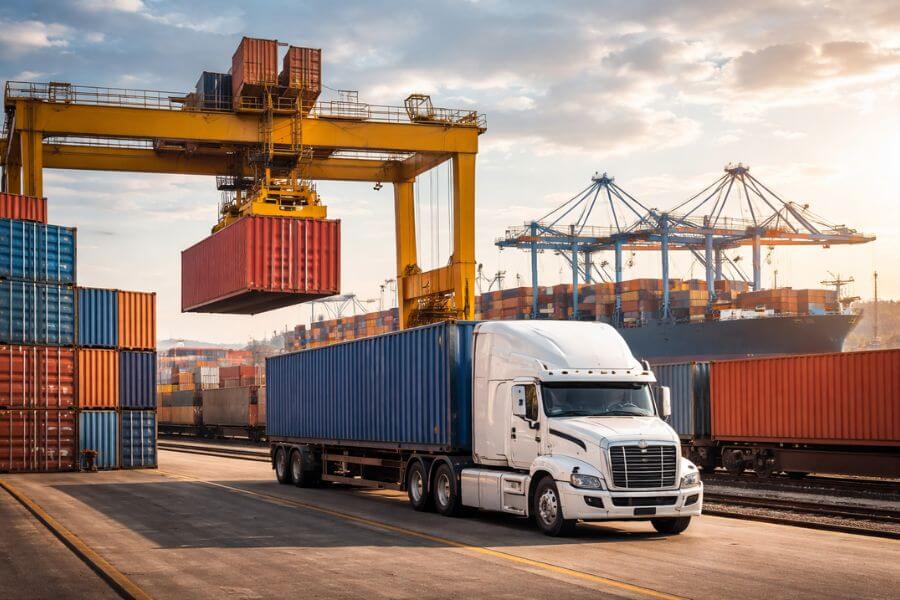
Intermodal transportation refers to the movement of freight using two or more different modes of transportation during a single shipment. These modes typically include trucks, trains, ships, and sometimes airplanes. The cargo remains in the same container throughout the journey, which eliminates the need to unload and reload the goods at each transfer point.
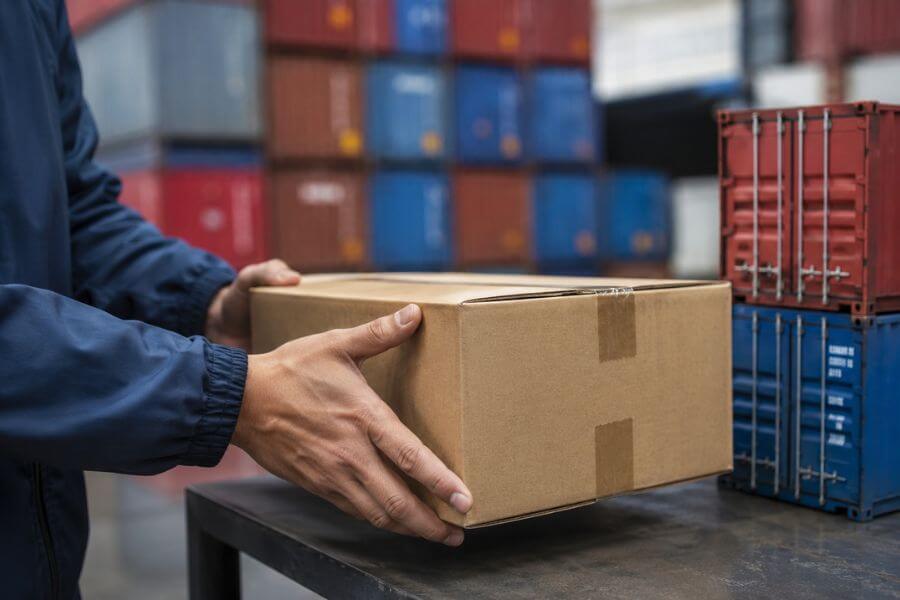
This system relies on standardized containers that can easily move between trucks, railcars, and ships. Because the cargo stays sealed in the container, the risk of damage, theft, or delays is significantly reduced.
How Intermodal Transportation Works
The intermodal shipping process begins when goods are packed into a standardized container. A truck usually handles the first leg of the journey by picking up the container from a warehouse or fulfillment center. The container is then transported to a rail yard, port, or distribution hub.
From there, the container may travel long distances by rail or ocean vessel. Rail transport is especially common for domestic long-distance shipments because it is more fuel-efficient than trucking alone. Once the shipment reaches its destination region, another truck handles the final delivery to the customer or distribution center.
Common Modes Used in Intermodal Transportation
Several transportation modes work together in an intermodal system. Each one plays a specific role depending on the distance, cost considerations, and infrastructure availability.
Trucks are used for short-distance pickups and final delivery. Railways are ideal for long-distance inland transportation due to their efficiency and lower fuel consumption. Ocean vessels handle international freight and large cargo volumes. In some cases, air freight is included for urgent shipments that require faster transit times.
Key Benefits of Intermodal Transportation
One of the biggest advantages of intermodal transportation is cost efficiency. Rail and ocean transport are generally cheaper than long-haul trucking, especially for heavy or large shipments. By combining these modes, companies can significantly reduce overall shipping expenses.
Another benefit is improved environmental sustainability. Rail transport produces fewer emissions compared to trucks, which helps companies lower their carbon footprint. Intermodal shipping also improves cargo security because the goods remain sealed in the same container throughout the journey.
Why Intermodal Transportation Is Growing in Popularity
As supply chains become more global and complex, businesses are searching for flexible logistics solutions. Intermodal transportation provides the flexibility to adapt to different shipping routes, fuel costs, and infrastructure networks.
Advancements in container technology, tracking systems, and port infrastructure have also made intermodal shipping more efficient. Real-time shipment tracking and improved coordination between carriers allow businesses to manage logistics with greater visibility and reliability.
Intermodal vs Multimodal Transportation
Many people confuse intermodal and multimodal transportation, but they are slightly different concepts. In intermodal shipping, each transportation segment is handled by a different carrier and contract. The cargo remains in the same container, but multiple providers may be involved.
In multimodal transportation, a single carrier or logistics provider manages the entire journey under one contract, even though multiple transportation modes are used. Both methods involve different transport types, but the management structure differs.
Challenges of Intermodal Transportation
Although intermodal transportation offers many advantages, it also comes with certain challenges. Coordinating multiple carriers and transportation networks can increase complexity. Delays at ports, rail yards, or transfer points may affect delivery timelines.
Infrastructure limitations in some regions can also restrict intermodal options. Efficient rail networks, ports, and container terminals are essential for smooth operations. Without these facilities, companies may rely more heavily on trucking.
Industries That Benefit Most from Intermodal Shipping
Intermodal transportation is widely used across many industries. Retail and ecommerce businesses rely on it to move inventory across large geographic regions. Manufacturers use it to transport raw materials and finished products efficiently.
Agriculture, automotive, and consumer goods sectors also benefit from intermodal logistics. Any industry that ships high volumes of freight over long distances can reduce costs and improve efficiency with intermodal solutions.
The Future of Intermodal Transportation
The future of intermodal transportation looks promising as global trade continues to expand. Governments and logistics companies are investing heavily in rail networks, port infrastructure, and digital logistics platforms.
Automation, artificial intelligence, and advanced tracking systems are expected to make intermodal operations even more efficient. These technologies will improve route planning, cargo visibility, and overall supply chain performance.
Conclusion
Intermodal transportation has become a cornerstone of modern logistics. By combining trucks, trains, and ships into a single coordinated shipping process, businesses can move goods more efficiently and affordably. The use of standardized containers improves cargo safety while reducing handling and damage risks.
As supply chains grow more global and technology continues to improve logistics infrastructure, intermodal transportation will remain a vital strategy for companies seeking reliable, scalable, and environmentally responsible shipping solutions.
Frequently Asked Questions
What is intermodal transportation in simple terms?
Intermodal transportation is the movement of goods using two or more different types of transportation during a single shipment. Common combinations include truck, rail, and ocean shipping. The cargo stays inside the same container during transfers, which improves efficiency, reduces handling, and lowers the risk of damage or loss.
Why is intermodal transportation important?
Intermodal transportation is important because it allows businesses to move goods efficiently over long distances while reducing costs and environmental impact. By combining different transport methods, companies can take advantage of the strengths of each mode, creating a more reliable and flexible logistics strategy.
What types of containers are used in intermodal shipping?
Standardized shipping containers are used in intermodal transportation. The most common sizes are 20-foot and 40-foot containers. These containers are designed to be easily transferred between ships, trains, and trucks without unloading the cargo inside, which helps streamline the shipping process.
How does intermodal transportation reduce shipping costs?
Intermodal transportation reduces shipping costs by using fuel-efficient transport methods such as rail or ocean shipping for long distances. Trucks are only used for shorter legs of the journey. This combination lowers fuel consumption and transportation expenses while maintaining reliable delivery times.
Is intermodal transportation environmentally friendly?
Yes, intermodal transportation is considered more environmentally friendly than using trucks alone. Rail transport produces fewer greenhouse gas emissions per ton of freight compared to trucking. By shifting long-distance freight to rail or ocean transport, companies can significantly reduce their overall carbon footprint.
What industries commonly use intermodal transportation?
Many industries rely on intermodal transportation, including retail, ecommerce, manufacturing, agriculture, and automotive sectors. Businesses that ship large volumes of goods across long distances often benefit the most from intermodal logistics because it reduces costs while maintaining efficient supply chain operations.
How long does intermodal shipping usually take?
Transit times for intermodal shipping depend on distance, route, and transportation modes involved. While it can sometimes take slightly longer than direct trucking, the cost savings often make it worthwhile. Many companies use intermodal solutions for non-urgent freight that travels long distances.
What is the difference between intermodal and container shipping?
Container shipping refers to transporting goods in standardized containers, usually by ocean vessels. Intermodal transportation refers to the use of multiple transport modes during a shipment. Many intermodal shipments use containers, but the key concept is combining different transportation methods within one logistics process.
Can small businesses use intermodal transportation?
Yes, small businesses can use intermodal transportation through logistics providers and freight forwarders. These companies consolidate shipments and manage transportation across different carriers. This allows smaller shippers to access cost-effective intermodal networks without managing the complex logistics themselves.
What role does technology play in intermodal logistics?
Technology plays a major role in improving intermodal transportation efficiency. Modern tracking systems allow businesses to monitor shipments in real time across multiple transportation modes. Logistics software also helps coordinate carriers, optimize routes, and improve supply chain visibility throughout the entire shipping process.