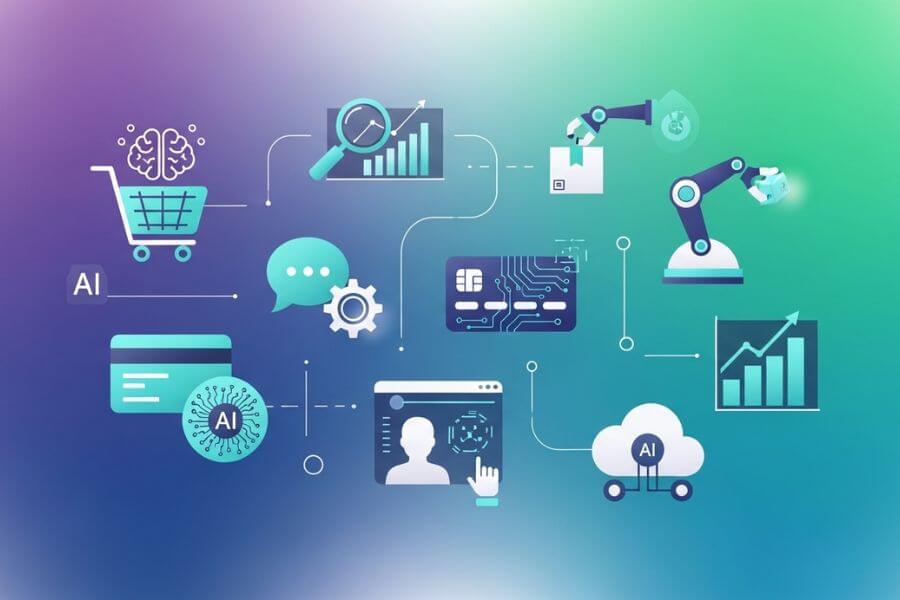
AI is no longer optional in ecommerce. In 2026, it’s the engine behind personalized shopping, automated marketing, smarter pricing, and streamlined logistics. Whether you’re selling Korean skincare, K-pop merchandise, or managing global fulfillment, the right AI tools can save hours and dramatically boost conversions.
Below are 10 must-use AI tools for every ecommerce business, especially helpful for Shopify sellers, Amazon merchants, and fast-growing brands in competitive markets.
1. Shopify Magic & Shopify Sidekick
If you run a Shopify store, Shopify Magic and Sidekick are built-in AI powerhouses. Shopify Magic automatically generates SEO-friendly product descriptions, email campaigns, and blog content based on your store’s real data. Sidekick acts like a conversational ecommerce assistant, helping you analyze performance, suggest improvements, and complete tasks quickly. For Korean skincare sellers or K-beauty exporters optimizing hundreds of listings, this tool saves countless hours. Because it’s native to Shopify, integration is seamless. For ecommerce consultants and small businesses, it’s one of the easiest ways to automate content without extra apps or technical setup.
2. Clerk.io
Clerk.io specializes in AI-driven product recommendations, smart search, and automated email personalization. Its algorithm analyzes customer behavior in real time to recommend relevant products and improve conversion rates. One major advantage is typo-tolerant search, which is perfect for K-pop merchandise stores where customers might misspell idol names. Starting at $119 per month, it supports multiple ecommerce platforms without heavy coding requirements. If your store has a large catalog and you want Amazon-style personalization, Clerk.io significantly boosts discoverability. For growing brands competing in crowded niches, it delivers measurable improvements in sales and customer engagement.
3. Octane AI
Octane AI is best known for interactive Shopify quiz funnels that collect first-party data and personalize recommendations. You can build quizzes based on gender, skin type, budget, or travel preferences, perfect for Korean beauty routines or curated product bundles. Starting at $50 per month, it also includes chatbot integration to engage visitors in real time. In 2026, first-party data is gold, and Octane AI helps you gather it without being intrusive. For ecommerce brands focusing on personalization and retention, quiz funnels can dramatically increase average order value and email subscriber growth.
4. Vue.ai
Vue.ai uses computer vision and artificial intelligence to automate product tagging, catalog organization, and visual search recommendations. This is especially valuable for fashion and cosmetics sellers who rely heavily on visual merchandising. Instead of manually tagging thousands of products, Vue.ai analyzes images and categorizes them automatically. For Korean cosmetics exporters or beauty retailers, accurate image-based recommendations can drive cross-sells and styling suggestions. Pricing is custom, making it ideal for scaling businesses with large catalogs. If your store depends on visuals to convert customers, Vue.ai helps create a smarter and more dynamic shopping experience.
5. Salesforce Einstein
Salesforce Einstein integrates AI directly into CRM workflows, offering predictive lead scoring, product recommendations, and sentiment analysis. For ecommerce companies managing global logistics or B2B clients, it provides deep forecasting insights and automated reporting. Generative AI tools also streamline merchandising and checkout personalization. If you’re shipping K-beauty products across Asia or managing high-volume data, Einstein helps identify sales trends before they happen. While pricing is custom, it’s best suited for data-heavy operations needing advanced analytics. For scaling ecommerce brands that rely on CRM insights, Salesforce Einstein turns raw data into actionable growth strategies.
6. DataHawk
DataHawk is a powerful AI-driven analytics platform designed for Amazon sellers. It tracks keyword rankings, advertising performance, Buy Box trends, and even counterfeit activity. For sellers handling K-pop albums or Korean beauty products on Amazon, monitoring competitors and ad spend is crucial. DataHawk provides anomaly alerts and competitor benchmarking to help you adjust strategies quickly. Pricing is custom, depending on your data needs. If Amazon is a core sales channel, this tool helps you optimize visibility, protect your listings, and maximize ROI. It’s particularly useful for brands navigating aggressive marketplace competition.
7. Klaviyo AI
Klaviyo uses machine learning to segment audiences, predict buyer behavior, and reduce churn through personalized email flows. Its AI helps ecommerce brands tailor campaigns based on browsing history, purchase frequency, and engagement levels. For limited-edition K-drama merchandise drops or fan-based communities, behavior-driven emails can significantly increase open and conversion rates. Klaviyo integrates seamlessly with Shopify and other ecommerce platforms, making automation easy. Pricing varies based on contact list size. If email marketing drives your revenue, Klaviyo’s predictive analytics ensures you send the right message at exactly the right time.
8. Tidio
Tidio’s Lyro AI chatbot automates customer service by answering FAQs, tracking orders, and recommending products. It smoothly escalates complex issues to human agents, maintaining a natural support experience. For ecommerce stores shipping Korean food, skincare, or global packages, 24/7 support is essential. Tidio offers a free tier, making it accessible for small businesses and startups. Its chatbot feels helpful rather than intrusive, which improves customer satisfaction. In competitive ecommerce environments, fast response times directly impact conversion rates. Tidio ensures you never miss a sale because of delayed support.
9. Jasper
Jasper is an AI writing assistant designed for marketers, bloggers, and ecommerce brands. It generates product descriptions, ad copy, email campaigns, and SEO blog posts using customizable templates. If you regularly publish top-10 lists, trend reports, or product roundups, Jasper dramatically reduces content creation time. With a 7-day trial and strong user ratings, it’s ideal for content-heavy ecommerce businesses. For Korean beauty exporters or K-pop merchandise bloggers, Jasper helps maintain consistent publishing schedules while optimizing for search engines. It’s a practical solution for scaling organic traffic without hiring a full content team.
10. Prisync
Prisync focuses on dynamic pricing and competitor monitoring. It tracks competitor prices in real time and helps optimize margins, sometimes increasing profitability by up to 25%. For highly competitive markets like K-beauty or travel accessories, price sensitivity can determine sales success. Prisync automates adjustments while protecting your profit margins. Custom pricing plans suit growing ecommerce brands with multiple SKUs. Instead of manually checking competitors daily, you can rely on automated intelligence. In 2026, pricing strategy is as important as marketing, and Prisync ensures you remain competitive without sacrificing revenue.
Conclusion
AI tools are no longer optional for ecommerce businesses; they’re essential for staying competitive. From personalized product recommendations and automated email marketing to smart pricing and predictive analytics, AI helps brands increase conversions while saving time. Whether you sell K-beauty, K-pop merchandise, or manage global fulfillment, the right AI stack drives efficiency and growth. Start with one or two tools, test strategically, and scale smartly. In 2026, ecommerce success belongs to businesses that automate, personalize, and innovate with AI.