Optimizing ecommerce checkout pages in 2026 is essential as cart abandonment rates continue to hover around 70%. Even small friction points can cost you significant revenue. With mobile-first shoppers, AI-driven personalization, and one-click payments becoming standard, brands must streamline checkout for speed, trust, and convenience. Whether you use Shopify, WooCommerce, or BigCommerce, improving your checkout experience can increase conversions by 20-30%. Below are the top 10 ways to optimize ecommerce checkout pages in 2026 for higher sales and better customer satisfaction.
1. Implement Single-Page Checkout
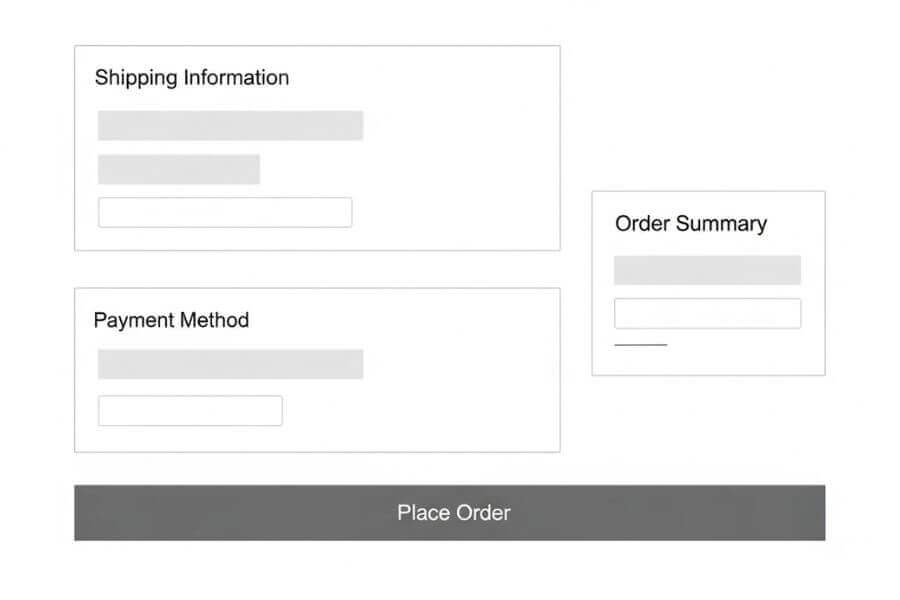
Switching to a single-page checkout reduces friction by consolidating billing, shipping, and payment details into one streamlined, scrollable view. Instead of forcing users through multiple steps, customers can complete their purchase without unnecessary navigation or page reloads. Clear section dividers and collapsible fields keep the layout organized while maintaining simplicity. Studies show single-page checkouts can improve conversion rates by up to 20% compared to multi-step flows. In 2026, shoppers expect speed and clarity, so reducing clicks and keeping everything visible on one page significantly increases the likelihood of completed purchases.
2. Offer Guest Checkout Prominently
Forcing users to create an account before purchasing is one of the fastest ways to increase cart abandonment. In 2026, convenience wins. Make guest checkout the default option and clearly display a “Continue as Guest” button above login prompts. This simple design choice removes a major barrier for first-time or impulse buyers. You can always invite customers to create an account after purchase. Allowing guest checkout reduces friction, speeds up transactions, and captures sales that would otherwise be lost due to unnecessary registration requirements.
3. Minimize Form Fields
Long, complicated forms cause checkout fatigue and abandonment. Limit required fields to essentials such as name, email, shipping address, and payment details, ideally keeping the total between six and eight fields. Remove optional fields like middle names or secondary phone numbers unless absolutely necessary. Use autofill, address auto-detection, and real-time validation to prevent errors and speed up data entry. In 2026, shoppers expect intelligent forms that adapt dynamically. The fewer obstacles customers face, the faster they complete their purchases, leading to higher overall conversion rates.
4. Optimize for Mobile Responsiveness
More than half of ecommerce checkouts now happen on mobile devices, making mobile optimization non-negotiable. Ensure buttons are thumb-friendly, text fields are large enough to tap easily, and CTAs are full-width and highly visible. Avoid clutter and prioritize vertical scrolling over cramped multi-column layouts. Page load speed should remain under three seconds, especially on mobile networks. Test your checkout flow across various devices and screen sizes to guarantee a seamless experience. A mobile-optimized checkout directly reduces abandonment and increases completed transactions.
5. Add Clear Progress Indicators
If your checkout uses multiple steps, display a clear progress indicator such as “Cart > Shipping > Payment > Review.” Progress bars reassure shoppers that they are moving forward and show exactly how many steps remain. This reduces anxiety and perceived complexity, which are common causes of abandonment. Use simple visuals like checkmarks for completed steps and highlight the current stage clearly. In 2026, transparency in the buying journey builds trust and keeps users engaged until the final confirmation page.
6. Integrate Multiple Payment Options
Modern consumers expect flexible payment options. Offer major credit cards alongside express payment methods such as Apple Pay, Google Pay, Shop Pay, and PayPal to enable one-click checkout. For international markets, include local payment gateways like KakaoPay in Korea to match regional preferences. Dynamic payment prioritization based on customer location can further improve completion rates by up to 15-20%. Providing diverse and familiar payment options reduces hesitation, builds confidence, and accelerates the checkout process significantly.
7. Display Trust Signals and Security Badges
Security concerns remain a leading cause of cart abandonment. Display SSL certificates, secure payment icons, money-back guarantees, and return policies near the final purchase button. Trust badges such as “Secure Checkout” or recognizable payment logos reassure customers that their information is protected. Avoid overloading the page with excessive graphics, but place key trust signals strategically near payment fields. In 2026, building confidence during checkout is essential, especially for first-time buyers unfamiliar with your brand.
8. Enable Easy Cart Editing
Customers should be able to adjust quantities, remove items, or change product variants directly within the checkout page. Include inline editing tools and a persistent cart summary sidebar that updates totals in real time. Preventing users from navigating back to the cart page reduces friction and keeps them focused on completing the purchase. Clear visibility of shipping costs, taxes, and discounts also prevents unpleasant surprises at the final step. A flexible checkout experience increases user satisfaction and reduces last-minute drop-offs.
9. Boost Page Speed Ruthlessly
Speed is critical for ecommerce success. Slow-loading checkout pages cause up to 53% of mobile users to abandon their purchase. Compress images, minimize scripts, remove unnecessary third-party apps, and use performance-optimized themes on platforms like Shopify Plus. Defer non-essential JavaScript and leverage browser caching to ensure sub-two-second load times. Regularly audit your checkout page performance using tools like Google PageSpeed Insights. In 2026, fast checkouts are not optional; they are a competitive advantage that directly impacts revenue.
10. Leverage AI Personalization and Smart Upsells
AI-powered checkout personalization is a major ecommerce trend in 2026. Use AI to prefill customer information from past purchases, recommend shipping options based on location, and display relevant upsells such as gift wrapping or complementary products. Personalized CTAs like “Complete Your Purchase, Daniel” increase engagement and trust. Subtle, non-intrusive upsells can increase average order value by 10-15% without disrupting the buying process. Smart AI integrations create a seamless, efficient, and customized checkout experience that drives higher conversions.
Conclusion
Optimizing your ecommerce checkout page in 2026 is essential to reducing cart abandonment and increasing online sales. By simplifying forms, enabling guest checkout, improving mobile responsiveness, adding multiple payment options, and leveraging AI personalization, you create a faster, more secure buying experience. Small checkout improvements can deliver significant conversion gains. Continuously test and refine your checkout strategy to stay competitive and maximize revenue across Shopify, WooCommerce, and other ecommerce platforms.