
The ecommerce industry is undergoing a profound transformation, especially in dense urban areas where consumer expectations are higher than ever. Shoppers living in cities expect fast delivery, convenient service options, and real-time visibility into their orders. At the same time, ecommerce businesses must navigate logistical challenges such as traffic congestion, high real estate costs, and limited warehouse space.
To bridge this gap, a new fulfillment model has emerged: Micro Fulfillment Centers (MFCs).
Micro fulfillment centers are small, automated warehouses strategically located within or near urban centers, designed to handle high order volumes efficiently and rapidly. As a growing number of ecommerce businesses shift to hyperlocal fulfillment strategies, MFCs are proving to be a game-changer.
In this guide, we’ll explore the top 10 advantages of micro fulfillment centers for urban ecommerce, and how they’re redefining last-mile logistics in 2025 and beyond.
1. Dramatically faster last-mile delivery
Last-mile delivery is the final step of the fulfillment process, and often the most time-consuming. In traditional ecommerce logistics, products are stored in massive regional distribution centers located on the outskirts of metropolitan areas or even in rural zones. While this approach keeps warehouse costs down, it also increases the distance to end consumers, leading to longer delivery times.
Micro fulfillment centers solve this problem by placing inventory close to where customers live. Since MFCs are embedded within city environments, often within 10 miles of customers, they significantly reduce delivery windows. This enables same-day, same-hour, or even one-hour delivery for ecommerce orders.
Retail giants like Walmart, Amazon, and Kroger have already implemented MFCs in urban neighborhoods to ensure ultra-fast delivery, setting new standards for consumer expectations.
For urban ecommerce brands, this speed isn’t just a perk; it’s becoming a competitive necessity.
2. Enhanced customer experience and loyalty
In the age of instant gratification, speed equals satisfaction. Faster deliveries made possible by micro fulfillment centers translate directly into higher customer satisfaction, which is crucial for ecommerce success.
A seamless delivery experience contributes to:
- Reduced customer complaints and returns
- Higher net promoter scores (NPS)
- Stronger brand perception
- Increased customer lifetime value (CLV)
According to a PwC survey, 41% of consumers are willing to pay extra for same-day delivery, and nearly 80% say speed is a key factor in their purchasing decision. Micro fulfillment centers enable ecommerce brands to consistently meet or exceed these expectations, which builds trust and fosters long-term loyalty.
Moreover, because MFCs enable better order accuracy and real-time tracking, customers enjoy a smoother, more reliable fulfillment journey from click to doorstep.
3. Significant cost savings in last-mile logistics
The last mile is notoriously inefficient and expensive, often accounting for more than 50% of total shipping costs. Factors like traffic, missed deliveries, and long distances from central warehouses make it one of the most challenging aspects of ecommerce logistics.
Micro fulfillment centers alleviate these issues by bringing inventory closer to end customers, which allows for:
- Shorter delivery routes
- More stops per route
- Lower fuel and labor costs
- Fewer delivery delays
In addition, when MFCs are integrated with route optimization software and real-time traffic data, delivery efficiency increases even more.
Some businesses also combine MFCs with local courier services, bike deliveries, or electric vehicles, further reducing costs and improving delivery density. This helps brands maintain competitive shipping policies (such as free or low-cost delivery) without compromising profitability.
4. Optimized use of limited urban space
Space is at a premium in cities. Traditional fulfillment centers, which can span hundreds of thousands of square feet, simply aren’t feasible in urban cores. Micro fulfillment centers, on the other hand, are designed to operate efficiently within a much smaller footprint, often ranging from 5,000 to 25,000 square feet.
Because of their compact nature, MFCs can be installed in unconventional or underutilized spaces, including:
- The back of existing retail stores
- Parking structures or basements
- Former department stores or shopping mall units
- Urban warehouses or flex industrial spaces
This flexibility allows ecommerce brands and retailers to maximize existing real estate without the need for extensive construction or land acquisition. It also provides the agility needed to respond to consumer demand across different city zones.
In the future, urban logistics hubs may become as common as neighborhood coffee shops and MFCs are leading that charge.
5. Localized inventory management and smart stocking
Micro fulfillment centers aren’t just about speed; they’re about precision. By analyzing localized purchasing behavior, ecommerce businesses can stock each MFC with the exact products customers in that area are most likely to buy.
This strategy enables:
- Highly targeted inventory replenishment
- Fewer out-of-stock scenarios
- Reduced storage and carrying costs
- Better responsiveness to market shifts
For example, a fashion retailer might stock more winter apparel in colder city zones or prioritize sports gear near university districts. By leveraging real-time analytics and predictive demand modeling, ecommerce brands can fine-tune inventory levels at a hyperlocal scale.
Additionally, with AI-powered warehouse management systems (WMS), MFCs can dynamically adjust stock based on seasonal trends, promotional events, and even weather conditions, improving both availability and cost efficiency.
6. Seamless omnichannel fulfillment capabilities
Today’s shoppers expect to buy, pick up, return, or exchange products across multiple channels. Micro fulfillment centers empower ecommerce brands and retailers to support a fully integrated omnichannel strategy, including:
- Buy Online, Pick Up In Store (BOPIS)
- Buy Online, Return In Store (BORIS)
- Same-day delivery
- Curbside pickup
- Ship-from-store fulfillment
By acting as both storage points and mini-distribution hubs, MFCs bridge the gap between digital and physical retail. Retailers can turn stores into hybrid locations, serving walk-in customers and fulfilling online orders simultaneously.
This reduces the need for large centralized warehouses and shortens delivery times while improving inventory visibility across all sales channels. The result is a cohesive shopping experience for customers and operational flexibility for businesses.
7. Advanced automation and technology integration
One of the defining features of modern micro fulfillment centers is their reliance on automation. Unlike traditional warehouses that are labor-intensive, MFCs leverage robotics, artificial intelligence (AI), and machine learning to improve speed and accuracy.
Common technologies found in MFCs include:
- Automated storage and retrieval systems (AS/RS)
- Goods-to-person picking robots
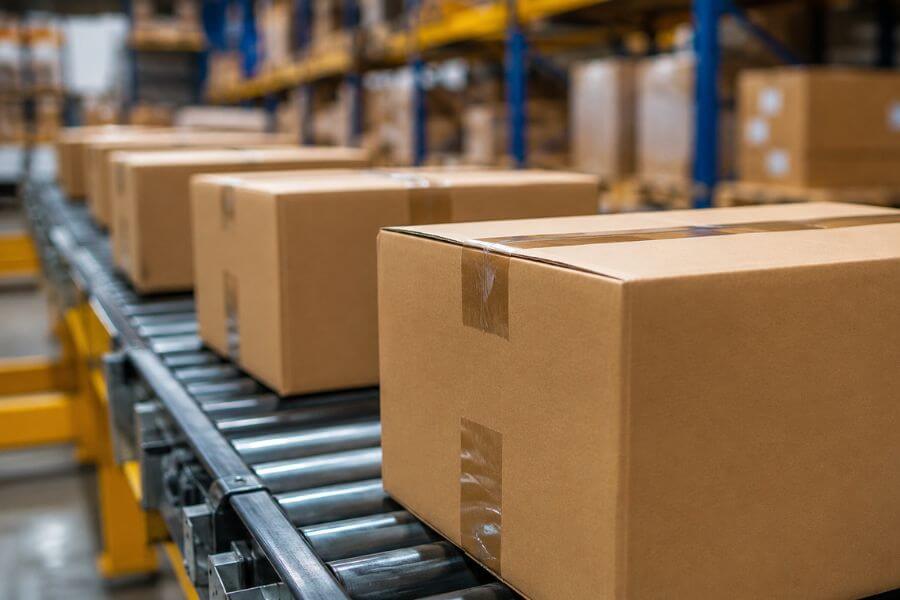
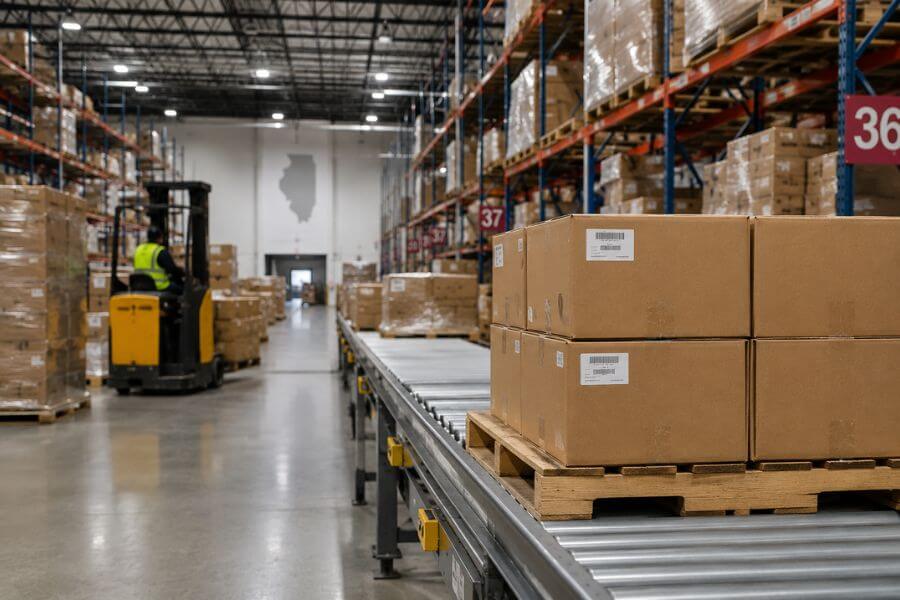
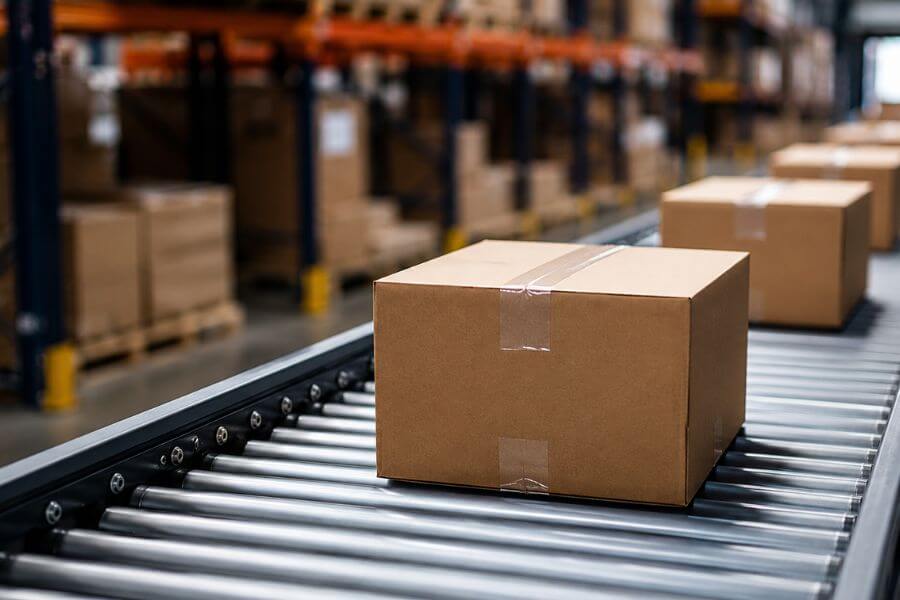
- Automated conveyor belts and sorting systems
- AI-powered WMS and real-time inventory software
This high level of automation allows MFCs to process hundreds or even thousands of orders per hour, far more than manual operations in the same amount of space.
It also reduces reliance on human labor, which is a critical advantage in cities where warehouse staffing is expensive or difficult to maintain. By reducing picking errors, improving throughput, and minimizing operational bottlenecks, automation enables micro fulfillment centers to deliver faster, cheaper, and more accurately.
8. Improved sustainability and reduced environmental impact
Sustainability is becoming a critical concern for consumers and businesses alike. With more people living in cities and ordering products online, urban areas are facing increased traffic congestion and carbon emissions from delivery vehicles.
Micro fulfillment centers help mitigate these challenges by:
- Reducing the distance traveled per delivery
- Enabling bike couriers, electric vans, or autonomous delivery robots
- Supporting package consolidation and more efficient routing
In addition, because MFCs optimize inventory placement, they also reduce waste caused by overstock or unsold goods.
Many forward-thinking ecommerce brands are incorporating eco-friendly practices into their MFC operations, such as using recycled packaging, reducing plastic use, and installing solar panels. These sustainability initiatives are not only good for the planet, but they also appeal to the growing number of eco-conscious consumers.
9. Agile expansion and market scalability
One of the most attractive features of micro fulfillment centers is their ability to scale quickly in fast-growing urban markets. Compared to large regional distribution centers, MFCs are relatively easy to deploy and require far less capital investment.
Businesses can:
- Open multiple MFCs across a city within weeks
- Experiment with new delivery models in different neighborhoods
- Test customer response in new urban zones before committing to long-term leases
This agility allows ecommerce companies to stay ahead of competitors, seize new market opportunities, and adjust fulfillment strategies in real-time.
For startups and mid-sized retailers, MFCs provide a scalable entry point into new markets without the massive overhead or risk associated with traditional warehousing. For enterprise businesses, they offer a rapid way to increase fulfillment capacity in high-demand urban zones.
10. Data-driven optimization and real-time insights
Micro fulfillment centers are digital by design. Every order, movement, and SKU is tracked, monitored, and analyzed, producing a constant stream of logistics intelligence that can be used to enhance operations.
With the right analytics tools in place, businesses can access:
- SKU-level performance by location
- Real-time inventory counts
- Order accuracy and error rates
- Staff productivity metrics
- Delivery success rates and delays
This data allows for continuous improvement in fulfillment operations. Over time, ecommerce brands can fine-tune inventory planning, optimize workflows, and improve customer experience based on actual performance metrics.
By integrating this data with ERP, CRM, and ecommerce platforms, MFCs become a central hub for intelligent decision-making, enabling better forecasting, lower costs, and smarter growth.
Conclusion
As ecommerce continues to grow, especially in urban environments, businesses that want to stay competitive must rethink their fulfillment strategies. Micro fulfillment centers offer a future-proof solution that balances speed, flexibility, efficiency, and scalability.
Whether you’re an online retailer, a grocery delivery startup, or a brick-and-mortar chain expanding online, micro fulfillment centers can help you:
- Meet rising customer expectations
- Control costs in a volatile supply chain environment
- Build a hyperlocal logistics network
- Scale efficiently into new urban markets
In 2025 and beyond, the brands that invest in micro fulfillment now will be the ones that dominate the ecommerce landscape of tomorrow.