Fast delivery is no longer a luxury. It is something your customers expect every time they click the buy button. Whether you run a growing ecommerce store or manage logistics operations, you already know that shipping speed directly affects customer satisfaction, reviews, and repeat purchases. This is where urban micro-fulfillment hubs are changing the game. These small but highly efficient fulfillment centers are placed close to major city populations, allowing you to move products faster and more efficiently.
Micro-fulfillment hubs are designed to solve the biggest problems in last-mile delivery. Instead of shipping from large warehouses located far outside cities, you store fast-moving inventory closer to your customers. This reduces transit time, lowers shipping costs, and helps you compete with major retailers that offer fast delivery. If you want to improve your logistics strategy and stay competitive, understanding how these hubs work can help you make smarter decisions.
In this guide, you will discover the top ways urban micro-fulfillment hubs reduce delivery times and why more ecommerce brands are adopting this strategy. You will also learn how these hubs improve efficiency, reduce delays, and create better customer experiences.
1. Inventory Located Closer to Customers
The biggest reason micro-fulfillment hubs reduce delivery time is simple. Your products are physically closer to your customers. When your inventory sits in a warehouse hundreds of miles away, shipping takes longer and costs more. By placing inventory inside or near major cities, you shorten the distance between your products and your buyers. This allows you to offer same-day or next-day delivery without paying premium shipping costs. When you reduce distance, you also reduce the number of handling points, which means fewer chances for delays. If you want faster delivery, the most effective step you can take is positioning inventory where demand already exists.
2. Faster Last Mile Delivery Operations
The last mile is often the slowest and most expensive part of shipping. Micro-fulfillment hubs improve this by acting as local distribution points. Instead of packages traveling across multiple states, they move only a short distance within a city. This makes it easier to use local carriers, bike couriers, and same-day delivery networks. Because deliveries happen within a smaller radius, routes become more predictable and efficient. This helps you avoid common delivery bottlenecks like traffic delays and missed delivery windows. When last-mile delivery becomes faster and more reliable, your customers receive their orders sooner, and your brand earns more trust.
3. Reduced Dependence on Long-Distance Shipping
Traditional fulfillment relies heavily on long-distance ground shipping. While this works for basic delivery needs, it slows everything down when customers expect faster service. Micro-fulfillment hubs allow you to reduce reliance on cross-country shipments by pre-positioning popular products in urban locations. This means you only ship long distance when restocking the hub rather than for every individual order. This strategy allows bulk inventory movement to happen in advance, while customer orders ship locally. This shift in logistics planning dramatically reduces delivery times because the long journey happens before the order is even placed.
4. Smart Demand Forecasting Improves Stock Availability
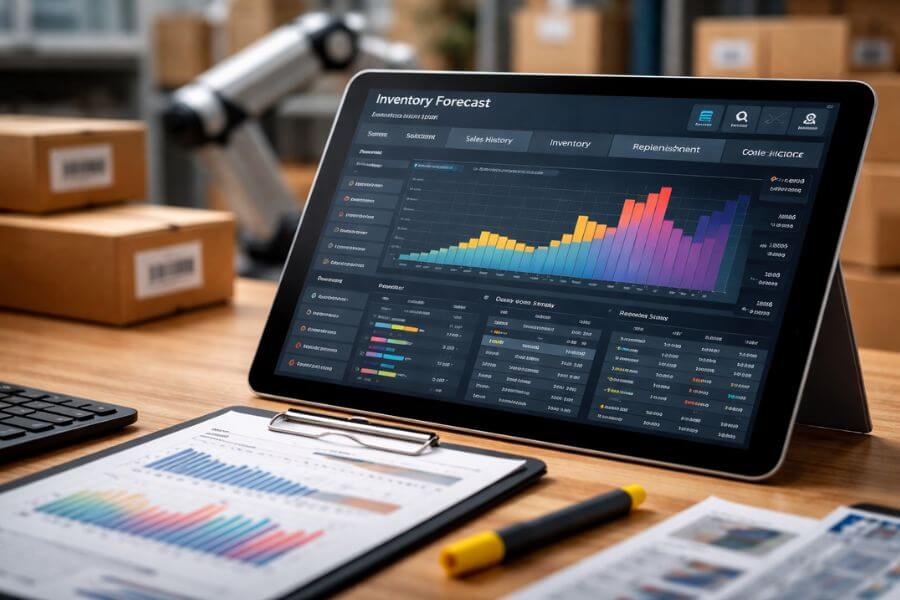
Urban micro-fulfillment works best when combined with demand forecasting. By analyzing your sales data, you can predict which products sell fastest in specific cities. This allows you to store the right products in the right locations before customers even order them. When inventory is already available locally, orders can ship immediately instead of waiting for transfers from another warehouse. This reduces backorders and prevents delays caused by stock shortages. When you combine data insights with smart inventory placement, you create a fulfillment system that responds quickly to customer demand.
5. Automation Speeds Up Order Processing
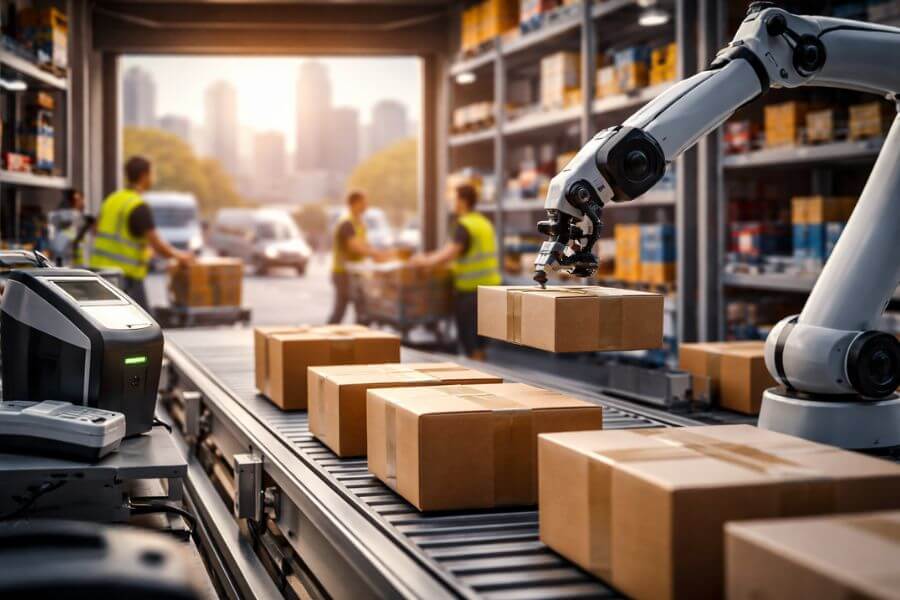
Many micro-fulfillment hubs use automation technology to process orders faster. Automated picking systems, smart shelving, and warehouse software help reduce the time it takes to locate and pack items. Instead of workers searching through large warehouses, compact micro hubs use optimized layouts designed for speed. This allows orders to be picked within minutes rather than hours. Faster picking means faster packing, and faster packing means quicker shipping. Even small improvements in processing time can significantly reduce total delivery time. When you combine automation with local fulfillment, you create a powerful speed advantage.
6. Ability to Offer Same-Day Delivery Services
Same-day delivery is becoming a major competitive advantage. Micro-fulfillment hubs make this possible without requiring massive infrastructure investments. Because inventory is stored locally, you can ship orders within hours of purchase. This gives your business the ability to compete with major marketplaces that already offer rapid delivery. Customers who know they can receive products the same day are more likely to complete purchases instead of abandoning their carts. By using micro-fulfillment hubs, you transform delivery speed into a marketing advantage that improves conversion rates.
7. Flexible Carrier Options Within Cities
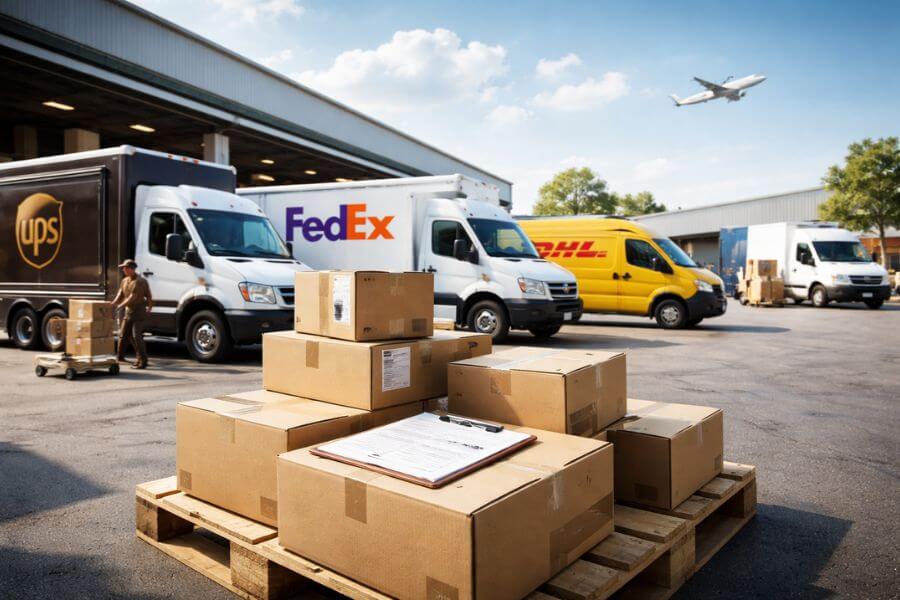
Urban fulfillment hubs allow you to work with a wider range of delivery partners. Instead of relying only on national carriers, you can also use regional carriers and specialized last-mile providers. This flexibility allows you to choose the fastest delivery option for each order. Some deliveries may benefit from courier services, while others may be better suited for local parcel networks. Having multiple options also protects you from carrier delays during peak seasons. When you diversify your delivery network, you reduce the risk of shipping slowdowns and keep delivery times consistent.
8. Reduced Sorting and Transfer Delays
Packages shipped from distant warehouses often pass through multiple sorting facilities. Each transfer introduces the risk of delays, errors, or misrouting. Micro-fulfillment hubs reduce these risks by minimizing the number of transfer points. Orders often move directly from the local hub to the delivery vehicle. This simplified process improves accuracy and reduces handling time. Fewer steps mean fewer problems. By reducing the complexity of your shipping process, you create a smoother and faster delivery experience for your customers.
9. Better Peak Season Performance
Peak seasons often create shipping delays because large fulfillment centers become overwhelmed. Micro-fulfillment hubs distribute order volume across multiple smaller locations. This spreads workload and prevents bottlenecks. When one location experiences high demand, other nearby hubs can help balance the load. This decentralized model improves resilience during busy shopping periods. Instead of relying on one large warehouse, you benefit from a network of smaller facilities working together. This helps you maintain fast delivery even during holiday rush periods when customers expect reliability the most.
10. Improved Returns Processing Speed
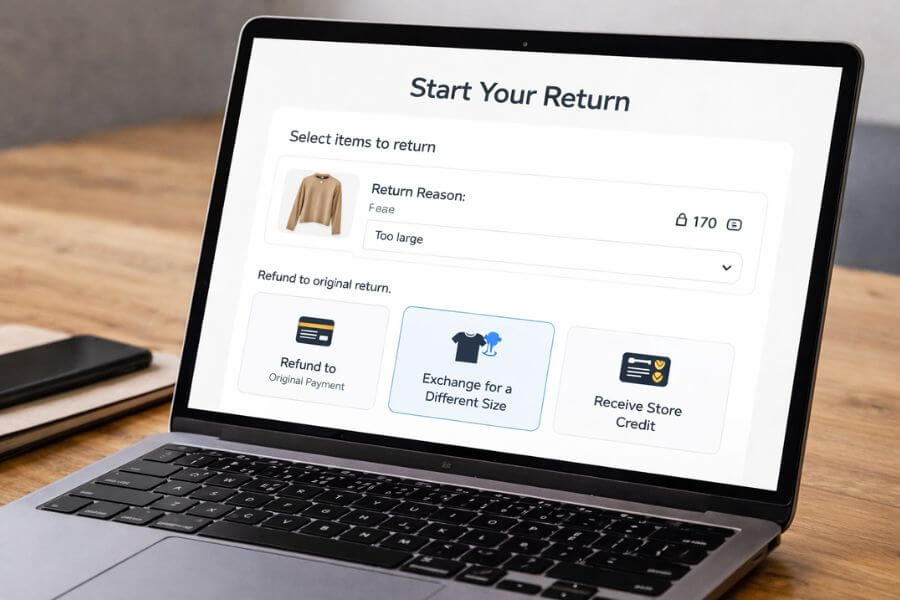
Returns are part of ecommerce, and slow return handling can affect your inventory availability. Micro-fulfillment hubs allow returned products to be processed locally and quickly returned to sellable inventory. This means returned products can be restocked faster and made available for new orders without shipping them back to distant warehouses. Faster return processing also improves customer satisfaction because refunds and exchanges can happen sooner. When returns move faster, your overall fulfillment cycle becomes more efficient, and your delivery network stays optimized.
Conclusion
Urban micro-fulfillment hubs are changing how ecommerce businesses think about delivery speed. Instead of relying only on large centralized warehouses, you can use smaller city-based facilities to move products closer to your customers. This approach reduces shipping distance, improves last-mile efficiency, and allows you to offer faster delivery options without dramatically increasing costs. When combined with smart forecasting, automation, and flexible carrier networks, micro-fulfillment hubs become a powerful tool for improving logistics performance.
If your goal is to improve delivery speed, reduce negative reviews related to shipping delays, and increase customer loyalty, micro-fulfillment hubs may be one of the most effective strategies you can adopt. As customer expectations continue to rise, businesses that invest in faster fulfillment infrastructure will have a clear advantage. By understanding how these hubs work and how they reduce delays, you can build a logistics strategy that supports both growth and customer satisfaction.
Frequently Asked Questions
What is an urban micro-fulfillment hub?
An urban micro-fulfillment hub is a small fulfillment center located inside or near a major city. It stores fast-moving inventory close to customers so orders can be delivered faster. These hubs often use automation and optimized layouts to process orders quickly and support same-day or next-day delivery services.
How do micro-fulfillment centers differ from traditional warehouses?
Traditional warehouses are usually large facilities located outside cities and designed for bulk storage. Micro-fulfillment hubs are smaller and focused on speed rather than storage volume. Their main purpose is to position popular products closer to customers so delivery times can be reduced.
Are micro-fulfillment hubs only for large ecommerce companies?
No. While large retailers use them frequently, growing ecommerce brands can also benefit from micro-fulfillment strategies. Many third-party logistics providers offer shared micro-fulfillment services, allowing smaller brands to gain speed advantages without building their own facilities.
Do micro-fulfillment hubs reduce shipping costs?
They can reduce costs by shortening delivery distances and allowing more efficient last-mile routing. While operating multiple locations may increase storage costs, many businesses find that the savings in shipping speed and customer satisfaction outweigh these expenses.
Can micro-fulfillment hubs support same-day delivery?
Yes. Because inventory is stored locally, orders can often be picked, packed, and delivered within hours. This makes same-day delivery possible without relying on expensive express shipping from distant warehouses.
How do businesses decide where to place micro-fulfillment hubs?
Businesses typically analyze order data, customer locations, and sales trends. Cities with high order volume are often the best locations. The goal is to place inventory where it can serve the highest number of customers within the shortest delivery radius.
Do micro-fulfillment hubs require automation?
Automation is not required, but it often improves efficiency. Many hubs use warehouse software, barcode scanning, and smart storage systems to speed up operations. Even simple process improvements can help reduce fulfillment times.
How do micro-fulfillment hubs help during peak seasons?
They distribute order volume across multiple locations, preventing overload at a single warehouse. This helps businesses maintain delivery speed during busy periods such as holiday shopping seasons, when shipping networks experience heavy demand.
Are micro-fulfillment hubs useful for returns management?
Yes. Returns can be processed locally and returned to available inventory faster. This reduces the time products remain unavailable and helps businesses recover value from returned items more quickly.
Will micro-fulfillment become the future of ecommerce logistics?
Many logistics experts believe micro-fulfillment will continue growing as customer expectations for fast delivery increase. While large warehouses will still play an important role, urban hubs will likely become a key part of modern fulfillment networks focused on speed and convenience.