Returns are a normal part of running an ecommerce business. No matter how good your products are, some customers will always need to send items back. The real question is how easy you make that process. If your returns process is slow or confusing, customers may never shop with you again. If it is simple and fast, you can actually build more trust and increase repeat purchases.
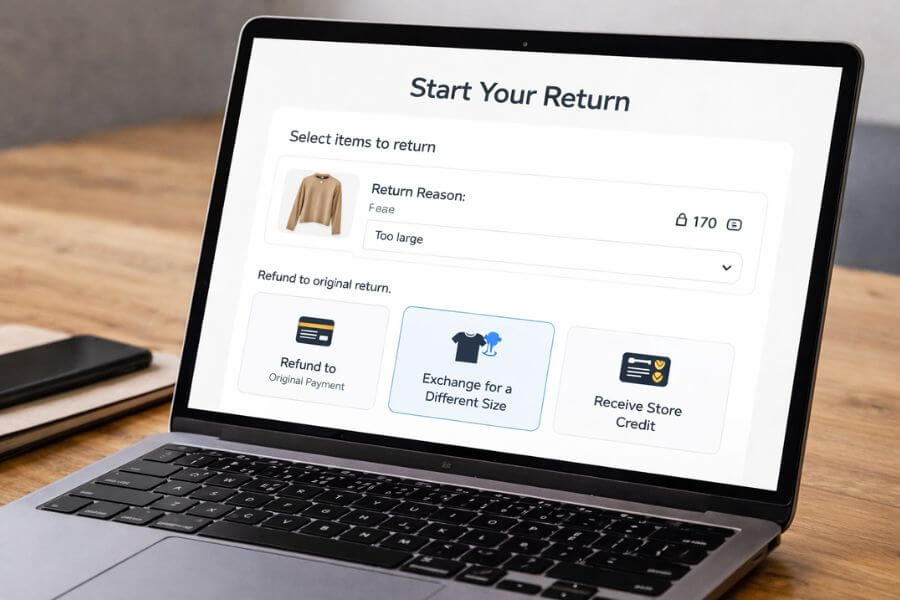
This is why self-service returns portals have become essential in 2026. Instead of emailing support and waiting for answers, your customers can start a return, print labels, choose refund options, and track progress on their own. This reduces your support workload while improving the customer experience at the same time.
If you run an ecommerce store, especially one that handles large order volumes, these tools can save you time, reduce errors, and give you better control over return costs. Below are ten of the best self-service returns portal tools you should consider if you want to modernize your returns process.
1. Loop Returns
Loop Returns is one of the most popular returns management platforms for Shopify brands. It focuses heavily on helping you turn returns into exchanges instead of refunds. This can help you recover revenue that might otherwise be lost. With its self-service portal, your customers can start a return in minutes without needing help from your support team.
You can set rules that offer store credit bonuses, encourage exchanges, or allow instant refunds depending on your policies. Loop also provides detailed analytics so you can understand why customers are returning products. If you want a solution that focuses on revenue retention while still making returns easy for customers, this tool is a strong choice.
2. Happy Returns
Happy Returns is known for its return drop-off network and smooth customer experience. Instead of forcing customers to repackage items, you can allow box-free returns at partner locations. This creates a very convenient experience that customers appreciate.
The platform also includes a self-service return portal that lets customers register their return, choose refund methods, and track their status. For ecommerce brands that want to combine physical return options with digital convenience, this solution offers a good balance. It is especially useful if you want to reduce shipping costs tied to returns.
3. ReturnGO
ReturnGO focuses on automation and flexibility. You can create detailed return rules based on product type, return reason, or customer behavior. This allows you to protect your margins while still offering fair policies.
The self-service portal is clean and simple. Customers can request exchanges, refunds, or store credit without contacting your team. You can also customize the portal with your brand colors and messaging so the experience feels consistent with your store. If you want deep automation and branding control, ReturnGO is worth exploring.
4. AfterShip Returns
AfterShip Returns is part of the AfterShip ecommerce operations ecosystem. It focuses on making returns as simple as package tracking. The platform gives customers a clean dashboard where they can start returns, print labels, and monitor progress.
For your business, the platform provides automation tools, return insights, and refund workflow management. One strong advantage is that it connects easily with many ecommerce platforms and shipping carriers. If you already use shipment tracking tools, this solution can fit naturally into your existing workflow.
5. Returnly
Returnly focuses on improving the customer experience while helping you recover revenue. One of its main features is instant refunds, which allow customers to receive store credit before the returned item even arrives. This can encourage faster exchanges and improve satisfaction.
The self-service return flow is designed to be fast and mobile-friendly. Customers answer a few questions, select their resolution, and complete the process quickly. For ecommerce stores that want to reduce refund friction and increase customer loyalty, Returnly provides a strong feature set.
6. Narvar Returns and Exchanges
Narvar is known for post-purchase customer experience solutions, and its returns platform continues that focus. It allows you to create a branded returns portal that feels like part of your website instead of a third-party system.
You can offer multiple return options, including exchanges, refunds, and store credit. The platform also provides communication tools so customers receive updates during the return process. This helps reduce customer anxiety and support questions. If customer experience is your top priority, Narvar is a strong enterprise-level option.
7. ZigZag Global
ZigZag Global is designed for brands that sell internationally. Managing global returns can be complex due to shipping costs, customs issues, and local regulations. This platform helps you manage those challenges through localized return hubs and smart routing.
The self-service portal allows international customers to start returns in their own region, often reducing costs and transit times. If your ecommerce store ships globally and you want a better way to handle international returns, ZigZag Global can help simplify that process.
8. Rich Returns
Rich Returns focuses on automation and customer communication. Its self-service portal allows customers to choose return reasons, upload images if needed, and select their preferred outcome. This can help you prevent fraud and better understand product issues.
You can also automate approvals and route returns based on your business rules. For example, you might approve low-value returns automatically while reviewing higher-value ones. This helps you save time while maintaining control. If automation is your priority, this tool offers strong capabilities.
9. Return Prime
Return Prime is designed for growing ecommerce brands that want strong functionality without complex setup. The portal allows customers to request returns, exchanges, and refunds through a simple interface.
It also offers WhatsApp and email notifications, which can help keep customers informed throughout the process. For businesses that want an affordable and easy-to-deploy solution, this platform provides good value. It is particularly attractive for mid-sized ecommerce stores looking to improve their return workflows.
10. ClickPost Returns Plus
ClickPost Returns Plus focuses on logistics intelligence and automation. The platform allows you to manage reverse logistics with detailed tracking and carrier integrations. Customers can initiate returns through a self-service interface while you maintain visibility over the process.
This tool is especially useful for businesses with complex shipping operations or multiple fulfillment partners. If you want better control over reverse logistics while still providing a smooth customer experience, ClickPost Returns Plus is worth considering.
Conclusion
Self-service returns portals are no longer optional for ecommerce businesses. Customers expect fast and simple returns just like they expect fast shipping. When you provide a smooth return experience, you build trust and increase the chance that customers will buy from you again.
The right returns platform can also reduce support tickets, improve operational efficiency, and give you insights into why products come back. Whether you are a growing brand or a large ecommerce operation, investing in a modern returns portal can improve both your customer experience and your bottom line. By choosing one of these tools, you can turn returns from a cost center into an opportunity to improve loyalty and retention.
Frequently Asked Questions
What is a self-service returns portal?
A self-service returns portal is a tool that allows customers to request returns without contacting customer support. Customers can submit requests, choose refund or exchange options, print labels, and track return status through an online interface. This helps businesses reduce manual work and improve customer satisfaction.
Why are returns portals important for ecommerce stores?
Returns portals improve efficiency and customer experience. Instead of managing returns through emails, you can automate approvals and workflows. Customers also prefer quick and simple processes. A good return experience can increase trust and encourage customers to shop again in the future.
Do returns portals help reduce customer support workload?
Yes. Self-service portals reduce the number of support tickets related to returns. Customers can find answers and complete requests on their own. This allows your support team to focus on more complex customer needs instead of routine return questions.
Can returns software help reduce refund losses?
Many returns platforms include features that encourage exchanges or store credit instead of refunds. Some tools also allow instant exchanges. These features help you recover revenue and reduce the financial impact of returns while still keeping customers happy.
Are self-service return portals difficult to set up?
Most modern platforms are designed for easy integration with ecommerce platforms like Shopify and other systems. Many offer simple dashboards and guided setup steps. Depending on your needs, you can often launch a returns portal within a few days.
Can I customize the returns portal with my brand?
Yes. Most returns tools allow you to customize colors, logos, and messaging. This ensures the returns experience feels like part of your store. Branding consistency helps maintain trust and creates a more professional experience for customers.
How do returns portals help with data and insights?
Returns platforms collect data such as return reasons, product issues, and refund trends. This information helps you improve product descriptions, sizing guides, and quality control. Over time, this can help you reduce return rates and improve profitability.
Do these tools support international returns?
Some platforms specialize in international returns and provide regional return centers. This can lower shipping costs and speed up processing. If you sell globally, choosing a platform with strong international support is very important.
Can small ecommerce businesses benefit from returns portals?
Yes. Even small stores benefit from automation. Returns software helps you look more professional while saving time. Many tools offer pricing plans designed for smaller businesses, so you can start without high upfront costs.
What should I look for when choosing a returns portal?
You should consider ease of use, automation features, integrations, reporting tools, and cost. You should also think about your return volume and whether you need international support. The best platform is one that fits your operations and improves your customer experience.