
If you run an ecommerce business, returns are part of the game. But when your return rate starts climbing too high, it can quietly destroy your profits, slow down your operations, and hurt customer trust. Every return costs money through shipping, labor, damaged inventory, and customer support time. Even worse, frequent returns may signal deeper problems with your product listings, fulfillment process, or customer expectations. The good news is that most return problems can be fixed once you understand the real causes. Instead of just accepting returns as normal, you can take steps to reduce them while improving customer satisfaction. In this guide, you will learn the ten most common reasons ecommerce businesses struggle with high return rates and practical ways you can fix each problem before it gets worse.
1. Your Product Descriptions Are Not Clear Enough
One of the biggest causes of returns is confusion. When customers receive something different from what they expected, they often send it back. This usually happens when product descriptions are too short, too vague, or missing important details. If you do not clearly explain size, materials, features, compatibility, or limitations, customers will fill in the gaps with their own expectations. To fix this, you should write detailed product descriptions that answer common buyer questions before they ask. Include exact measurements, use cases, and even what the product is not designed for. Simple language works best because customers scan pages quickly. When your product pages remove uncertainty, customers buy with confidence and return less often.
2. Your Product Images Do Not Match Reality
Customers rely heavily on images when shopping online. If your photos make products look different from what customers receive, returns will increase quickly. This often happens when the lighting is too bright, colors are edited too much, or important angles are missing. You should use realistic photos that show the product from multiple views. Include close-ups, scale references, and lifestyle images showing real use. It also helps to show packaging so customers know exactly what arrives. Avoid over-editing because accuracy builds trust. When customers see exactly what they will receive, they are less likely to feel disappointed when the package arrives.
3. Poor Quality Control Before Shipping
If customers receive damaged, defective, or incorrect items, returns become unavoidable. Many businesses focus heavily on speed but forget accuracy. A rushed fulfillment process without proper checks leads to wrong items, missing parts, or damaged products. You can reduce this by adding quality control checkpoints before orders leave your warehouse. Simple barcode scanning, visual inspections, and packing verification steps can dramatically reduce mistakes. Training your fulfillment staff also makes a big difference. Accuracy should always matter as much as speed. When customers receive the correct product in good condition the first time, your return rate naturally drops.
4. Inaccurate Sizing Information
Size-related returns are extremely common, especially for apparel, shoes, and accessories. Customers cannot try items online, so they depend on your sizing information. If your sizing charts are confusing or incomplete, customers will guess. That guess often leads to a return. You should provide detailed sizing charts with measurements instead of just small, medium, and large. Adding fit notes, such as slim fit or relaxed fit, also helps. Customer reviews mentioning fit can also reduce uncertainty. Some brands even show models with their height and size. The more sizing clarity you provide, the fewer returns you will process.
5. Shipping Takes Longer Than Expected
Customers today expect fast delivery. When shipping takes longer than expected, some customers cancel mentally before the order even arrives. Late deliveries often lead to returns because the product is no longer needed or excitement has faded. To fix this, you should set realistic delivery expectations instead of optimistic ones. Under promise and over-deliver whenever possible. Providing tracking updates also helps customers stay patient. Working with reliable fulfillment partners and carriers improves consistency. Fast shipping is great, but predictable shipping is even more important for reducing unnecessary returns.
6. Weak Packaging That Causes Damage
Even perfect products get returned if they arrive damaged. Poor packaging leads to broken items, scratched surfaces, or crushed boxes. This is especially common when businesses try to cut costs on packaging materials. You should test your packaging for durability, especially for fragile items. Use proper cushioning, right-sized boxes, and protective wrapping. Packaging should protect products through normal shipping conditions. It also helps to design packaging that prevents movement inside the box. Strong packaging protects both your products and your reputation. Fewer damaged deliveries mean fewer automatic returns.
7. Customers Had Different Expectations
Sometimes customers return products not because they are defective but because they expected something different. This often happens when marketing promises too much. If your ads make products sound life-changing but reality feels average, customers may feel disappointed. The best solution is honest marketing. Focus on real benefits instead of exaggerated claims. Clear messaging builds the right expectations. You can also add frequently asked questions on product pages to clarify use cases. When your marketing matches reality, customers feel satisfied instead of misled.
8. Complicated Product Setup or Usage
If customers cannot easily use your product, many will return it instead of asking for help. This is common with electronics, tools, and products that require assembly. Confusion often leads to frustration. You can reduce this by providing clear instructions inside the package and online. Simple guides with pictures work better than long text. Short setup videos can also help customers succeed quickly. Some businesses even add QR codes linking to tutorials. When customers understand how to use what they bought, they are much more likely to keep it.
9. Wrong Target Audience
If the wrong customers buy your product, returns will increase, no matter how good your product is. This usually happens when marketing targets too broad of an audience. For example, promoting a premium product to bargain hunters often leads to dissatisfaction. You should review who your ideal customers are and adjust your messaging to match them. Clear positioning helps attract the right buyers. This may include adjusting ad copy, pricing signals, or product descriptions. When the right customers buy your products, satisfaction increases, and returns decrease.
10. Your Return Policy Encourages Excess Returns
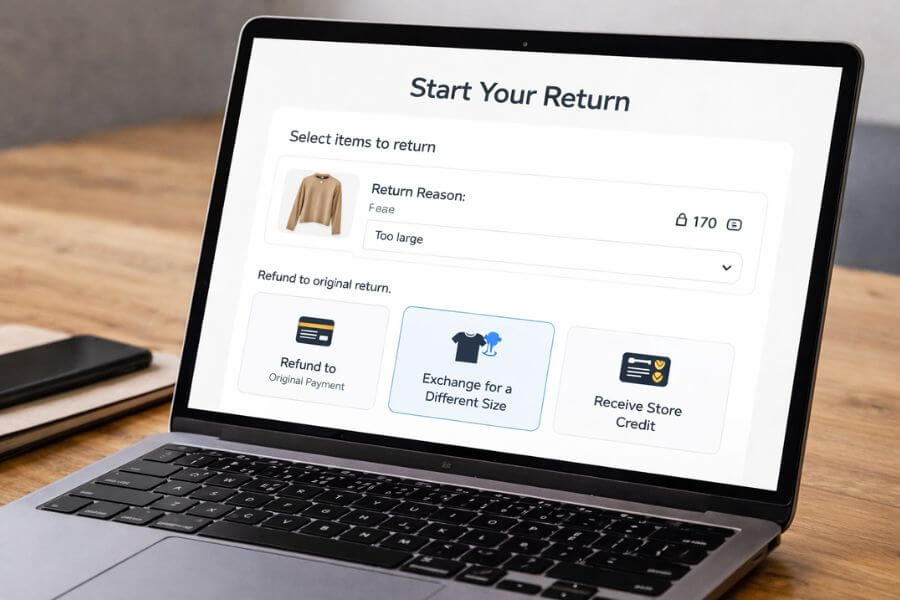
A good return policy builds trust, but a poorly designed one can increase unnecessary returns. Extremely long return windows or overly flexible policies sometimes encourage customers to buy without commitment. You should balance customer friendliness with smart limits. Clear conditions, such as unused items, original packaging, or reasonable time frames, help reduce abuse. You can also encourage exchanges instead of refunds when possible. Some brands offer store credit incentives to keep revenue. A smart return policy protects both your customers and your business.
Conclusion
A high return rate is not just a cost problem. It is feedback about your business. Returns often reveal gaps in product information, fulfillment quality, customer expectations, or logistics performance. Instead of treating returns as unavoidable, you can treat them as signals for improvement. Small improvements in product pages, packaging, quality control, and customer education can significantly reduce return rates over time. The goal is not to eliminate returns completely because that is unrealistic. The real goal is to reduce preventable returns while improving the customer experience. When customers receive exactly what they expect, in good condition, and on time, they keep what they buy. That is when your ecommerce operation becomes more profitable, efficient, and trusted.
Frequently Asked Questions
What is considered a high ecommerce return rate?
Return rates vary by industry. Apparel businesses may see return rates between 20 and 40 percent, while electronics may see much lower rates. Many ecommerce businesses aim to stay under 10 percent if possible. The key is comparing your rate to your product category and improving it over time rather than chasing a perfect number.
How do I calculate my return rate?
You can calculate your return rate by dividing the number of returned orders by the total orders within a certain period. Multiply that number by 100 to get a percentage. Tracking this monthly helps you see trends and measure whether your improvements are working.
Do free returns increase return rates?
Free returns can increase customer trust and conversion rates, but they can also increase return volume if not managed carefully. Many businesses still offer free returns because the increase in sales outweighs the extra returns. The key is improving product accuracy so fewer customers feel the need to return items.
How can better fulfillment reduce returns?
Better fulfillment reduces returns by improving order accuracy, reducing damage, and ensuring faster delivery. Processes such as barcode scanning, packing verification, and proper packaging can prevent many common return causes. A strong fulfillment process protects both customer experience and profitability.
Should I remove customer returns completely?
Removing returns completely can damage trust and reduce conversions. Customers often expect some level of return protection before making a purchase. Instead of removing returns, focus on reducing preventable ones by improving product information, quality checks, and customer education.
Do customer reviews help reduce returns?
Yes, customer reviews often answer questions future buyers have. Reviews that mention sizing, quality, or real use cases help new buyers make better decisions. This reduces uncertainty and prevents purchases based on wrong assumptions, which lowers return rates.
Can better packaging really lower return rates?
Yes, strong packaging prevents shipping damage, which is one of the easiest return causes to fix. Even small packaging improvements, such as better cushioning or stronger boxes, can reduce damage-related returns and improve customer satisfaction.
How important is shipping speed for reducing returns?
Shipping speed matters, but reliability matters even more. Customers are more satisfied when delivery matches expectations. Clear delivery timelines and consistent performance often reduce returns caused by late arrivals or missed expectations.
Should I track return reasons?
Yes, tracking return reasons is one of the most valuable improvements you can make. Categorizing returns by reason helps you identify patterns. For example, frequent size returns may point to poor sizing charts. Data helps you fix the real problems.
What is the fastest way to reduce returns?
The fastest improvement usually comes from improving product pages. Better descriptions, clearer images, and realistic expectations can quickly reduce confusion-based returns. Many businesses see improvements within a few months after upgrading their product information.