
Shipping can make or break your customer experience. You may have great products, strong marketing, and competitive prices, but if your shipping fails, customers often remember that more than anything else. Many negative reviews in ecommerce are not about the product itself. They are about late deliveries, damaged packages, poor communication, or unexpected costs. The good news is that most shipping mistakes are preventable once you know what to watch for.
If you run an ecommerce business, you need to think about shipping as part of your brand experience. Every package you send represents your company. When shipping goes wrong, customers lose trust quickly. When it goes right, customers rarely talk about it. That is why avoiding mistakes is so important. In this guide, you will learn the top shipping mistakes that often lead to negative reviews and how you can prevent them before they damage your reputation.
1. Shipping Orders Late Without Notifying Customers
One of the fastest ways to get a negative review is shipping an order later than promised. Customers plan around delivery dates, especially if they are buying gifts or time-sensitive items. When you ship late without telling them, they feel ignored and frustrated. Even a small delay can create anger if there is no communication. Customers usually understand delays if you explain them early. They become upset when they feel left in the dark.
You can avoid this mistake by setting realistic processing times instead of overly optimistic ones. Always build a small buffer into your shipping timeline. If delays happen, send updates quickly. Automated email notifications can help manage expectations. Transparency builds trust. Silence destroys it. If customers know what is happening, they are much more likely to stay patient and avoid leaving negative feedback.
2. Using Poor Packaging That Causes Damage
Damaged products are one of the most common causes of refund requests and negative reviews. When customers open a box and see broken or scratched items, they often blame the seller even if the carrier caused the damage. Customers believe it is your responsibility to protect the product properly. Weak boxes, insufficient padding, and poor sealing can all lead to problems during transit.
You can reduce damage by investing in stronger packaging materials. Use the correct box size, protective fillers, and secure sealing methods. Fragile items should always have extra cushioning. Testing your packaging is also important. Try drop tests or pressure tests to see how your packaging performs. Spending slightly more on packaging often costs less than handling returns, refunds, and reputation damage.
3. Charging Unexpected Shipping Fees
Customers hate surprises at checkout, especially when it comes to shipping costs. If someone sees a low product price but then finds high shipping fees later, they often feel tricked. This creates distrust and sometimes leads to negative reviews, even if they complete the purchase. Customers want transparency from the start. Hidden costs damage credibility.
You can avoid this by clearly displaying shipping costs early in the buying process. Some businesses include shipping in product pricing to simplify the experience. Others show estimated shipping costs on product pages. Whatever method you choose, honesty is key. When customers know exactly what they will pay, they are much less likely to complain later.
4. Providing No Tracking Information
Customers expect tracking today. When they do not receive it, they often worry their order was forgotten. This leads to support emails, complaints, and poor reviews. Tracking gives customers peace of mind. It shows that the order is moving and helps them plan for delivery. Without tracking, customers may assume the worst.
You should always provide tracking numbers as soon as orders ship. Automated systems can send tracking emails instantly. You can also allow customers to view tracking inside their account dashboard. Even basic tracking improves confidence. It also reduces customer service workload because fewer people ask where their package is.
5. Choosing Slow Shipping Without Setting Expectations
Using economy shipping is not a problem if customers understand the timeline. Problems happen when customers expect fast delivery but receive slow service. Many negative reviews come from expectation gaps rather than actual shipping speed. If someone expects three days but receives their order in ten days, they feel disappointed even if ten days was your official policy.
You can solve this by clearly stating delivery windows on product pages and checkout pages. If you offer multiple shipping options, explain the difference clearly. Customers appreciate having choices. Some want fast delivery while others prefer lower costs. Clear communication allows customers to choose what matters most to them.
6. Shipping the Wrong Items
Picking and packing mistakes can quickly damage your reputation. Sending the wrong color, size, or product creates inconvenience for customers. They must contact support, arrange returns, and wait again. Even if you fix the issue, the extra effort often leads to negative reviews. Accuracy is just as important as speed.
You can reduce errors by improving warehouse processes. Barcode scanning, order verification steps, and quality checks help prevent mistakes. Many businesses use fulfillment software to reduce human error. Training your packing team properly also helps. A simple double-check process can dramatically lower error rates and protect your brand reputation.
7. Ignoring Shipping Delays Caused by Carriers
Sometimes delays are outside your control. Weather, customs, and carrier problems happen. However, customers still expect updates from you, not the carrier. If you ignore delays, customers assume you do not care. Even if the problem is not your fault, the lack of communication becomes your responsibility.
You can prevent frustration by monitoring shipments and sending proactive updates when delays appear. Some logistics platforms provide delay alerts. Even a simple email explaining the situation can make a difference. Customers appreciate honesty. They usually become upset only when they feel abandoned.
8. Making Returns Difficult After Shipping Problems
Shipping mistakes sometimes happen even with strong processes. What matters most is how you handle them. If customers struggle to get refunds or replacements, they often become vocal critics. A difficult return process makes customers feel trapped. This often results in public complaints.
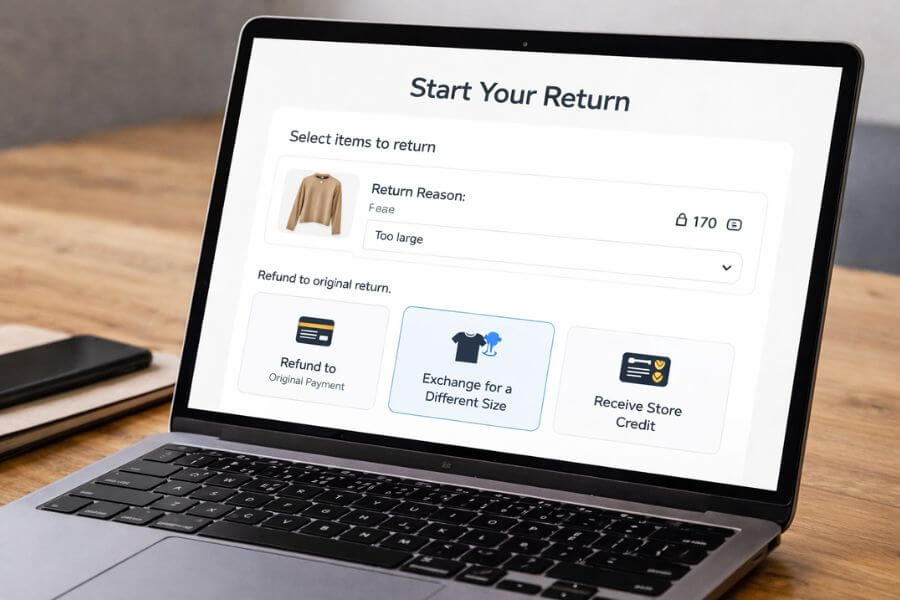
You can protect your reputation by making returns simple and fair. Clear return instructions, prepaid labels, and fast responses help maintain trust. When customers see that you stand behind your shipping quality, they often forgive mistakes. A smooth recovery experience can sometimes even turn a negative situation into a positive review.
9. Poor International Shipping Planning
International shipping creates extra risks such as customs delays, duties, and documentation errors. Customers often become upset when they must pay unexpected taxes or when packages get delayed at customs. If you do not explain international shipping rules clearly, customers may blame you for problems they did not expect.
You can reduce these issues by clearly explaining international delivery timelines and possible fees. Some companies use Delivered Duty Paid shipping to avoid surprise charges. Others provide duty calculators. Even simple FAQ explanations help. The more information you provide, the fewer complaints you will receive.
10. Not Asking for Delivery Feedback
Many businesses only hear from unhappy customers because satisfied customers stay quiet. If you do not actively collect feedback, small problems can grow unnoticed. By the time you notice patterns, your review ratings may already suffer. Feedback helps you fix issues before they become serious.
You can improve this by sending post-delivery surveys. Ask simple questions about delivery speed, packaging, and communication. This helps you identify weaknesses early. It also shows customers that you care about improvement. When customers feel heard, they often become more loyal, even if small problems occur.
Conclusion
Shipping is more than moving products from one place to another. It is a major part of your customer experience. Many negative reviews come from preventable mistakes such as poor communication, weak packaging, slow updates, or unclear expectations. When you improve your shipping process, you improve your brand trust. Focus on accuracy, transparency, and communication. These three areas prevent most shipping complaints. When you treat shipping as a core part of your customer experience instead of just an operational task, you create stronger customer relationships and better long-term growth.
Frequently Asked Questions
Why does shipping quality affect customer reviews so much?
Shipping is the final step of the buying experience. It is the moment customers physically experience your brand. Even if your product is great, a bad delivery experience can ruin the overall impression. Customers often remember delivery problems more than product quality because it affects convenience and trust.
How can you reduce shipping complaints quickly?
You can reduce complaints by improving communication first. Send tracking updates, delay notifications, and clear delivery timelines. Many complaints come from uncertainty rather than actual problems. When customers know what is happening, they are much more patient and understanding.
Is fast shipping always necessary?
Fast shipping is helpful but not always required. What matters more is setting the correct expectation. Customers accept slower shipping if they know the timeline in advance. Unexpected delays cause more frustration than slow delivery that was clearly explained before purchase.
How important is packaging for customer satisfaction?
Packaging is extremely important because it protects the product and represents your brand quality. Strong packaging reduces damage and creates a better unboxing experience. Customers often associate packaging quality with overall business professionalism and reliability.
Should small ecommerce businesses offer free shipping?
Free shipping can improve conversions, but it must be financially sustainable. Many small businesses include shipping costs in product prices instead. The key factor is transparency. Customers care more about clear pricing than whether shipping is technically free.
What is the biggest shipping mistake new sellers make?
Many new sellers underestimate processing time and promise unrealistic delivery speeds. This creates disappointment when delays happen. It is better to promise slightly longer timelines and deliver faster than expected rather than the opposite.
How does tracking reduce negative reviews?
Tracking reduces anxiety. When customers can see their package moving, they feel reassured. This reduces support requests and improves trust. Even basic tracking visibility can significantly improve customer satisfaction.
How should you handle a shipping mistake?
You should respond quickly, apologize clearly, and provide a simple solution such as a replacement or a refund. Speed matters more than perfection. Customers usually forgive mistakes if they see fast and fair problem resolution.
Can using a fulfillment partner improve shipping reviews?
Yes, professional fulfillment providers often have better systems for accuracy, packaging, and carrier management. This can reduce errors and improve delivery performance. However, you should still monitor performance to ensure quality remains consistent.
How often should you review your shipping process?
You should review shipping performance regularly, ideally monthly. Look at delivery times, damage rates, and customer feedback. Continuous improvement helps you stay competitive and prevent small issues from becoming large reputation problems.